
Walter Gilbert — molecular biologist, DNA sequencing pioneer, Nobel laureate
American molecular biologist and biochemist who helped create DNA sequencing methods and shared the 1980 Nobel Prize in Chemistry for advances in determining nucleic acid sequences.
Overview
Walter Gilbert (born March 21, 1932) is an American scientist whose work bridged physics, chemistry and molecular biology. Trained initially in the physical sciences, Gilbert moved into biochemical and genetic research and became a leading figure in methods for reading nucleic acid sequences. His contributions helped establish modern DNA sequencing and analysis as practical laboratory disciplines.
Image gallery
4 Images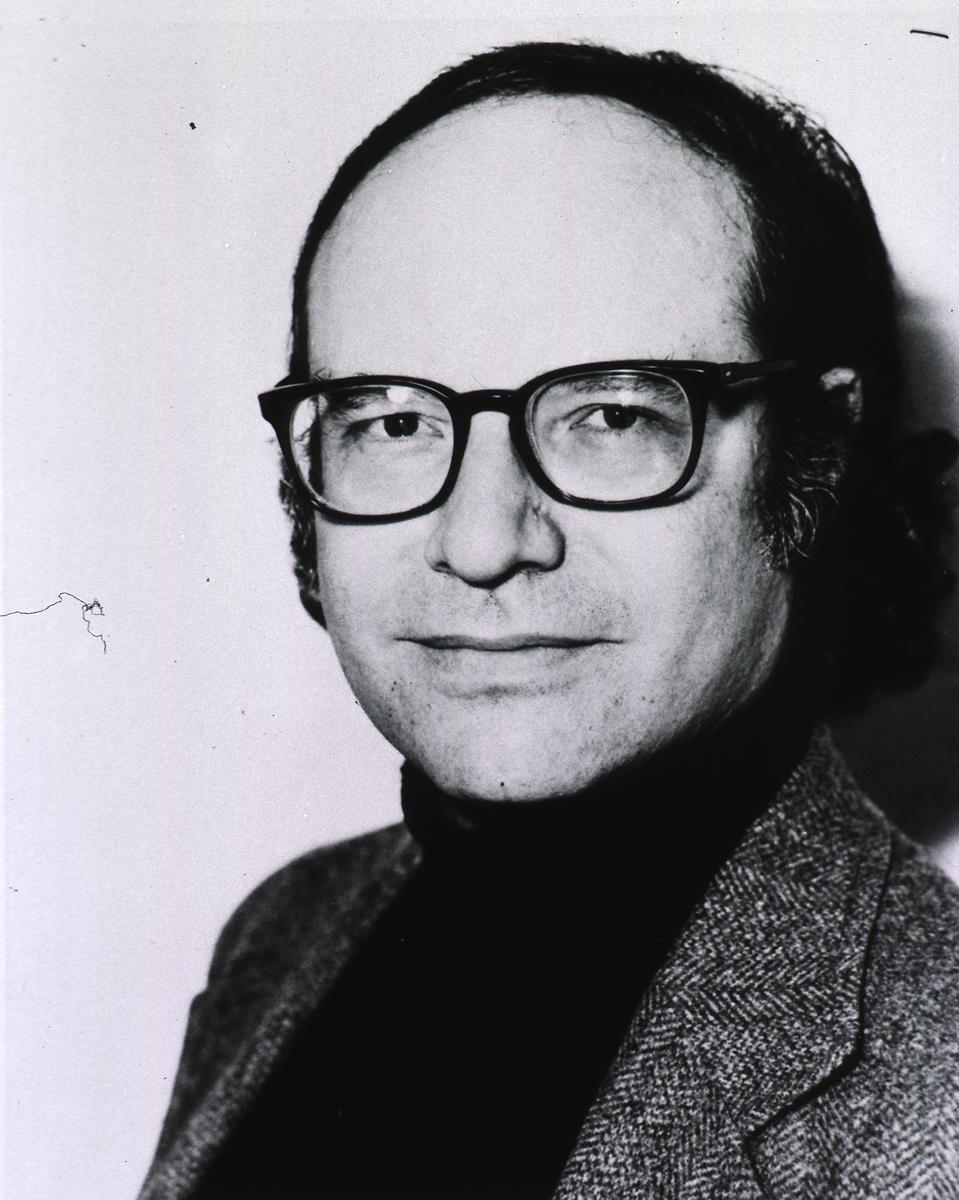


Key contributions and methods
In the 1970s Gilbert collaborated on a chemical cleavage approach to determine DNA base order, commonly known as the Maxam–Gilbert sequencing method. That work and related innovations in automated analysis are often cited as foundational to modern DNA sequencing. For these and other advances he shared the 1980 Nobel Prize in Chemistry with Frederick Sanger and Paul Berg.
Fields and roles
Gilbert is widely described as a physicist, a biochemist and a molecular biology pioneer. He served in academia as a researcher and teacher and also engaged with industry, helping to translate laboratory methods into practical tools for biological research and biotechnology.
Importance and legacy
Gilbert's work made it possible to read genetic information more directly, accelerating basic studies of genes and enabling large-scale projects in genomics. His efforts helped shift sequencing from an artisanal activity into an industrially scalable technology, influencing diagnostics, molecular medicine and evolutionary studies.
Notable facts
- Shared the 1980 Nobel Prize in Chemistry for methods of determining nucleic acid sequences (sequence analysis).
- Co-developed a widely cited chemical sequencing protocol with Allan Maxam in the 1970s.
- Known for bridging disciplines and encouraging the translation of molecular techniques into broader applications.
For further reading on Gilbert's life and scientific impact, consult specialized biographies and historical reviews of DNA sequencing and molecular biology research (physicist, biochemist, molecular biology resources).
Questions and answers
Q: Who is Walter Gilbert?
A: Walter Gilbert is an American physicist, biochemist, molecular biology pioneer, and Nobel laureate.
Q: What is Walter Gilbert known for?
A: Walter Gilbert is known for helping to develop DNA sequence analysis.
Q: When was Walter Gilbert born?
A: Walter Gilbert was born on March 21, 1932.
Q: What is Walter Gilbert's profession?
A: Walter Gilbert's profession is as a physicist, biochemist, and molecular biology pioneer.
Q: Did Walter Gilbert win a Nobel prize?
A: Yes, Walter Gilbert is a Nobel laureate.
Q: What did Walter Gilbert contribute to the field of molecular biology?
A: Walter Gilbert helped develop DNA sequence analysis, which is a significant contribution to the field of molecular biology.
Q: Is Walter Gilbert still active in his profession?
A: It is not mentioned whether Walter Gilbert is still active in his profession.
Author
AlegsaOnline.com Walter Gilbert — molecular biologist, DNA sequencing pioneer, Nobel laureate Leandro Alegsa
URL: https://en.alegsaonline.com/art/132721