
Vladimír Mečiar — Slovak politician and three‑time prime minister
Slovak political leader born 1942; prime minister in the 1990s, founder and leader of the Movement for a Democratic Slovakia (ĽS-HZDS). A central and controversial figure in Slovakia’s transition from communism.
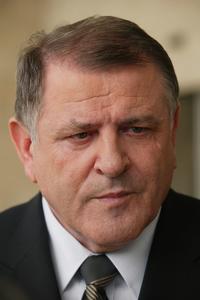
Vladimír Mečiar (born 26 July 1942) is a Slovak politician who played a leading role in Slovakia’s post‑communist transition. He served three times as prime minister of Slovakia in the 1990s and was long the leader of the People's Party — Movement for a Democratic Slovakia (ĽS‑HZDS). Mečiar is a polarizing figure: credited by supporters for asserting Slovak interests during statehood formation and criticised by opponents for centralising power and undermining democratic norms.
Image gallery
2 Images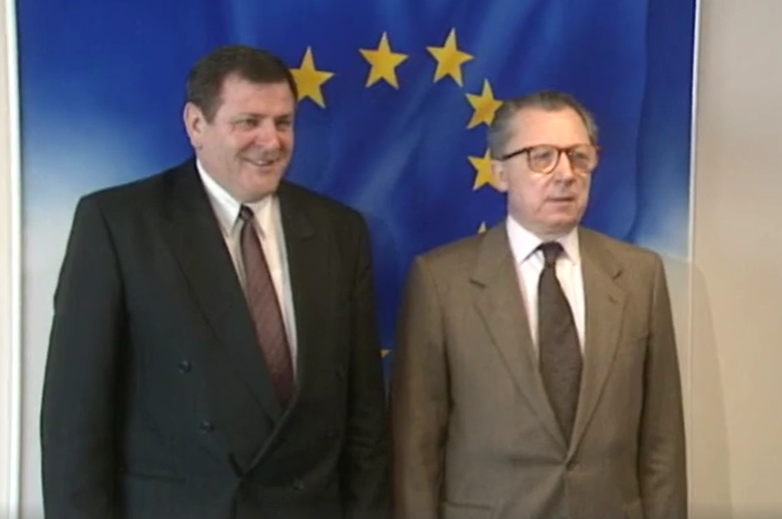
Overview
Mečiar emerged as a prominent political actor after the fall of communism in 1989. As head of a dominant personalist party, he guided Slovakia through a period of institutional change, negotiation of state competencies, and the establishment of Slovakia as a separate state. His leadership combined nationalist rhetoric, pragmatic coalition building and an assertive executive style that shaped the country’s early politics.
Political career and roles
He held the office of prime minister in three separate terms: shortly after the return to democratic politics, and twice more in the early and mid‑1990s. As party leader he mobilised support across rural and conservative constituencies and used centralized party structures to maintain influence. His government participated in negotiations over the peaceful dissolution of Czechoslovakia and in building Slovakia’s domestic institutions.
Policies, style and controversies
- Policies: Mečiar’s programmes mixed economic transition measures with protective rhetoric for Slovak industry and social groups; he emphasised national sovereignty and gradual reform.
- Leadership style: Analysts describe his approach as personalistic and populist, relying on strong party discipline and direct appeals to voters.
- Controversies: His tenure prompted repeated criticism from domestic opposition, civil society and international observers who raised concerns about concentration of power, transparency and rule‑of‑law standards. Allegations of corruption and misuse of state institutions led to political isolation after 1998 and remain part of debates about his legacy.
Legacy and assessment
Mečiar’s impact is contested. Supporters argue he defended Slovak interests during a delicate state‑building phase; critics contend his methods set back democratic consolidation. Political scientists sometimes use the term "Mečiarism" to refer to the mix of national populism, centralised party control and informal governance associated with his era. For further context on his biography and career, see a concise profile: biographical overview, and a general introduction to the country he led: Slovakia.
Author
AlegsaOnline.com Vladimír Mečiar — Slovak politician and three‑time prime minister Leandro Alegsa
URL: https://en.alegsaonline.com/art/132654