
Viswanathan Anand — Indian grandmaster and former World Chess Champion
Concise encyclopedia entry on Viswanathan Anand: biography, career highlights, playing style, major titles and legacy, with references and further reading.
Overview
Viswanathan Anand (born 11 December 1969), often called "Vishy," is an Indian chess grandmaster and one of the most influential figures in modern chess. He was the first Indian to hold the official World Chess Championship title and is celebrated for his speed of play, deep opening preparation and adaptability across formats. Anand won world championship titles under different formats and remained among the world elite for decades, helping to popularize chess in India and beyond.
Image gallery
7 Images
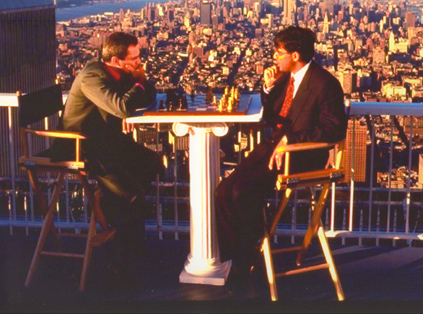


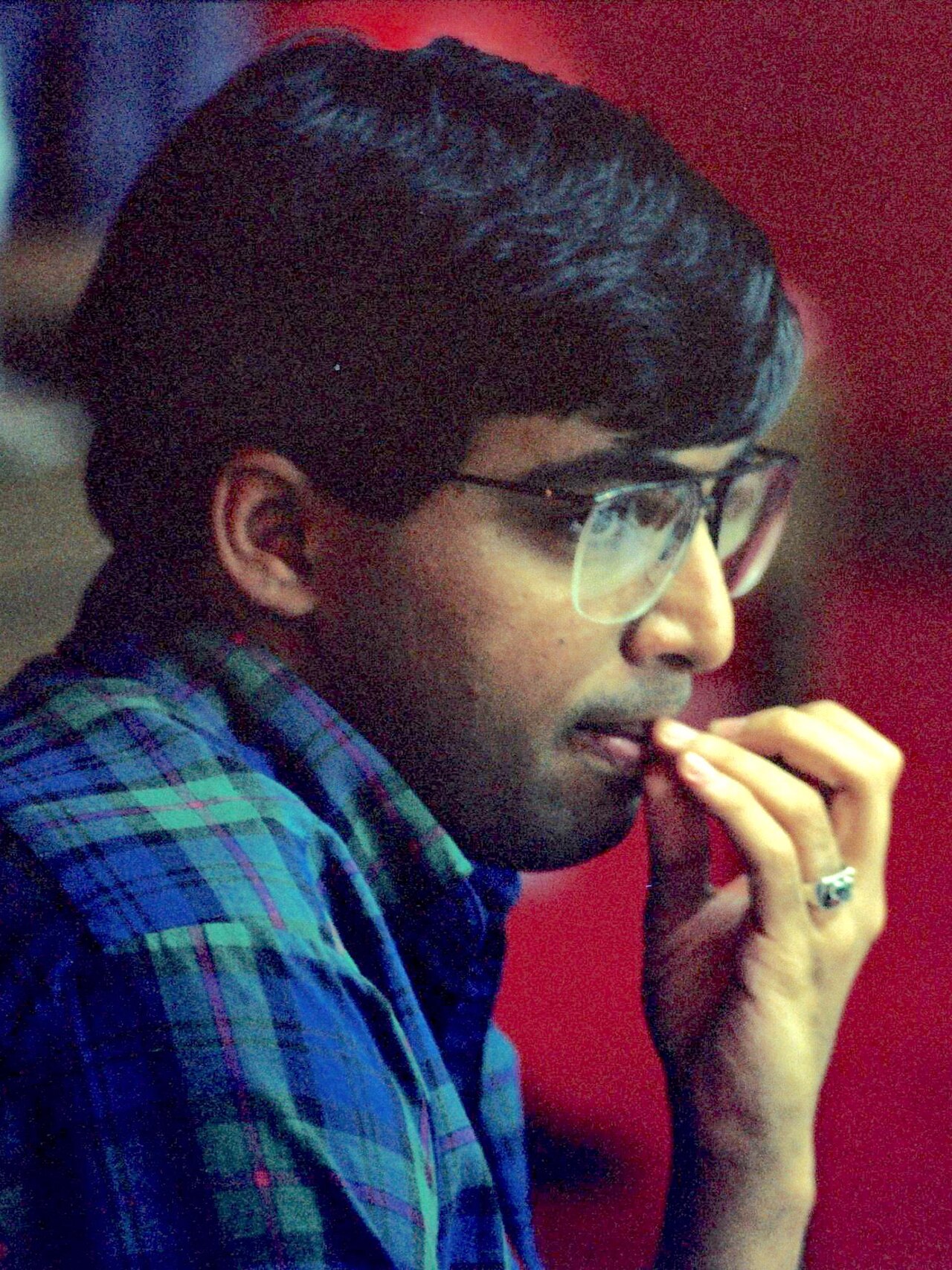
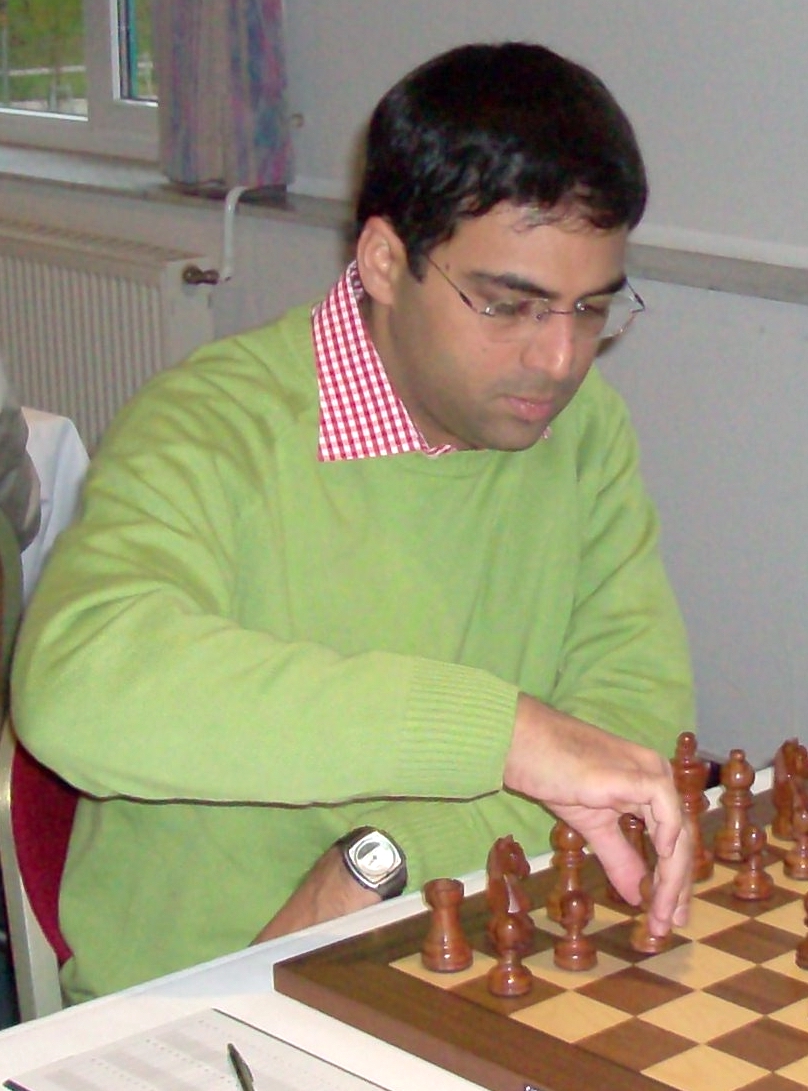

Early life and rise
Anand learned chess as a child in Chennai and showed rapid progress through junior and national events, earning the grandmaster title at a young age. He became a leading player on the international circuit in the late 1980s and 1990s, competing regularly in elite tournaments and Candidates events. His rise coincided with the growth of professional chess and with increasing global competition, and he established a reputation for accurate calculation, practical intuition and excellent form in rapid time controls.
World championship career and notable matches
Anand's world championship story spans different eras of the title. He contested high-profile championship matches in the 1990s and became FIDE World Champion in 2000 during a knockout-format cycle. In 1995 he challenged Garry Kasparov for the PCA (classical) title in a match that began with a long run of draws before decisive games shifted the contest. Anand regained a place at the very top of the game in the 2000s and in 2007 won the unified classical World Chess Championship, becoming the first player to claim the world title in three distinct formats: knockout tournament, round-robin tournament and classical match. He successfully defended his title against Vladimir Kramnik and later won matches against Veselin Topalov and Boris Gelfand (the latter decided in rapid tiebreaks), before eventually ceding the crown to Magnus Carlsen.
Playing style and strengths
Anand is widely admired for his quick, practical approach and for being exceptionally well prepared in opening theory. He is comfortable in both tactical complications and strategic, maneuvering positions, and his speed has made him formidable in rapid and blitz formats as well as in classical play. His collaborative approach to preparation—often working with a team of seconds—has been important to his success in match play. Anand's temperament is known for calmness under pressure and an ability to find resourceful continuations in difficult situations.
Achievements, awards and influence
Beyond world titles, Anand reached the top of the FIDE rating list and is one of a select group of players to have surpassed the 2800 rating barrier. He has received some of India's highest civilian and sporting honors in recognition of his achievements and role in promoting chess. As a visible national figure whose success inspired a generation, Anand helped catalyze the rapid growth of chess in India, contributing to a rise in the number of grandmasters and international competitors from the country. He has also spent many years living and training abroad while retaining strong ties to the Indian chess community.
Notable facts and records
- Nickname and origins: Commonly called "Vishy" and originally from Chennai, India.
- Versatile champion: First to win the World Championship in knockout, tournament and match formats.
- Longevity: Remained among the world elite across three decades and held the world number one ranking during the 2000s.
- Rapid play: Known for excellence in faster time controls and for decisive victories in rapid tiebreaks.
- Influence: Key figure in the expansion of competitive chess in India.
Further reading and sources
The following links are provided for additional information and contemporary reporting about important events in Anand's career:
- World Chess Championship overview
- Background on chess in India and Anand's early life
- Records of Anand's candidates matches and early match wins
- Details about the match against Gata Kamsky
- Contemporary reports on the 1995 match vs Garry Kasparov
- FIDE World Championship 2000 and tournament format
- Anand's 2008 title defense against Vladimir Kramnik
- Account of the 2010 match versus Veselin Topalov
- Coverage of the 2012 match against Boris Gelfand and the rapid tiebreak
- Information on national honors awarded to Anand
- Notes on Anand's residence and training abroad
- Reports on Anand's matches with Magnus Carlsen
For readers seeking annotated games, opening analyses or collections of his most instructive encounters, consult specialized chess databases and anthologies that compile his play from tournaments and world championship matches. Anand's career offers rich material for study in opening preparation, practical decision-making and match strategy.
Questions and answers
Q: Who is Viswanathan Anand?
A: Viswanathan Anand, known as Vishy, is a former World Chess Champion from India.
Q: How old was he when he became classical World Champion for the first time?
A: He was 37 years old when he won the classical World Championship for the first time in 2007.
Q: What type of event was the FIDE World Chess Championship from 2000 to 2002?
A: The FIDE World Chess Championship from 2000 to 2002 was a knock-out event of a different type from the classical matches.
Q: How did Anand retain his world title in 2010?
A: In 2010, Anand retained his world title by beating Veselin Topalov 6½–5½.
Q: When did Anand become world number one for the first time?
A: In April 2007 at the age of 37, Anand became world number one for the first time.
Q: What award did he receive in 2007?
A: In 2007, he was awarded India's second highest civilian award, the Padma Vibhushan.
Q: How did Magnus Carlsen defeat him in 2013 and 2014?
A: Magnus Carlsen defeated him in 2013 and 2014 by 4½ to 6½.
Author
AlegsaOnline.com Viswanathan Anand — Indian grandmaster and former World Chess Champion Leandro Alegsa
URL: https://en.alegsaonline.com/art/132635