
Václav Havel: Playwright, Dissident and President of Czechoslovakia and the Czech Republic
Czech playwright, essayist and dissident who became a leading figure in the Velvet Revolution and served as the last president of Czechoslovakia and the first president of the Czech Republic.
Overview
Czech cultural and political life of the late 20th century was shaped in part by Václav Havel (5 October 1936 – 18 December 2011), a prominent playwright, essayist, dissident and politician. He became internationally known for his literary work and his leadership of non‑violent opposition to Communist rule. Havel served as the tenth and final President of Czechoslovakia (1989–1992) and then as the first president of the independent Czech Republic (1993–2003).

Image gallery
10 Images


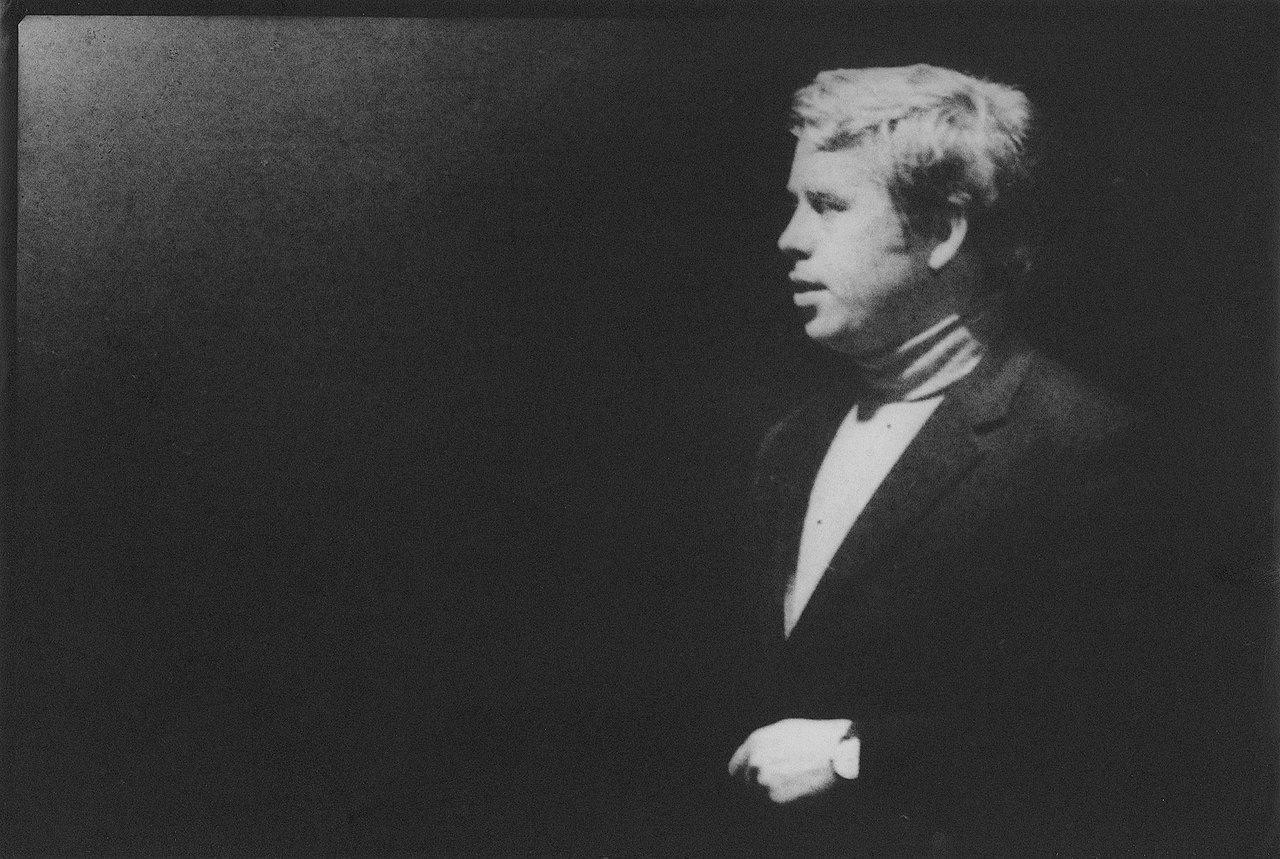
Artistic career and ideas
Havel began as a dramatist and essayist whose plays blended absurdist techniques with political satire and moral inquiry. In the 1960s he wrote a series of stage works that critiqued bureaucracy, conformity and the erosion of individual responsibility. His dramatic approach emphasized language, power, and the gap between appearances and reality; several plays, essays and short pieces were translated into many languages and produced abroad. His public essays often reflected on citizenship, ethics and the duties of intellectuals under authoritarian conditions.
Dissent, Charter 77 and imprisonment
The suppression of reform in the wake of the Prague Spring of 1968 pushed Havel from the theatre toward overt political dissent. He was a leading voice behind Charter 77, a civic initiative that criticized the government for failing to implement human rights commitments it had signed. For his activism and writings he was detained several times; short prison sentences and state harassment made him a symbol of non‑violent resistance across Europe and beyond. International writers, intellectuals and politicians rallied in his support, which helped raise the profile of Czechoslovakia's dissident movement.
The Velvet Revolution and presidency
In 1989 a series of mass protests and strikes culminated in the Velvet Revolution, a largely peaceful transfer of power from the Communist Party. Havel emerged as a consensus figure and was elected president of Czechoslovakia. He worked to dismantle the Communist one‑party system, to restore civil liberties, and to promote pluralism. During his tenure the federal state separated into two independent countries; the peaceful split with Slovakia in 1993 proceeded despite Havel’s preference for maintaining a unified Czechoslovakia.
Domestic reforms and international orientation
As president of the newly formed Czech Republic Havel advocated for market reforms combined with social responsibility, and he promoted human rights, transparency and reconciliation with the past. Under his leadership the country pursued integration with Western institutions: it moved toward membership in NATO and began formal negotiations to join the European Union, achieving EU membership shortly after his presidency. Havel also engaged in public diplomacy, championing European conscience about totalitarian crimes and supporting initiatives to memorialize victims of oppression.
Legacy and notable works
Havel is remembered both for his plays and for the moral authority he brought to politics. He argued that politics required personal responsibility and that civic virtue mattered as much as institutions. His life combined cultural production and political action in a way that many found inspirational during the late 20th century transition from authoritarian rule to democracy.
- Selected plays: The Garden Party; The Memorandum; Largo Desolato (widely translated and staged).
- Selected essays and public writings: collections of political essays and letters on human rights and civic responsibility.
- Notable facts: leader in Charter 77; imprisoned multiple times for dissent; president during the Velvet Revolution and the early years of Czech independence.
Havel’s combination of literary craft and political conscience left a durable mark on Central European history. He is cited often in discussions of how intellectuals can shape democratic transitions and how moral language can influence public life.
Questions and answers
Q: Who was Václav Havel?
A: Václav Havel was a Czech playwright, essayist, dissident and politician. He served as the tenth and last President of Czechoslovakia from 1989-1992 and then became the first President of the Czech Republic from 1993-2003.
Q: What did he write?
A: Havel wrote more than twenty plays and many non-fiction works, many of which were translated into multiple languages. Beginning in the 1960s, most of his writings focused on politics in Czechoslovakia.
Q: How did he become famous internationally?
A: In 1977, Havel became famous internationally for his work on the human rights manifesto Charter 77. He also became known as a leader of the opposition in Czechoslovakia and was sent to prison for these activities.
Q: What happened during the "Velvet Revolution"?
A: During the Velvet Revolution in 1989, Havel became president and led Czechoslovakia (and later the Czech Republic) to an open democracy with several political parties.
Q: What changes occurred during his presidency?
A: During his thirteen years as president, The Czech Republic separated from Slovakia (even though Havel was against separation), joined NATO, started negotiating membership in the European Union (which it eventually achieved in 2004), and signed The Prague Declaration on European Conscience and Communism.
Q: What is The Prague Declaration on European Conscience and Communism?
A: The Prague Declaration on European Conscience and Communism is a document that calls for recognition of Communist crimes committed throughout Europe between 1945-1989 by governments that had been installed by Soviet occupation forces or their proxies. It also calls for education about these crimes so they are not forgotten or repeated again in future generations.
Author
AlegsaOnline.com Václav Havel: Playwright, Dissident and President of Czechoslovakia and the Czech Republic Leandro Alegsa
URL: https://en.alegsaonline.com/art/132409