
U Thant: Burmese Diplomat and Third Secretary-General of the United Nations
Biography of U Thant (1909–1974), Burmese diplomat who served as the third Secretary-General of the United Nations (1961–1971), his background, major actions, and legacy.
Overview
U Thant (22 January 1909 – 25 November 1974) was a Burmese diplomat who served as the third Secretary-General of the United Nations from 1961 to 1971. He assumed the post after the death of his predecessor, Dag Hammarskjöld, and guided the world organization through a decade marked by decolonization, Cold War tensions, and regional conflicts. Known for a low-key, conciliatory style and commitment to neutrality, U Thant became the first non-European to hold the office and is widely remembered for his emphasis on mediation and peacekeeping.
Image gallery
9 Images
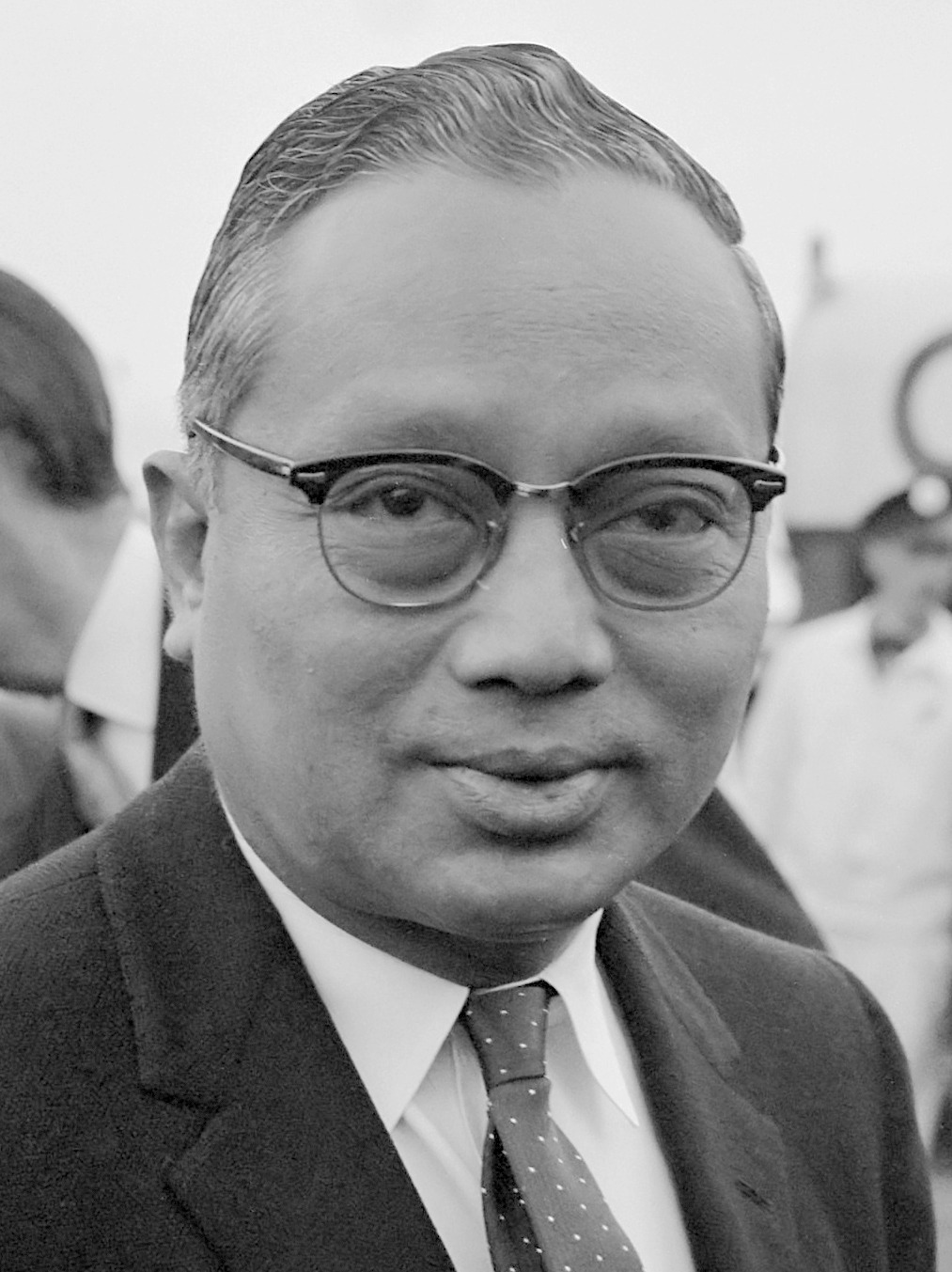


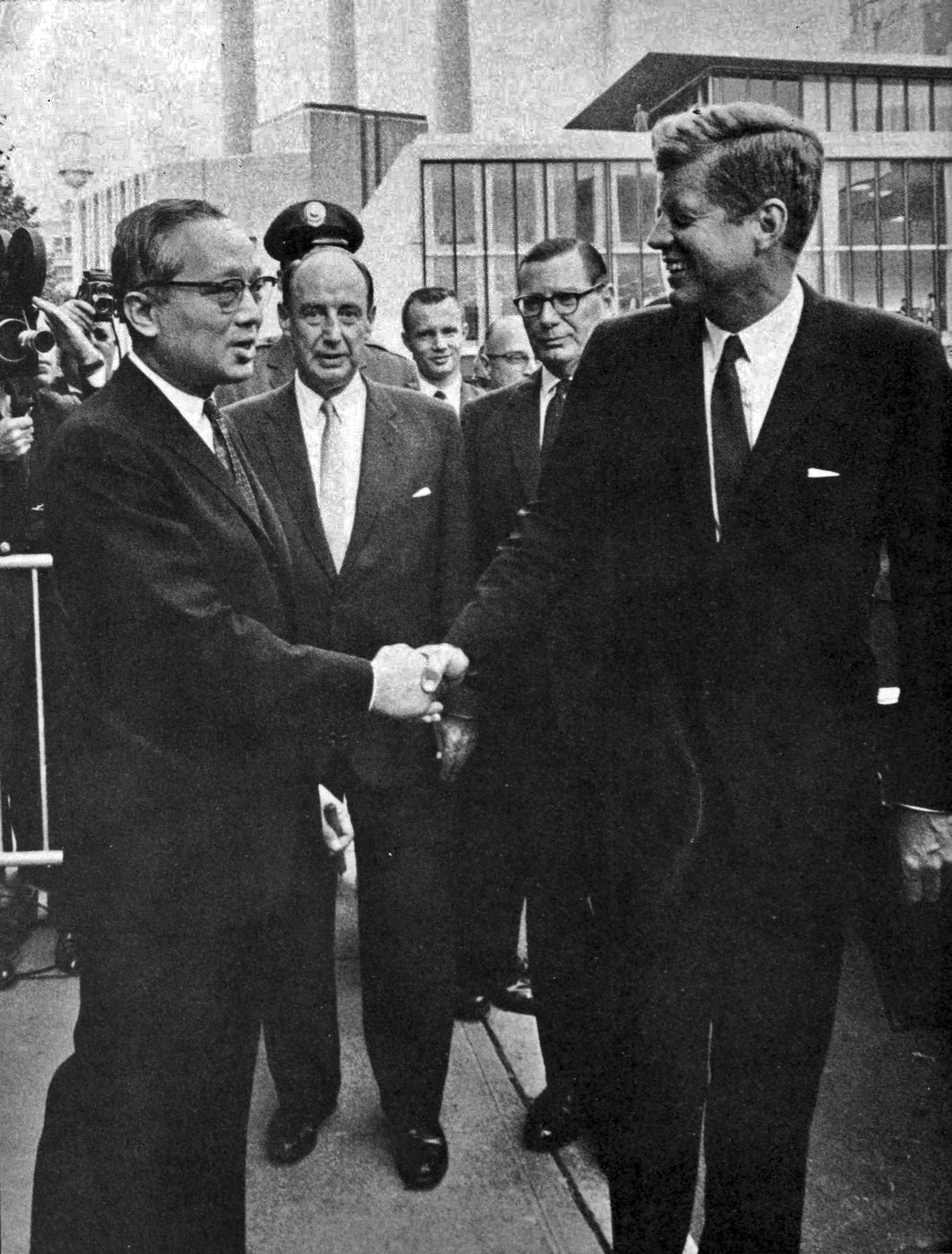
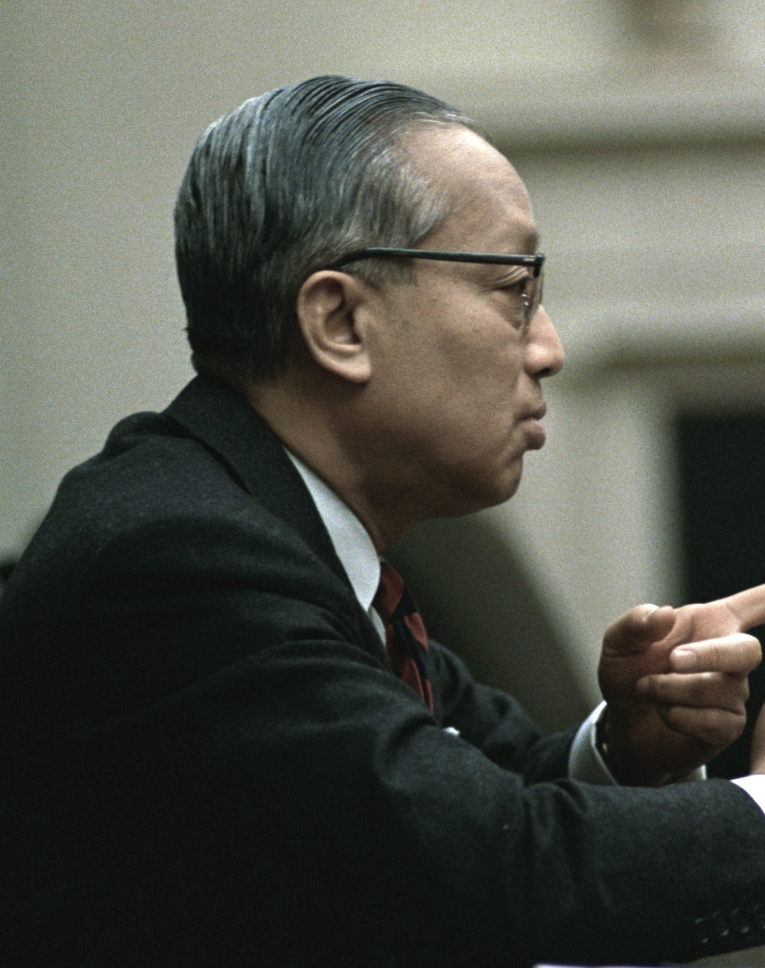
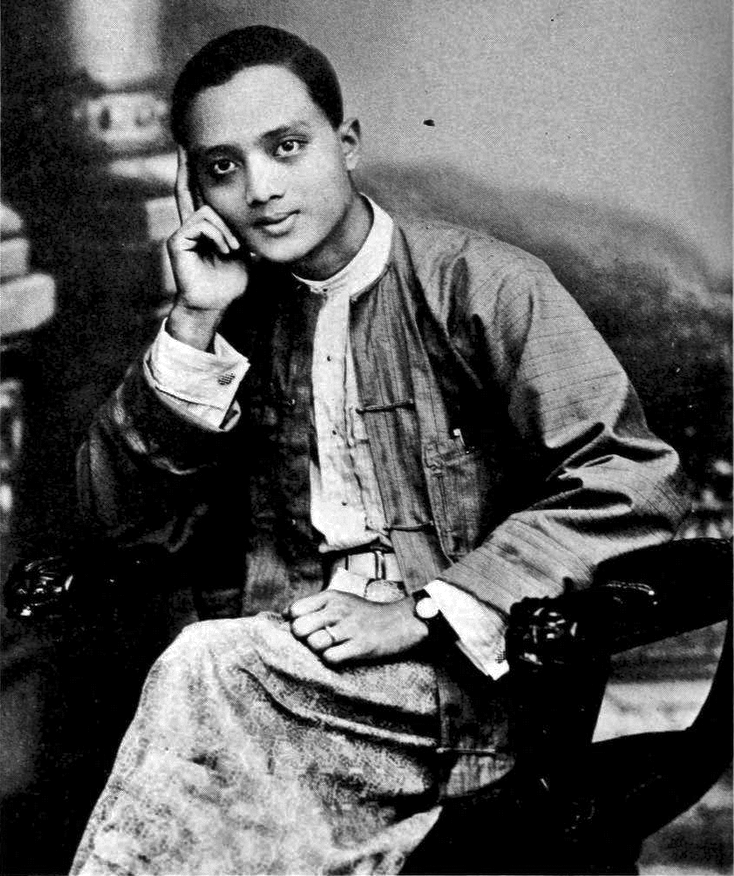

Early life and career
Born in Pantanaw in British Burma, he was commonly addressed by the Burmese honorific U, roughly equivalent to "Mr." His personal name was Thant and he is often referred to in Burmese sources as Pantanaw U Thant. Before joining the UN, he worked in education and colonial civil service, and later entered Burma's foreign service after independence. His diplomatic background and reputation for impartiality made him acceptable to many members of the UN Security Council when a successor to Hammarskjöld was sought.
Tenure as Secretary-General (1961–1971)
U Thant first completed the remainder of his predecessor's term and was subsequently appointed to full terms that covered much of the 1960s. His administration focused on practical diplomacy: supporting peacekeeping operations, mediating crises, and facilitating the admission of newly independent states. He managed relations with both Western and Eastern bloc powers while attempting to uphold the UN's role as a neutral forum for negotiation.
Notable actions and influence
- He oversaw and sometimes personally mediated United Nations peacekeeping missions and ceasefire arrangements in several regions affected by conflict.
- During the period of rapid decolonization, he advocated for the UN to assist new states with admission, development, and diplomatic integration.
- He played a visible role in calming tense international episodes of the 1960s through quiet diplomacy and proposals for compromise.
Legacy and later events
U Thant is generally regarded as having strengthened the Secretariat's role in mediation and peacekeeping. His style contrasted with more forceful political figures; he preferred behind-the-scenes negotiation over public rhetoric. After leaving office in 1971, he returned to Burma. His death in 1974 triggered strong public emotion at home and a politically charged dispute over his funeral arrangements, which underscored his personal standing in Burmese public life.
Distinctive facts
Several points distinguish him in the history of the UN: he was the first Secretary-General from Asia and the first to be appointed after the sudden death of a predecessor. His tenure coincided with a surge in UN membership from newly independent countries, changing the organization’s composition and priorities. For readers seeking introductory sources, general overviews of his life and work can be found through basic biographical and institutional summaries (Burmese sources and UN historical pages like those summarized elsewhere) and archival records available from the organization itself (UN historical resources).
U Thant's measured approach and emphasis on quiet diplomacy left a lasting impression on the office of Secretary-General: an image of the post as a mediator and administrator as well as a visible international statesperson. His decade in the role saw the UN expand its membership and operational scope, shaping how the organization engaged with post-colonial states and Cold War dynamics.
Questions and answers
Q: Who was U Thant?
A: U Thant was a Burmese diplomat and the third Secretary-General of the United Nations.
Q: How long did U Thant serve as Secretary-General of the United Nations?
A: U Thant served as Secretary-General of the United Nations from 1961 to 1971.
Q: Why was U Thant chosen as Secretary-General of the United Nations?
A: U Thant was chosen as Secretary-General of the United Nations after his predecessor, Dag Hammarskjöld, was killed in a plane crash in September 1961.
Q: What does the word "U" mean in Burmese?
A: The word "U" in Burmese roughly translates to "Mister."
Q: What was U Thant's full name in Burmese?
A: In Burmese, U Thant was known as Pantanaw U Thant, which means "Mr Thant of Pantanaw."
Q: Where is U Thant's home town?
A: U Thant's home town is Pantanaw.
Q: What does U Thant's Burmese name, Pantanaw U Thant, mean?
A: U Thant's Burmese name, Pantanaw U Thant, means "Mr Thant of Pantanaw."
Author
AlegsaOnline.com U Thant: Burmese Diplomat and Third Secretary-General of the United Nations Leandro Alegsa
URL: https://en.alegsaonline.com/art/132408