
Ulf Lundell: Swedish novelist, songwriter and cultural figure
Ulf Lundell (born 1949) is a Swedish novelist, poet, songwriter, musician and artist. He emerged in the 1970s and is known for the novel Jack and songs such as Öppna landskap, influencing Swedish culture.
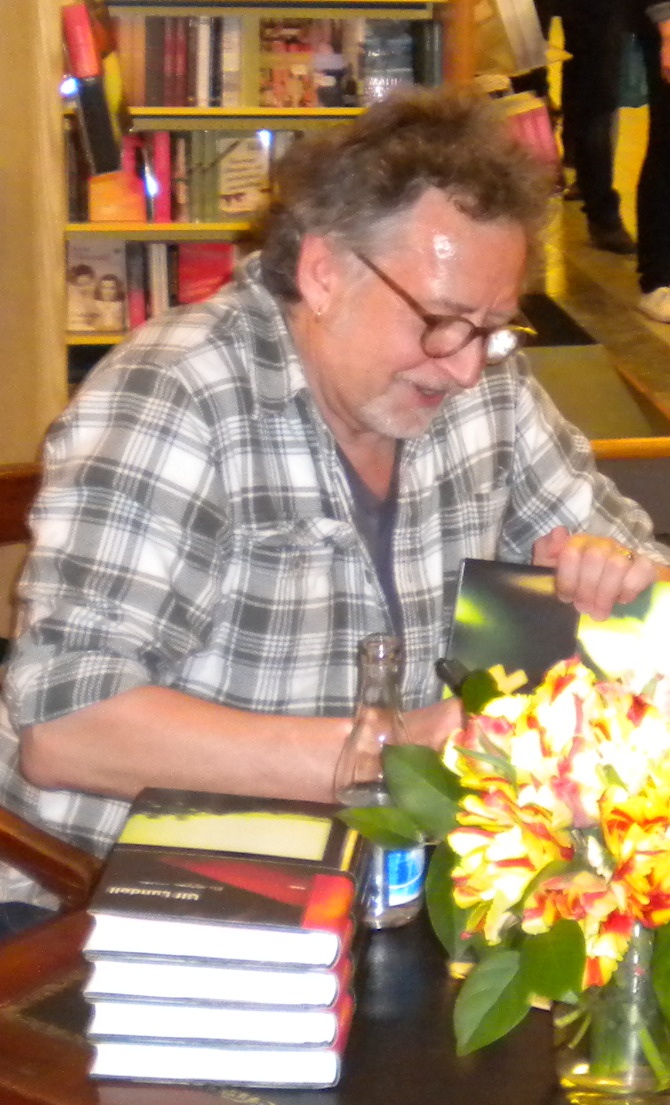
Ulf Lundell (born 20 November 1949) is a Swedish writer, poet, songwriter, musician and visual artist. He was born in Södermalm and is associated with contemporary cultural life in Sweden. Lundell's career spans several decades and media, and he is widely regarded as one of the country's most prominent rock-era authors and performers.
Image gallery
2 Images
Overview and roles
Lundell works across genres: long-form prose, poetry, song lyrics and painting. He first gained broad attention with his early novel that captured youth and countercultural life, and he has since released numerous albums and books. His public image mixes the roles of troubadour, novelist and public commentator.
Characteristics and themes
Recurring themes in Lundell's work include personal freedom, nature and landscape, love and loneliness, and the tensions of urban and rural life. Musically his style blends rock, folk and singer-songwriter traditions; lyrically he often evokes candid, confessional tones.
Notable works and influence
- Early breakthrough novel—often cited as a defining work for a generation.
- Several widely known songs that entered the Swedish popular repertoire; one of his best-known anthems evokes open landscapes and rural identity.
- Ongoing output in poetry and painting, reinforcing a cross-disciplinary reputation.
Lundell's combination of literary ambition and rock credibility helped shape Swedish-language rock and modern Swedish letters from the 1970s onward. His work has inspired other writers and musicians and sparked public debate about culture, politics and identity.
Reception and legacy
Critical responses to Lundell have been mixed: he has fervent admirers who praise his raw sincerity and the emotional reach of his songs and novels, while some critics have been dismissive of his stylistic choices. Regardless, his long career and continued presence in public life make him a notable figure in contemporary Swedish culture.
Author
AlegsaOnline.com Ulf Lundell: Swedish novelist, songwriter and cultural figure Leandro Alegsa
URL: https://en.alegsaonline.com/art/132373