
Uday Hussein: life, roles, controversies and death
Eldest son of Iraqi leader Saddam Hussein, Uday Hussein was a high-profile and controversial figure known for his control of sports and media, violent reputation, failed succession and death after the 2003 invasion.
Overview
Uday Saddam Hussein al-Tikriti (born June 1964) was the eldest son of Iraqi president Saddam Hussein. He attracted intense attention at home and abroad for his extravagant lifestyle, brutality and influence inside Iraq's ruling circles. His Arabic name and spelling are often shown in sources as عُدي صدّام حُسين. For years he was widely expected to be a leading candidate to succeed his father, but a combination of violent behavior, public scandals and a serious wound changed his standing in the regime.
Image gallery
6 Images




Positions and public role
During the 1990s and early 2000s Uday held a number of official and semi-official positions that gave him visibility and power. He presided over national sporting bodies, including the Olympic committee and football administration, and controlled entertainment venues and some media outlets. These roles allowed him to wield influence over athletes, journalists and cultural institutions and to reward loyalists or punish opponents.
Reputation and allegations
Uday's name became synonymous with alleged abuses and criminal behavior. He was accused by defectors, victims and foreign observers of serious wrongdoing, including rape, murder and torture. These accusations contributed to his notoriety and were frequently cited by critics of the Iraqi leadership. He was also detained or briefly punished at times by his father's government, and on at least one occasion a symbolic death sentence was announced by the regime before being commuted.
Injury, rivalry and decline
His relationship with the ruling family became strained after a violent assassination attempt in the 1990s left him badly hurt and diminished his immediate prospects for succession. Reports of the injury and its lasting effects on his health and behavior circulated widely. As his public profile became increasingly problematic, authority inside Saddam's circle shifted toward his younger brother, Qusay. Uday was briefly imprisoned at times and also spent periods in exile or under restricted conditions imposed by the regime.
Death and aftermath
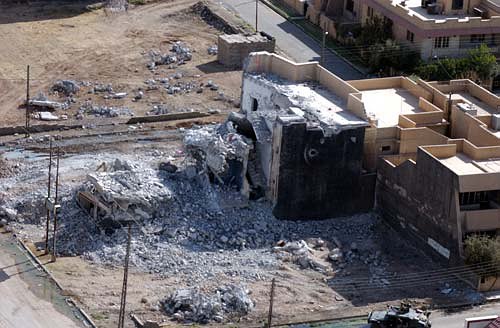
Following the United States-led invasion of Iraq in 2003, Uday and his brother Qusay were targeted by coalition forces. On 22 July 2003 a U.S. special operations unit engaged them in a raid in Mosul, resulting in their deaths along with Qusay's son. The killings marked a symbolic end to the immediate leadership of Saddam's inner circle.
Legacy and notable facts
- Public image: Uday remained a highly controversial figure whose name is often cited when discussing abuses of state power in late Ba'athist Iraq.
- Legal and human-rights claims: Allegations of rape, murder and torture are part of the historical record as reported by survivors, journalists and international observers; these remain sensitive and contested in detail (rape, murder, torture).
- Regime relations: Despite privileges, he experienced severe conflicts with his family and the system that both protected and disciplined him, including a token death sentence decreed by the regime at one point.
- Sources: Contemporary reporting and later studies provide differing perspectives on his precise actions and the extent of his power; general timelines of his life are available in English and Arabic-language records (presidency, Iraq).
For further reading, contemporary news coverage and later historical accounts document the controversies around his name as well as the events leading to his death; these include reports from military units and investigations by human-rights organizations (injury reports, exile notes, family context).
Questions and answers
Q: Who was Uday Saddam Hussein al-Tikriti?
A: Uday Saddam Hussein al-Tikriti was the oldest son of Saddam Hussein, the fifth President of Iraq.
Q: How many siblings did he have?
A: He had one younger brother named Qusay Hussein.
Q: Why didn't Uday become the head of Iraq after his father died?
A: Uday lost this place to Qusay for several reasons; because he was badly injured in an assassination attempt; because his behavior was often out of control; and because his relations with his family became more and more troubled.
Q: What crimes has Uday been accused of?
A: Uday has been accused of many crimes, including rape, murder, and torture.
Q: How many times was Uday imprisoned?
A: Uday was imprisoned several times and exiled.
Q: What sentence did he receive from his father's regime?
A: He received a token death sentence from his father's regime.
Q: How did Task force 20 kill Uday, Qusay, and Mustapha? A: Task force 20 killed them during a four-hour gunfight in Mosul during the United States-led invasion of Iraq in 2003.
Author
AlegsaOnline.com Uday Hussein: life, roles, controversies and death Leandro Alegsa
URL: https://en.alegsaonline.com/art/132362