
U2 (Irish rock band)
U2 are an Irish rock band formed in Dublin in 1976. Known for their stadium shows, landmark albums and activism, they blend post‑punk roots with pop, electronic and gospel influences.
Overview
U2 is an Irish band formed in Dublin in 1976. The group rose from the post‑punk scene to become one of the best‑selling and most visible rock acts of the late 20th and early 21st centuries. They have sold tens of millions of records worldwide (sales) and have earned numerous awards, including multiple Grammy recognitions. The name U2 is shared with the reconnaissance aircraft Lockheed U‑2 (see also related page), but in popular usage it identifies the musical group.
Image gallery
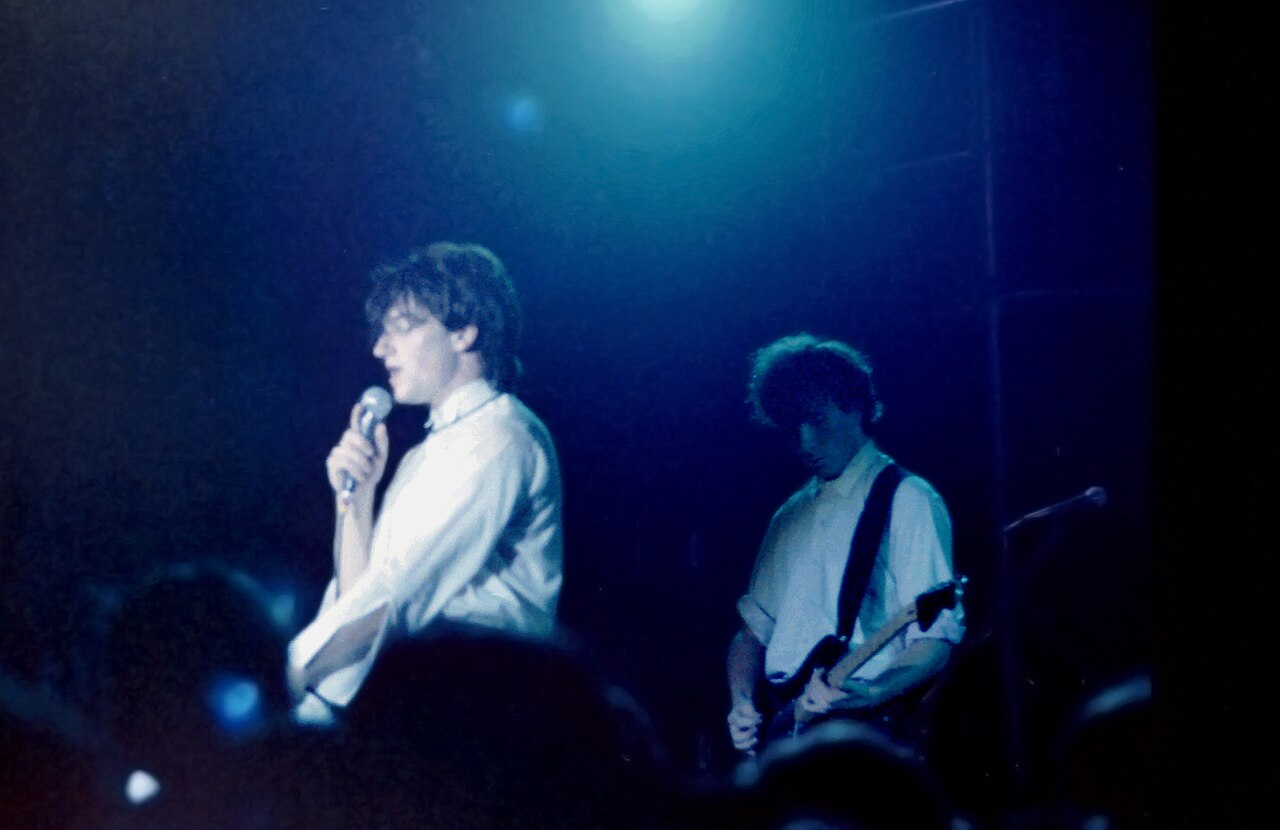
10 Images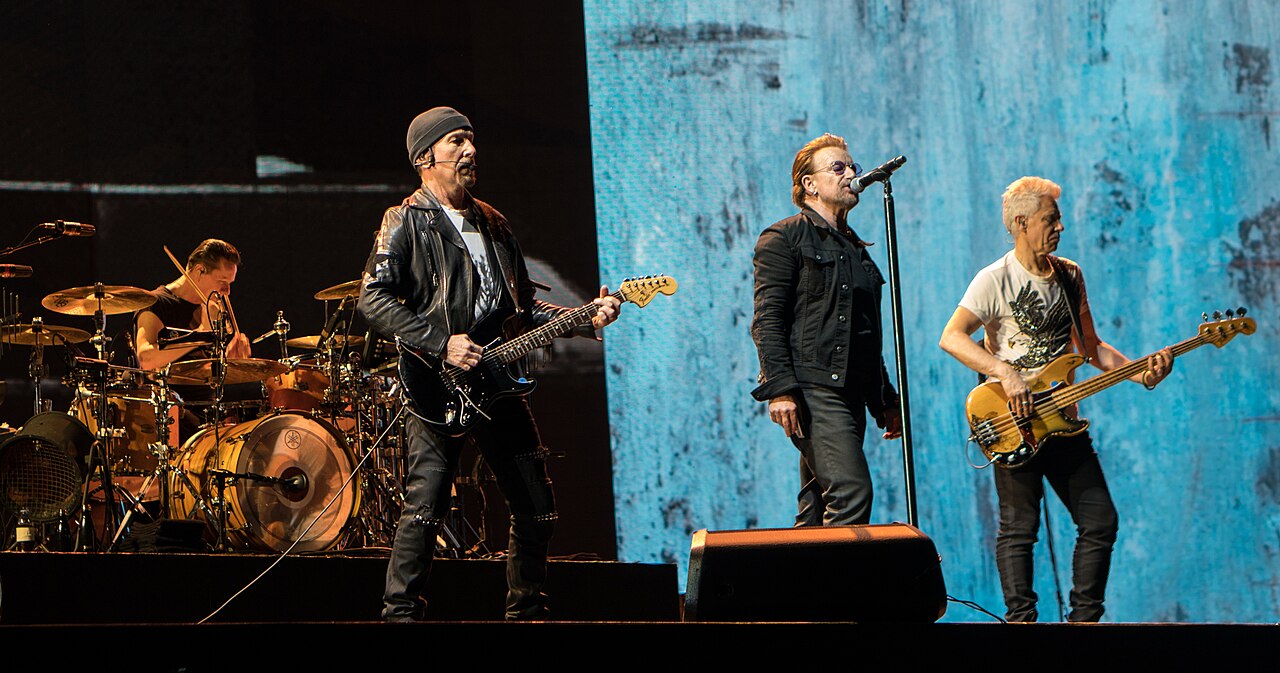





Members and roles
The band's classic lineup, unchanged since the early years, consists of four members who share songwriting credits and a collective public profile. They are:
- Bono (Paul David Hewson) – lead vocals and primary lyricist
- The Edge (David Howell Evans) – guitars, keyboards and signature effects
- Adam Clayton (bassist) – bass guitar and arrangement contributor
- Larry Mullen Jr. (drummer) – percussion and rhythmic foundation
Musical development and major releases
U2's early sound grew from punk and art‑rock into a spacious, guitar‑driven style. Their international breakthrough came in the 1980s (1980s) with a string of acclaimed albums. A major commercial and critical milestone was The Joshua Tree (released around 1987), which emphasized Americana and widescreen production and produced enduring singles. In 1991 they reinvented themselves on Achtung Baby, adopting influences from alternative rock and dance music. The band continued to experiment through the 1990s with albums such as Zooropa and Pop, incorporating electronic textures and unconventional production techniques. In the 21st century they revisited a more traditional rock sound while integrating contemporary pop and gospel elements.
Live performance and tours
U2 has a long reputation as a live act whose large‑scale stadium and arena shows often combine ambitious staging, video technology and theatrical concepts. Notable tours—such as those supporting Achtung Baby, The Joshua Tree and later albums—have been praised for their visual innovation and political messaging. The band's concerts have helped maintain a broad international audience and contributed substantially to their cultural impact.
Activism, collaborations and awards
Bono and other members have been prominent in humanitarian and political causes, partnering with organizations like Amnesty International, Make Poverty History and other campaigns. They have supported large benefit events including Live Aid and Live 8, and Bono has been involved in initiatives such as DATA (Debt, AIDS, Trade in Africa) and the ONE Campaign. Their music has been recognized across mediums: they have won numerous industry awards and have been nominated for film honors—for example their song "Ordinary Love" was written for the film about Nelson Mandela and received major nominations and a Golden Globe.
Legacy and notable facts
U2's influence spans songwriting, concert presentation and music industry best practices. They are often cited for melding earnest political engagement with arena‑scale pop songwriting. The band has managed a rare combination of long‑term membership and commercial longevity. For quick references to their history, discography and touring chronology, consult dedicated resources and archival pages: aircraft namesake, related entry, and numerous artist profiles and databases that document their recordings, awards and global tours. Additional resources covering their members, activism and specific albums are available through music archives and cultural histories.
For further reading and official material, see profiles of the members and albums, tour histories, and the work of associated charities and campaigns: band profile, rock genre context, band articles, member pages for Bono, The Edge, Adam Clayton and Larry Mullen Jr., background on the 1980s era and landmark albums like The Joshua Tree and Achtung Baby.
Selected links and topic anchors: sales, awards, Dublin, 1987, 1991, alternative rock, dance, modern era, Amnesty, Make Poverty History, Live Aid, Live 8, DATA, song.
Questions and answers
Q: Who are the members of U2?
A: The four members of U2 are lead singer Bono (born Paul David Hewson), lead guitarist The Edge (born David Howell Evans), bassist Adam Clayton, and drummer Larry Mullen Jr.
Q: When did U2 form?
A: U2 formed in Dublin in 1976.
Q: What was their most popular album?
A: Their most popular album is The Joshua Tree, which was released in 1987.
Q: How many Grammy Awards has U2 won?
A: U2 has won 22 Grammy Awards, more than any other rock band.
Q: What type of music did they experiment with during the 1990s?
A: During the 1990s, U2 experimented with alternative rock and dance music on albums such as Achtung Baby and Zooropa.
Q: What charity work have they been involved in?
A: They have been involved in charities and helping people with groups such as Amnesty International, Make Poverty History, the ONE Campaign, Live Aid, Live 8, Bono's DATA (Debt, AIDS, Trade in Africa) campaign, and Music Rising.
Q: What award did they win for their song Ordinary Love?
A; In 2014 they won a Golden Globe Award for Best Original Song and were nominated for an Academy Award for Best Original Song for their song Ordinary Love which was used in the movie Mandela Long Walk to Freedom.
Author
AlegsaOnline.com U2 (Irish rock band) Leandro Alegsa
URL: https://en.alegsaonline.com/art/132360