
Trygve Lie: Norway’s Labour Statesman and the First United Nations Secretary‑General
Trygve Lie (1896–1968), a Norwegian Labour politician, served as the first elected Secretary‑General of the United Nations (1946–1952). His tenure shaped the new organisation amid early Cold War crises.

Trygve Halvdan Lie (16 July 1896 – 30 December 1968) was a Norwegian Labour Party politician who became the first elected Secretary‑General of the United Nations in 1946. His term ran through the formative post‑World War II years and the early Cold War, a period that defined many of the UN’s procedures and political precedents.
Image gallery
2 Images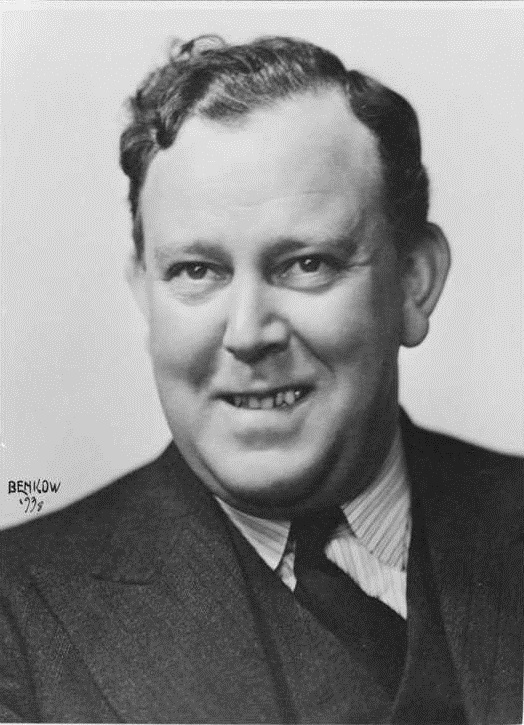

Background and political career
Before joining the UN leadership, Lie was active in Norway’s labour movement and national politics. He held several domestic government positions and was known as a pragmatic administrator and diplomat. His political background and international outlook made him a compromise candidate acceptable to several major powers as the United Nations established its permanent institutions.
Selection as Secretary‑General
In 1946 the General Assembly chose Lie to head the newly created Secretariat. As the first Secretary‑General, he faced the task of turning charter language into working offices, staffing, and routines. His role combined manager of an international civil service with an articulate international representative—an arrangement that would shape the office’s evolving responsibilities.
Major issues and initiatives
- Helping build the Secretariat and administrative framework of the UN.
- Managing early postwar conflicts and diplomatic responses, including those arising from the Palestine question and later the Korean War.
- Developing precedents for the Secretary‑General’s mediation and public advocacy roles.
Controversies and resignation
Lie’s term coincided with sharp East‑West tensions. His actions in Cold War disputes and during the Korean conflict drew criticism from some member states. Opposition from the Soviet Union and the resulting diplomatic stalemate over his reappointment contributed to his decision to step down in 1952. These events highlighted the political limits of the Secretary‑General’s authority when permanent Security Council members are deeply divided.
Legacy and significance
Trygve Lie left a mixed but important legacy: he helped establish the UN’s central organs and operational habits, demonstrated the potential and constraints of the Secretary‑General’s office, and set early examples of UN engagement in international crises. Scholars and practitioners often reference his tenure when discussing how the Secretariat grew from a concept into a functioning international institution.
For more on his political background and the office he held, see resources on the Norwegian Labour Party and the role of the United Nations Secretary‑General.
Questions and answers
Q: Who was Trygve Lie?
A: Trygve Halvdan Lie was a Norwegian politician.
Q: What position did Trygve Lie hold from 1946 to 1952?
A: From 1946 to 1952, Trygve Lie was the first elected Secretary-General of the United Nations.
Q: When was Trygve Lie born and when did he die?
A: Trygve Lie was born on July 16, 1896, and he died on December 30, 1968.
Q: What was Trygve Lie's full name?
A: Trygve Lie's full name was Trygve Halvdan Lie.
Q: What nationality was Trygve Lie?
A: Trygve Lie was Norwegian.
Q: What notable achievement did Trygve Lie hold during his career?
A: Trygve Lie held the position of the first elected Secretary-General of the United Nations from 1946 to 1952.
Q: What is the pronunciation of Trygve Lie's name?
A: Trygve Halvdan Lie's name is pronounced as /ˌtɾygʋə 'li:ə/.
Author
AlegsaOnline.com Trygve Lie: Norway’s Labour Statesman and the First United Nations Secretary‑General Leandro Alegsa
URL: https://en.alegsaonline.com/art/132309