
Agadir: Atlantic Moroccan City, Resort and Port
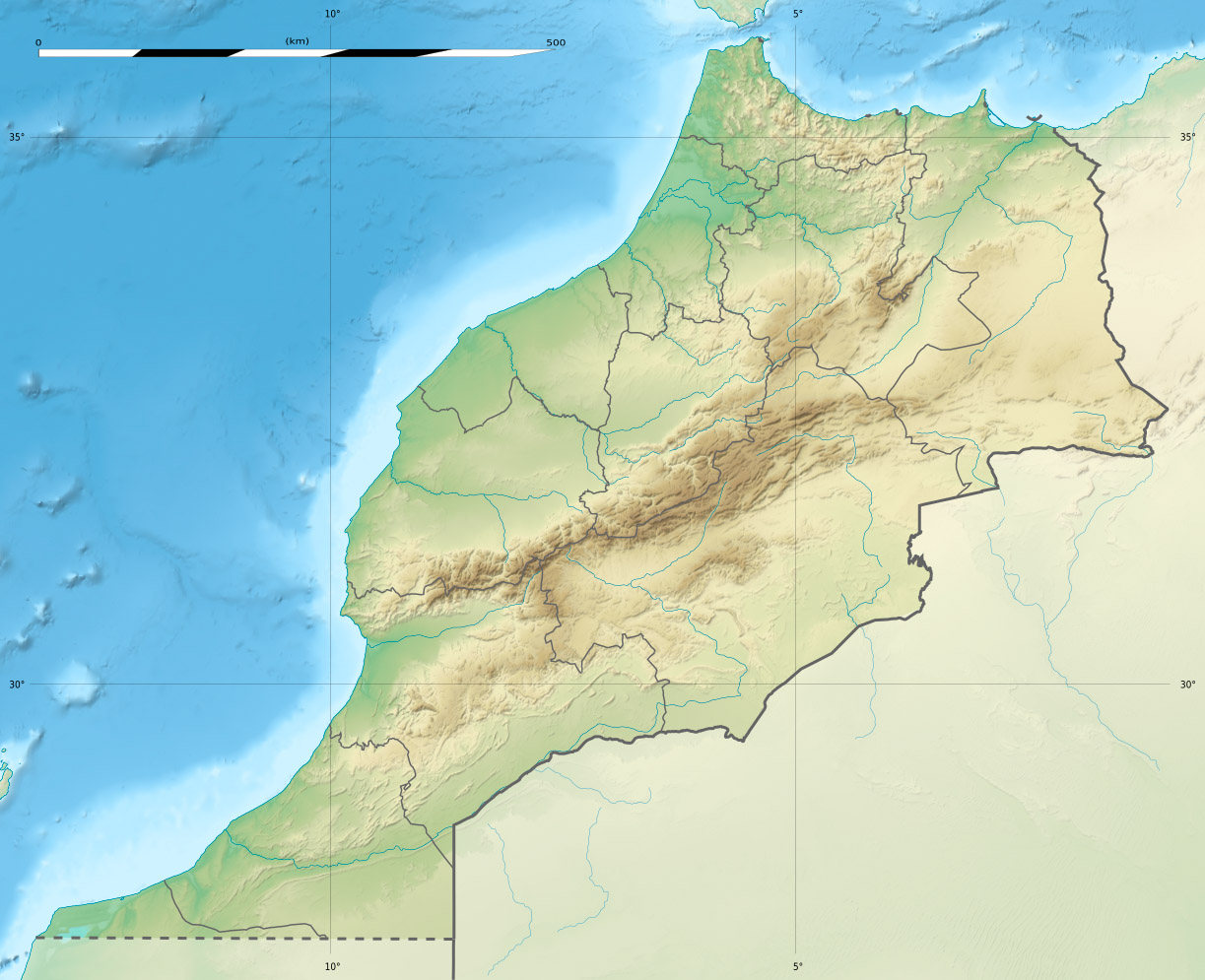
Agadir is a coastal city in southwestern Morocco, on the Atlantic and in the Souss-Massa region. It is known for its beach resort, fishing port, argan hinterland, modern rebuild after the 1960 earthquake, and Amazigh culture.
Overview
Agadir is a prominent city on Morocco's Atlantic coast, set at the mouth of the Souss Valley in the wider Souss-Massa area. Its sandy bay, modern waterfront and role as a regional hub make it one of Morocco's principal resort and commercial centers. The city's character blends seaside leisure with a working port and connections to rural agricultural districts inland.
Image gallery
10 Images


Geography and climate
Positioned on a broad crescent of coastline, Agadir benefits from long beaches and a mild, dry climate that supports year-round tourism. The surrounding landscape includes the fertile Souss plain, argan-dotted hills and coastal wetlands that attract migratory birds. Nearby protected areas and nature reserves are important for biodiversity and outdoor recreation.
History and development
Agadir's origins are linked to Berber (Amazigh) settlement and its development as a port town. It saw periodic influence from European mariners in the early modern period. A defining moment came with the devastating earthquake of 1960, which destroyed much of the old city and led to a planned, largely modern reconstruction. Remnants of older fortifications, notably the Kasbah (Agadir Oufella) on a hill above the bay, remain visible as historic landmarks.
Economy and culture
The local economy combines tourism, fishing, agriculture and trade. The port handles an active fish market and commercial shipping, while farms in the surrounding plain produce citrus, vegetables and other crops. The argan tree and its oil are culturally and economically significant across the region, often produced by local cooperatives. Agadir's cultural life reflects Amazigh traditions alongside contemporary Moroccan urban culture, with markets, crafts and music festivals contributing to civic identity.
Attractions and transport
Visitors are drawn by the beach promenade, marina, coastal parks and historical viewpoints. Popular sites and facilities include:
- Agadir Oufella (Kasbah) ruins overlooking the bay
- The long main beach and seaside corniche
- Souk El Had, the large city market with crafts and food
- Marina, aquarium and family parks such as the Valley of the Birds
Transport links include an international airport serving regional and European routes, a commercial port, and road connections to inland cities such as Taroudant and Marrakech. These links reinforce Agadir's role as both a gateway for tourists and a center for regional commerce.
Notable facts and distinctions
Agadir is often cited for its modern urban layout compared with many older Moroccan medinas, a legacy of the post‑earthquake rebuild. It is a popular destination for beach tourism and water sports, particularly surfing. Conservation of argan woodlands and coastal wetlands is an ongoing local concern, balancing development with ecological and cultural preservation.
Geography
Agadir is located at the mouth of the river Oued Souss into the Atlantic Ocean.
The climate is dry and warm all year round, with temperatures averaging around 22 °C. Fresh gusts of wind occasionally occur.
| Average monthly temperatures for Agadir
Source : www.klimatabelle.de | ||||||||||||||||||||||||||||||||||||||||||||||||||||||||||||||||||||||||||||||||||||||||||||||||||||||||||||||||||||||||||||||||||||||||||||||||||||||||||||||||||||||||||||||||||||||||||||||||||||||||||||||||||||||||||||||

History
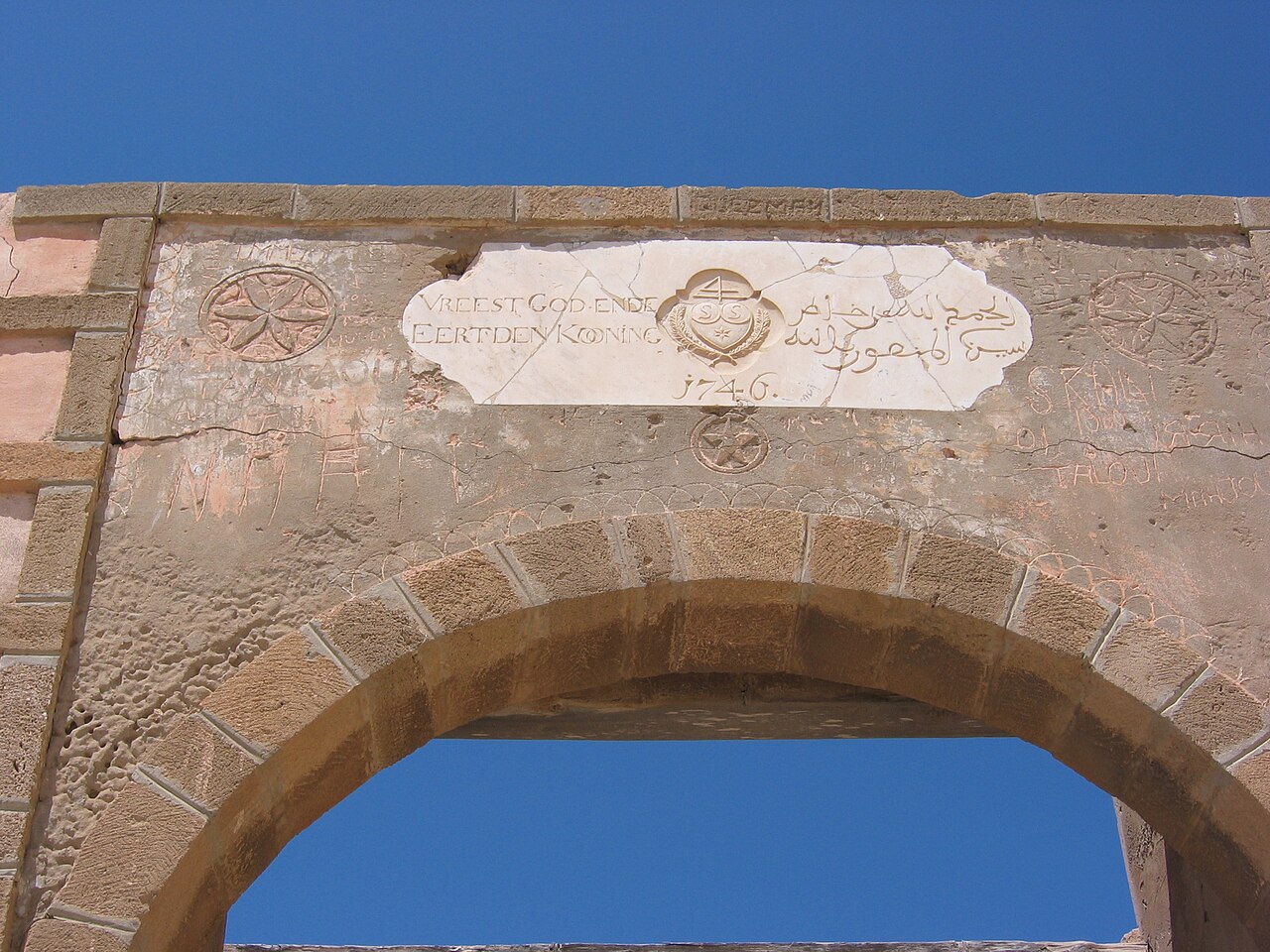
Agadir was founded in 1505 by Portuguese sailors. In 1541 the Saadians conquered the city. In 1751, King Frederick V of Denmark attempted - ultimately unsuccessfully - to establish Danish bases in present-day Agadir (Santa Cruz do Cabo de Gué or Cabo de Aguer) and Safi by concluding a treaty of friendship and trade with Mulai Muhammad, the governor of Marrakech.
In 1911, at the height of Franco-German tensions and rivalries over Morocco, Germany dispatched the gunboats SMS Panther and SMS Eber and the small cruiser SMS Berlin to Agadir. The incident, which became known as the Panther jump to Agadir and nearly led to a major European war, prompted France to declare Morocco a French protectorate in 1912 (the November 1912 Protectorate Treaty divided it into the protectorates of French Morocco and Spanish Morocco (in the north); see History of Morocco for details).
Swiss Quarter
On the evening of February 29, 1960, the city was devastated by an earthquake, killing some 10,000 to 15,000 people. Apart from the Kasbah (240 meters above sea level), Agadir therefore has few historical buildings today. Many nations helped Agadir to rebuild. Switzerland even built up a whole quarter ("Swiss quarter").
In 1975, Morocco's worst plane crash to date occurred outside the city, killing 188 people.


Related articles
Author
AlegsaOnline.com Agadir: Atlantic Moroccan City, Resort and Port Leandro Alegsa
URL: https://en.alegsaonline.com/art/1323