
Tori Amos — American singer-songwriter and pianist
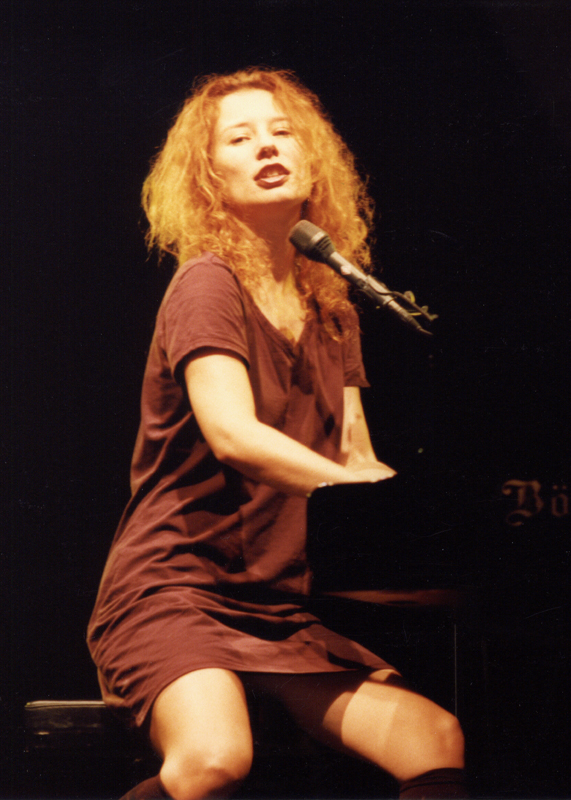
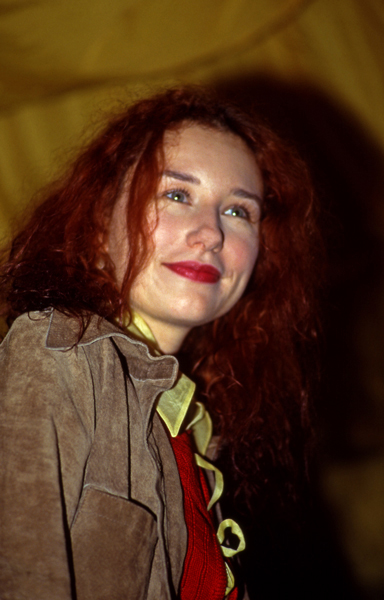
Tori Amos (born 1963) is an American singer-songwriter and pianist known for piano-driven alternative rock, confessional lyrics, and a voice rooted in classical training. Her work spans decades of albums and activism.
Overview
Tori Amos (born Myra Ellen Amos on August 22, 1963) is an American singer and songwriter whose music centers on piano-based compositions and intensely personal lyrics. She came to public attention in the early 1990s with a solo style that blended classical piano technique, alternative rock sensibilities and confessional storytelling. Critics and audiences have acknowledged her with numerous awards and nominations for her recorded work and performances, and her distinctive approach has made her a recurring presence in discussions of modern singer-songwriters and feminist artists of her generation.
Image gallery
8 Images



Early life and training
Amos was born in Catawba County, North Carolina. Her father worked as a Methodist minister, and her mother is reported to be part Cherokee. Her grandfather played an influential role in her childhood and early musical education; she has frequently cited family stories and lessons as formative to her identity. She began piano lessons at a very young age and received classical training that underpins much of her technique.
Musical characteristics
Amos is often described as a mezzo-soprano and frequently uses the piano as the central instrument in her arrangements, though her catalogue also incorporates harpsichord textures, string arrangements, electronic production and band settings. Her voice and songwriting are known for dynamic shifts, intimate phrasing and lyrical material that explores memory, faith, sexuality, and trauma. Listeners and commentators point to the marriage of classical touch and contemporary production as one of her hallmarks; her recorded work ranges from spare solo piano to densely produced rock albums.
Career highlights
Her solo breakthrough came in the early 1990s and she has released a steady stream of albums since. Notable records often cited by fans and critics include:
- Little Earthquakes — her early solo debut that established her voice;
- Under the Pink and Boys for Pele — albums that expanded her sonic palette;
- From the Choirgirl Hotel and later projects that blended rock, electronic and orchestral elements.
Themes, activism and legacy
Amos's songwriting often addresses personal and political themes: the complexities of faith, the navigation of trauma, and the politics of gender and power. Outside music, she has been associated with advocacy around sexual assault and survivor support and is connected to organizations that work on those issues. Her influence can be seen in artists who prioritize piano-driven songwriting and confessional lyrical approaches. Across decades of recording and touring she remains a distinctive and influential figure in contemporary music, noted both for her artistry and for the way she has woven personal narrative into broader cultural conversations, a pattern she began as a child under the guidance of a much-loved grandfather.
For more detailed timelines, discographies and interviews, see specialized music biographies and archives that track her career and public statements in fuller detail. Listen, read, and explore critical perspectives to understand the range of her work.
Questions and answers
Q: Who is Tori Amos?
A: Tori Amos is an American singer and songwriter.
Q: What kind of awards has Tori Amos won for her music?
A: Tori Amos has won many awards for her music.
Q: In what range does Tori Amos sing?
A: Tori Amos sings in the mezzo-soprano range.
Q: Where was Tori Amos born?
A: Tori Amos was born in Catawba County, North Carolina.
Q: What is Tori Amos's father's occupation?
A: Tori Amos's father, Edison Amos, is a Methodist minister.
Q: What is Tori Amos's mother's ethnicity?
A: Tori Amos's mother, Mary Ellen Amos, is part Cherokee Indian.
Q: Who was important to Tori Amos as a child and what influence did they have on her?
A: Tori Amos's grandfather, Calvin Clinton Copeland, was very important to her as a child. The things he taught her continue to be important to her as an adult.
Author
AlegsaOnline.com Tori Amos — American singer-songwriter and pianist Leandro Alegsa
URL: https://en.alegsaonline.com/art/132223