
Toni Morrison: life, work, and literary legacy
Comprehensive overview of Toni Morrison — her life, major works, themes, awards, influence, and legacy as a leading American novelist and public intellectual.
Overview
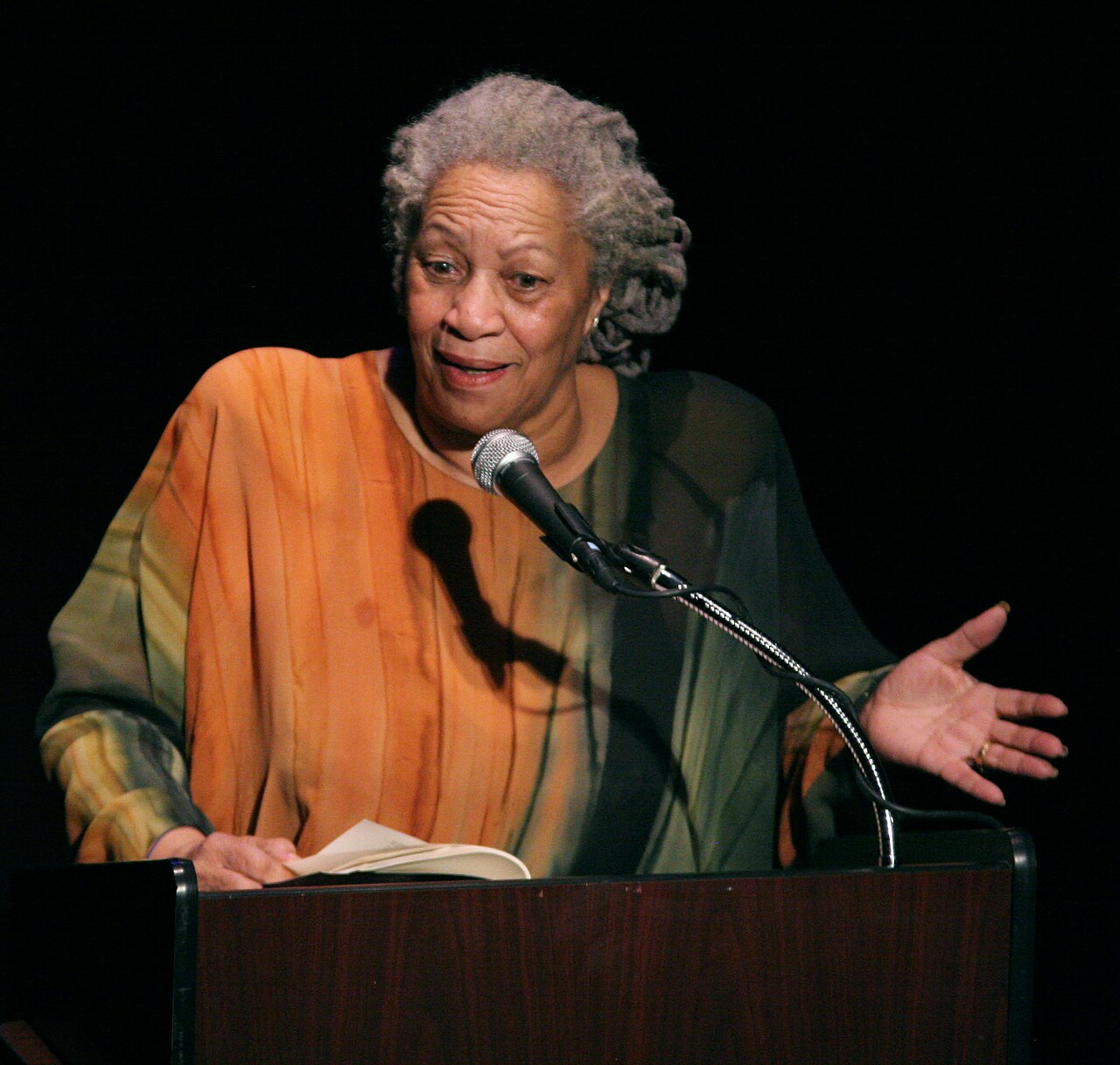
Toni Morrison (born Chloe Ardelia Wofford; February 18, 1931 – August 5, 2019) was an American novelist, editor, and teacher whose fiction examined African American life, memory, identity, and the aftereffects of slavery. She earned international recognition for her lyrical prose, complex characters, and unflinching engagement with race, gender, and history. For a general introduction to her life and career see a concise biography.
Image gallery
10 Images



Early life and career
Morrison was born in 1931 in the industrial Midwest to a working-class family and was the second child. She trained as a teacher and later completed graduate study in literature. Early in her professional life she worked as an editor, helping to bring Black writers and literature to wider audiences. She also taught at several universities and held a long-term professorship that influenced generations of students and scholars; for institutional archives and records see relevant collections.
Major works and recurring themes
Her first novel, The Bluest Eye (1970), introduced themes she would revisit throughout her career: community, trauma, beauty standards, and the psychological impact of racism. Later novels expanded both scale and ambition and combined realist narrative with mythic elements. Notable books include:
- The Bluest Eye (1970)
- Sula (1973)
- Song of Solomon (1977)
- Beloved (1987)
- Jazz (1992)
Beloved, inspired by the history of slavery and its lingering effects, won wide critical acclaim and was adapted for film; a dramatized version featuring Oprah Winfrey drew mainstream attention to the novel and its themes (film adaptation).
Awards, recognition, and legacy
Morrison received some of the highest honors available to writers, and her work reshaped both American letters and the study of African American culture. Her awards include a Nobel Prize in Literature, which recognized the power and breadth of her storytelling, and a Pulitzer Prize for Fiction for Beloved. She was also a recipient of national honors acknowledging her influence on culture and public life; for an overview of major recognitions see awards and citations.
Style and influence
Morrison's prose is often described as lyrical and dense, combining elements of oral storytelling, folklore, and psychological realism. She foregrounded the interior lives of her characters while situating personal experience within broader historical and social forces. Her work has had a lasting effect on contemporary writers, scholars, and readers, and her novels are frequently taught in classrooms that explore literature, history, and social justice.
Later years and death
In her later years Morrison continued to publish novels, essays, and public commentary. She remained a prominent cultural figure until her death in 2019 at age 88. Reporting on her passing noted both the end of a major literary career and the continuing vitality of the conversations her work inspired; for contemporary remembrances and reporting see coverage of her death.
Morrison's reputation rests on a body of work that transformed how American fiction represents race, memory, and the legacies of slavery. Her novels continue to be read, debated, and taught around the world, and her influence can be seen across literature, film, and critical discourse.
Further resources and interviews are available through selected collections and digital exhibits which preserve recordings, drafts, and correspondence related to her career (more).
Selected reference points: see biographical outlines, major book summaries, film adaptations, institutional archives, and award listings at the cited resources above for deeper study.
Note: this summary uses broadly known facts about Morrison's life and work without attempting to reproduce archival materials or unpublished sources; for original documents consult the institutional links and collections referenced here (archives).
For a focused account of the Nobel recognition and citation, consult the relevant prize materials and announcements (Nobel information).
For discussion of her cultural impact and film adaptations see coverage of adaptations and retrospective essays compiled after her death (obituaries and remembrances).
Questions and answers
Q: Who was Toni Morrison?
A: Toni Morrison was an African-American author who wrote about racial discrimination and changed African-American history.
Q: How many children did Toni Morrison have?
A: The text does not mention how many children Toni Morrison had.
Q: What did Toni Morrison normally write about?
A: Toni Morrison normally wrote about racial discrimination, mainly the dislike of blacks.
Q: Did Toni Morrison win any awards for her writing?
A: Yes, Toni Morrison won awards for writing some books.
Q: Who were the people that Toni Morrison looked up to for her good writing?
A: The people that Toni Morrison looked up to for her good writing were B.W.Jones and A.I.Vinson.
Q: What was Toni Morrison's first novel about?
A: Toni Morrison's first novel, The Bluest Eyes, is the story of a girl ruined by a racist society and its violence.
Q: Was one of Toni Morrison's books turned into a movie?
A: Yes, one of Toni Morrison's books, Beloved, was made into a movie in 1998 and starred Oprah Winfrey.
Author
AlegsaOnline.com Toni Morrison: life, work, and literary legacy Leandro Alegsa
URL: https://en.alegsaonline.com/art/132161