
Tom Wills: Pioneer of Australian football and colonial sportsman
Tom Wills (1835–1880) was an influential Australian cricketer and athlete who helped develop the rules of Australian Rules Football and shaped sport in colonial Victoria.
Thomas Wentworth "Tom" Wills was a prominent 19th-century Australian sportsman whose activities in cricket and football left a lasting imprint on the nation's sporting culture. Born in New South Wales in 1835, he trained at Rugby School in England and later returned to Australia where he combined his experience of English public-school games with local practices to help formulate a new style of football. Wills is widely cited as one of the principal figures involved in drafting the first Laws of Australian Football, and he remained a notable cricketer throughout his life.
Image gallery
10 Images


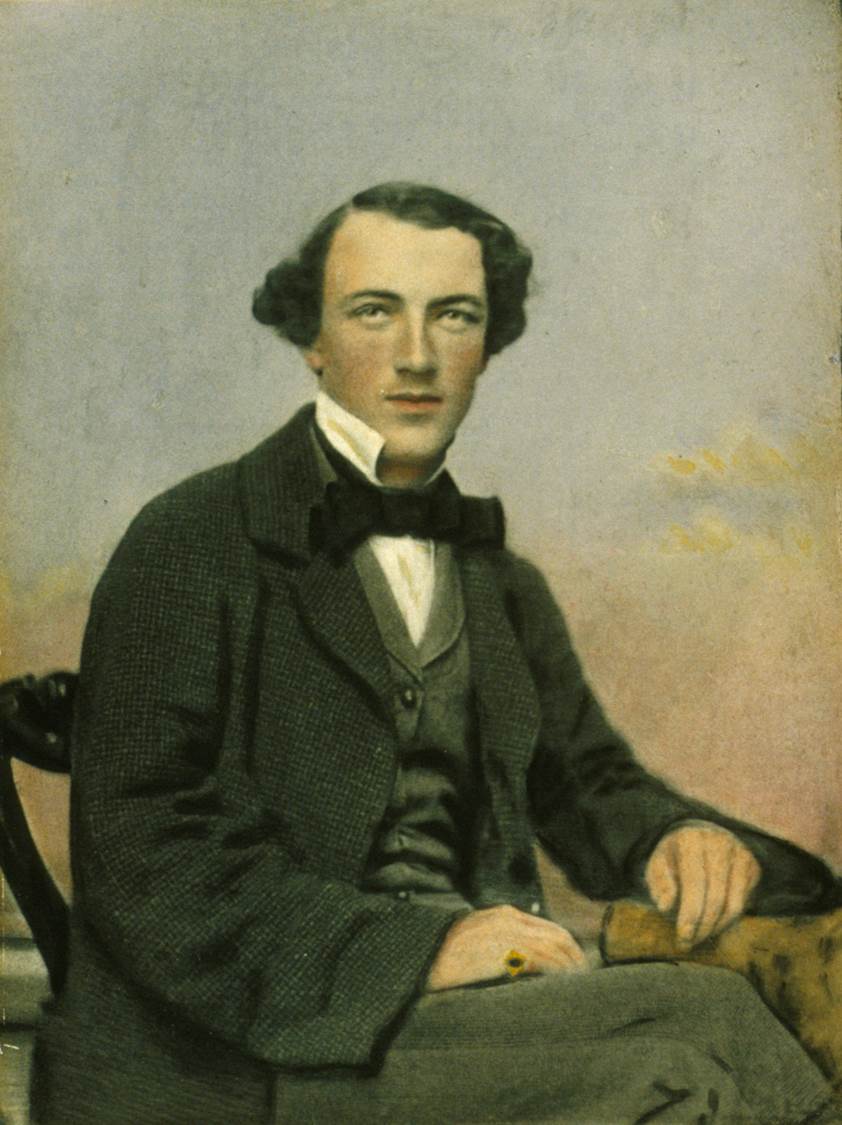
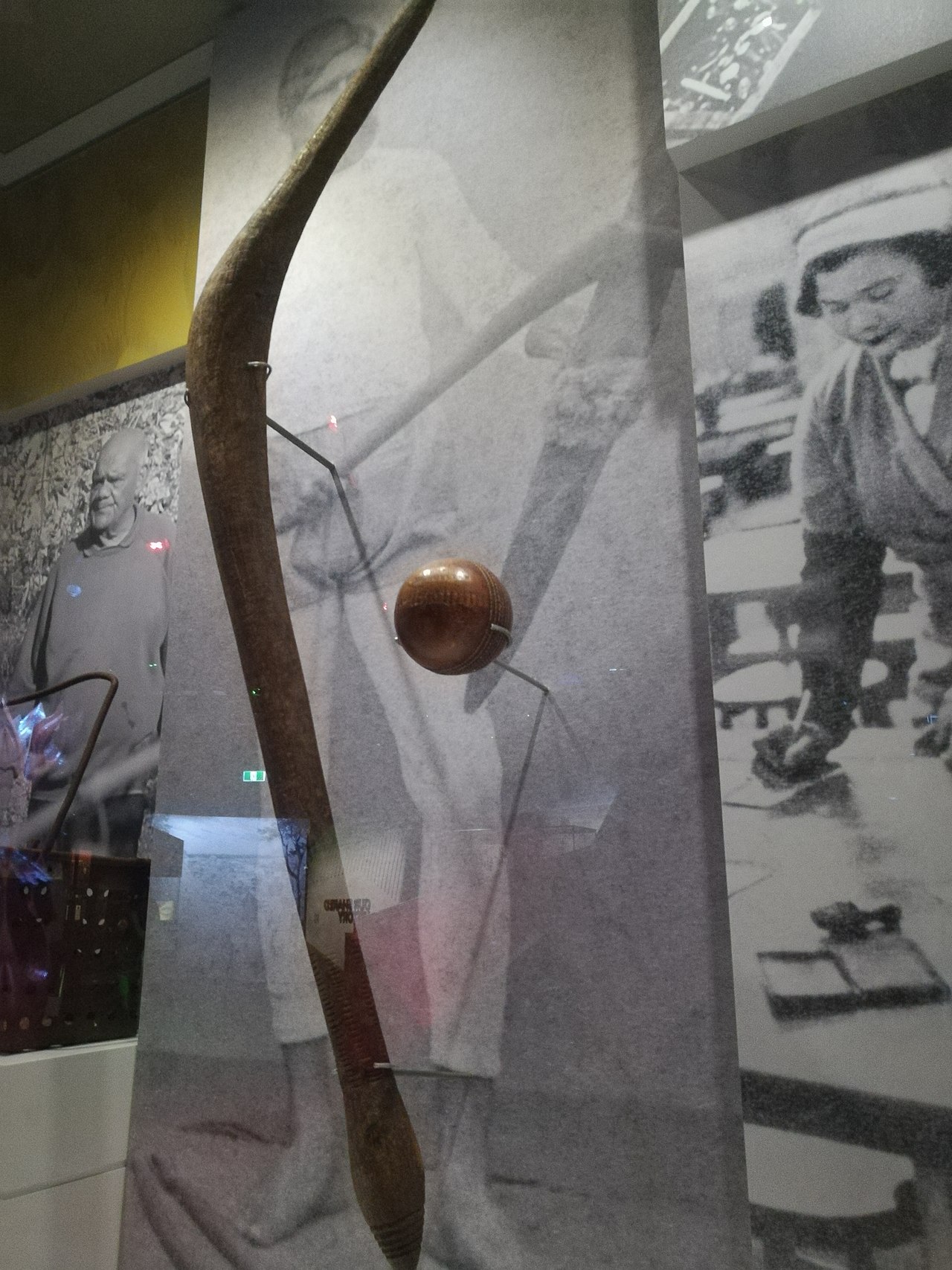


Early life and education
Wills grew up on a pastoral property in south-eastern New South Wales. He spent his childhood among settler and Indigenous communities and became fluent in a local Aboriginal language. From his early teens he was sent to England to attend Rugby School, where he played both rugby football and cricket at a high level. Contemporary accounts describe him as one of the most promising youth cricketers of his time, and he captained school teams before returning to Australia to continue a sporting career.
Creating a new football code
In the late 1850s, Wills and several colleagues met to devise a set of rules for a winter team game that would keep cricketers fit between seasons. The rules they produced in 1859 drew on elements of various football traditions — including aspects of rugby, soccer-style kicking and contemporary Irish games — to produce a distinct form of play. Collaborators included his cousin and local players; key names associated with the early code are often listed together:
- Henry Colden Harrison
- W. J. Hammersly
- J. B. Thompson
The new code emphasized continuous play, high marking (catching), and long kicking. Over subsequent years it evolved into what is now known as Australian Rules Football, the dominant football code in several Australian states.
Cricket career and sporting influence
Alongside his involvement with football, Wills was a serious cricketer who played and promoted the game in colonial Victoria. He used his training and connections to organise matches, coach younger players, and advocate for competitive fixtures between colonies. His reputation as an all-round sportsman — someone skilled in batting, fielding and general athleticism — helped bridge informal colonial contests and more organised club competition.
Indigenous influence and cultural context
Wills's childhood contact with local Aboriginal communities has prompted discussion about cross-cultural influences on the early game. Some historians and commentators point to resemblances between aspects of the newly devised code and traditional Aboriginal ball games, such as Marn Grook. Wills's familiarity with Indigenous language and play in his youth makes it plausible that these experiences informed his ideas, though the precise extent of influence is a subject of ongoing scholarly interest.
Later life, struggles and death
In later years Wills suffered personal difficulties, including periods of heavy drinking and social isolation. Historical records indicate his health and circumstances deteriorated, and he died in 1880 after sustaining a self-inflicted wound; contemporary inquests recorded the death as suicide. Discussions of his life often treat his sporting achievements and tragic end together, reflecting both his importance to Australian sport and the pressures he faced.
Legacy
Tom Wills is remembered as a foundational figure in Australian sporting history. He is credited with helping to formalise a football code suited to colonial conditions and with advancing cricket in Victoria. His life and work are the focus of biographies, academic studies and cultural debate, particularly regarding the role of Indigenous practices in the game's origins. For further reading, see sources on his sporting career and the development of Australian rules and cricket across the colonies.
Related topics and references: sportsman, New South Wales birthplace, connections to Gaelic-style games, Indigenous Australian contacts, alcohol and health, records of his death, contemporary accounts of his wound, early rugby influences.
Questions and answers
Q: Who was Thomas Wentworth "Tom" Wills?
A: Thomas Wentworth "Tom" Wills was an Australian all-round sportsman who helped invent Australian Football and wrote the Laws of Australian Football.
Q: Where was he born?
A: He was born in south-east New South Wales, Australia either near Gundagai or Queanbeyan.
Q: What did he do while at school?
A: While at school, he played both rugby football and cricket very well. By his final year in England, he was captain of the Rugby XI and listed in Bells Sporting Life as one of the most promising young cricketers in England.
Q: What game did Wills create?
A: Wills created a set of football rules that were like a cross between rugby, soccer and Gaelic football for cricketers to keep in shape during the off-season (winter). This game is now known as Australian Rules Football.
Q: Was there any influence from Indigenous Australians on this game?
A: Yes, it has been suggested that Australian Rules Football is based in part on Marn Grook, an Aboriginal game with some similar rules to Australian Rules Football. Because the indigenous people Wills played with as a child would have played Marn Grook, it is likely that this influenced him when creating the rules for Australian Rules Football.
Q: How did Tom Willis die?
A: Tom Willis died by suicide by stabbing himself in the heart.
Author
AlegsaOnline.com Tom Wills: Pioneer of Australian football and colonial sportsman Leandro Alegsa
URL: https://en.alegsaonline.com/art/132153