
Tom Simpson: English Professional Cyclist and the Mont Ventoux Tragedy
Overview of Tom Simpson, his cycling career, the circumstances of his death on Mont Ventoux in 1967, and the subsequent impact on professional cycling and anti‑doping awareness.
Overview
Tom Simpson (30 November 1937 – 13 July 1967) was an English professional road racing cyclist who rose to prominence in the 1950s and 1960s. He competed at the highest level of European professional racing, earning recognition for his aggressive style and willingness to contest one‑day classics and stage races. His career and untimely death made him one of the most discussed figures in British cycling history.
Image gallery
10 Images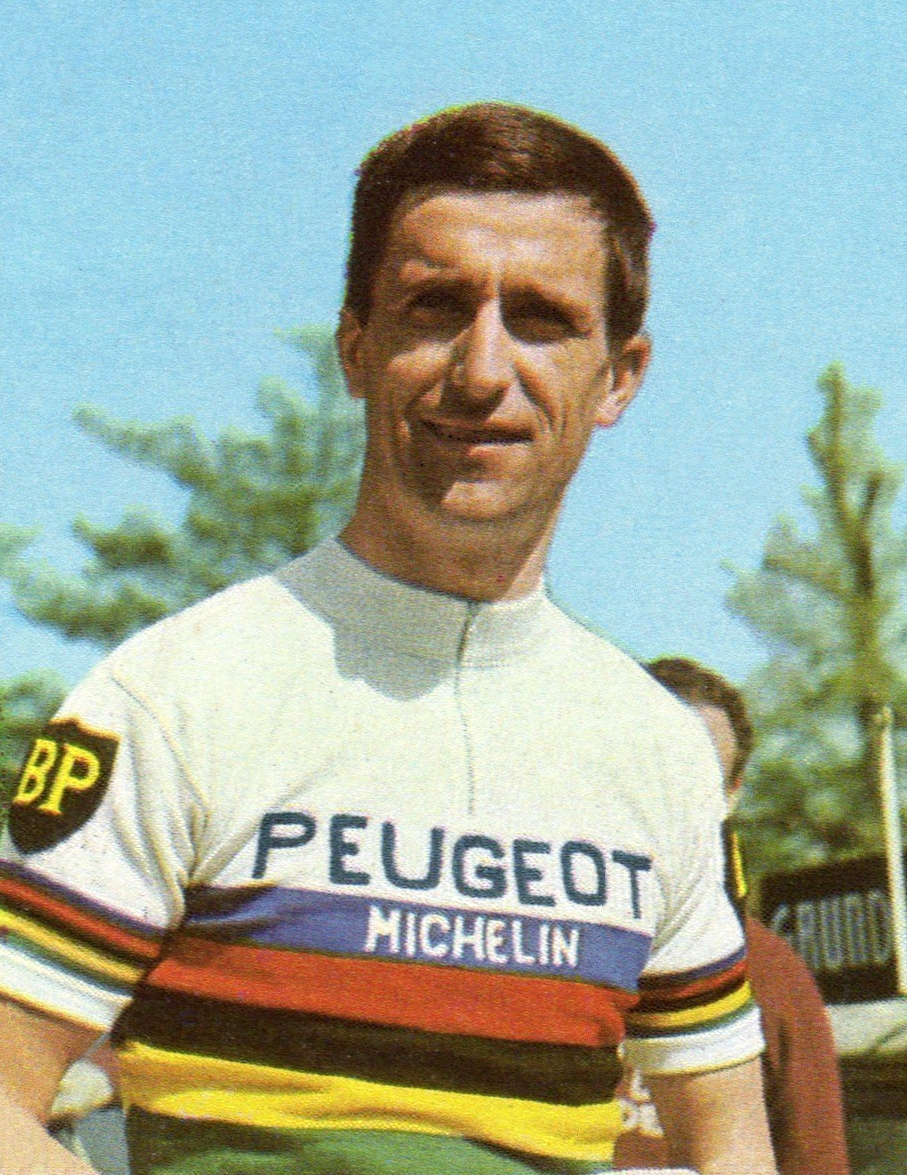


Career and riding style
Simpson rode for professional teams on the continental circuit and was among the first British riders to establish a consistent presence in major European events. He was known for his endurance on long, hard days, an ability to race in a variety of terrain, and a reputation as a combative competitor. His successes helped raise the profile of British cycling internationally at a time when few riders from Britain were regulars on the professional scene.
Death on Mont Ventoux
On 13 July 1967 Simpson collapsed and died while climbing Mont Ventoux during the 13th stage of the Tour de France. The incident occurred during a hot and demanding ascent. A subsequent autopsy found evidence of amphetamines and alcohol in his system. Contributing conditions reported at the time included extreme heat, the severity of the climb, physical exhaustion, and a stomach complaint. Contemporary reports and later analyses treated the combination of these factors as central to the fatal outcome.
Factors and immediate consequences
- Heat and dehydration on the exposed slopes of Mont Ventoux.
- High physical exertion during a major mountain stage.
- Evidence of stimulant use and alcohol presence determined after his death.
- Medical issues such as a reported stomach upset that likely worsened his condition.
Legacy and impact
Simpson’s death focused public and official attention on the use of performance‑enhancing substances in cycling and sport more broadly. It contributed to demands for greater medical supervision, testing, and regulation inside professional cycling. Historians and commentators often cite the case when discussing the evolution of anti‑doping rules and athlete safety measures. The episode is also remembered as a tragic reminder of the risks athletes face when extreme physical strain and substance use intersect.
Memorials and remembrance
Tom Simpson is commemorated at Mont Ventoux and in his native Britain. Memorials and annual remembrances honor his career and note the circumstances of his death, while debates about doping and athlete welfare continue to reference his case as a turning point. The incident remains an important chapter in the history of cycling and in conversations about sports ethics, medical oversight, and the pressures on elite competitors to perform in demanding conditions (doping awareness).
Questions and answers
Q: Who was Tom Simpson?
A: Tom Simpson was an English road racing cyclist.
Q: How did Tom Simpson die?
A: Tom Simpson died of exhaustion on the slopes of Mont Ventoux while riding the 13th stage of the Tour de France in 1967.
Q: What did the post mortem reveal about Tom Simpson's death?
A: The post mortem revealed that Tom Simpson had taken amphetamines, which along with brandy, the hard climb up Mont Ventoux, the hot conditions, and a stomach complaint was fatal.
Q: What was the cause of Tom Simpson's fatal doping?
A: The cause of Tom Simpson's fatal doping was a combination of factors including the amphetamines he took, brandy, the hard climb up Mont Ventoux, the hot conditions, and a pre-existing stomach complaint.
Q: When did Tom Simpson die?
A: Tom Simpson died on 13 July 1967.
Q: What was Tom Simpson's profession?
A: Tom Simpson was a road racing cyclist.
Q: Where did Tom Simpson die?
A: Tom Simpson died on the slopes of Mont Ventoux while riding the 13th stage of the Tour de France in 1967.
Author
AlegsaOnline.com Tom Simpson: English Professional Cyclist and the Mont Ventoux Tragedy Leandro Alegsa
URL: https://en.alegsaonline.com/art/132136