
Tim Hunt — biochemist who discovered cyclins and shared the 2001 Nobel Prize
English biochemist Tim Hunt (born 1943) discovered cyclins, proteins that control the cell cycle, and shared the 2001 Nobel Prize for work that transformed cell biology and cancer research.
Sir Richard Timothy Hunt (born 19 February 1943 in Neston, Cheshire) is an English biochemist best known for identifying a class of proteins called cyclins that help regulate the eukaryotic cell cycle. Commonly referred to as Tim Hunt, his research helped establish how cells progress through division and how molecular timers coordinate complex events such as DNA replication and mitosis.
Image gallery
3 Images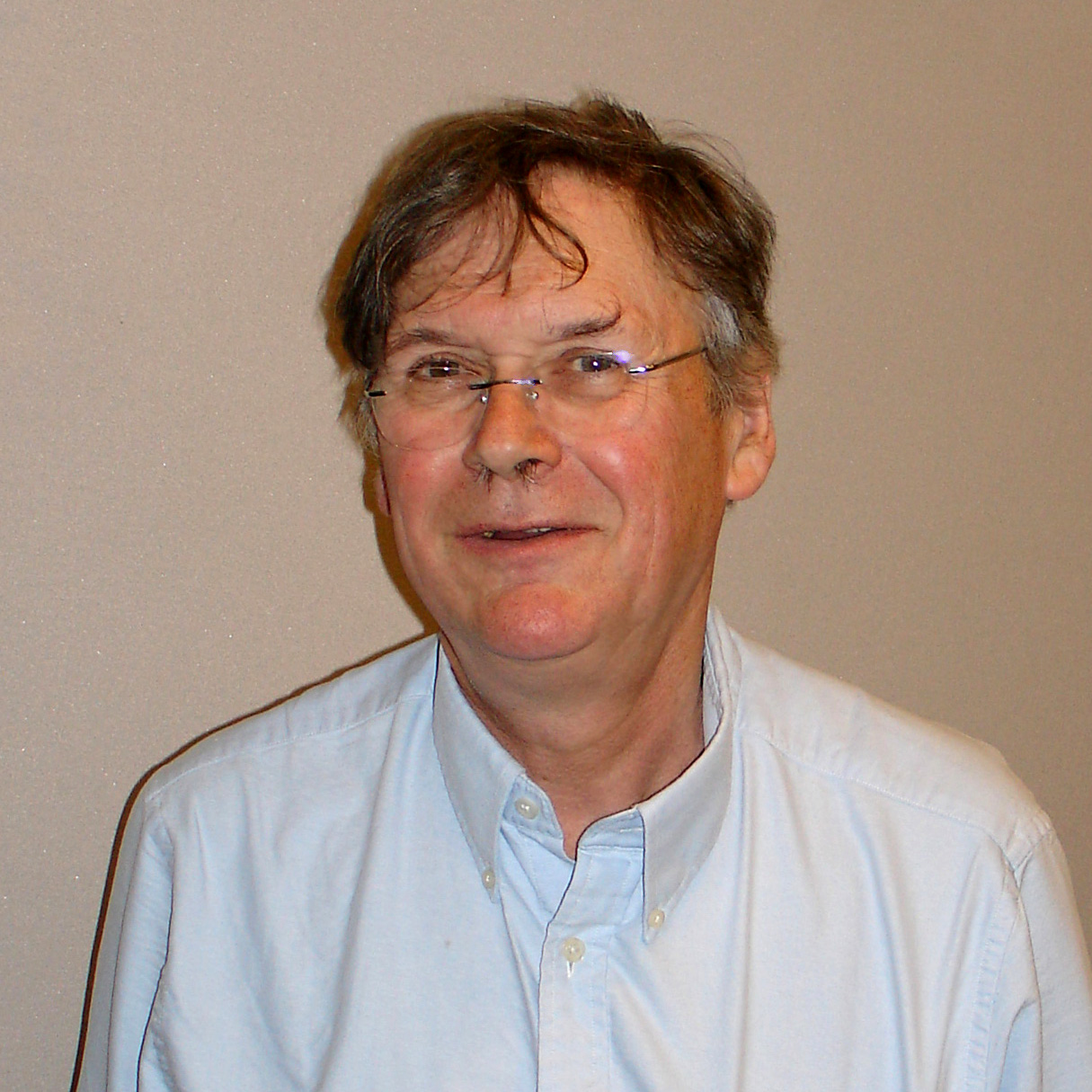


Discovery and scientific contribution
While studying early embryonic cells, Hunt observed a protein whose abundance rose and fell in synchrony with cell division. He named these proteins cyclins because their levels cycled during each division. Subsequent work showed that cyclins act together with cyclin-dependent kinases (CDKs) to trigger transitions between phases of the cell cycle — a conceptual advance that clarified the biochemical control of cell division. Hunt also demonstrated that cyclins are synthesized after fertilization and that similar regulatory proteins operate in vertebrate cells, making the mechanism broadly relevant across animals.
Career and recognition
Hunt carried out much of his work in established molecular biology laboratories in the United Kingdom and collaborated broadly with researchers studying cell-cycle control. For his contributions to understanding the biochemical basis of cell-cycle regulation, he shared the 2001 Nobel Prize in Physiology or Medicine with Paul Nurse and Leland H. Hartwell. The award recognized the identification of key molecules that coordinate cell division and ushered cyclins and CDKs into the core curriculum of cell biology.
Importance and applications
The discovery of cyclins reshaped how scientists think about growth control, development and cancer. Because tumor cells often have defects in cell-cycle regulation, the cyclin–CDK framework provided targets and conceptual tools for cancer research, diagnostics and drug development. Beyond oncology, knowledge of cell-cycle machinery informs stem cell biology, developmental biology and efforts to understand aging and tissue regeneration.
Key features and legacy
- Oscillating proteins: cyclins rise and fall in concentration to time cell-cycle events.
- Conserved mechanism: similar molecules control division in diverse eukaryotes, from eggs to human cells.
- Practical impact: guided research into cancer causes and treatments and influenced laboratory techniques for studying cell-cycle checkpoints.
Notable facts and later developments
Hunt’s discovery remains a foundational example of how careful biochemical observation can reveal universal biological principles. In later years he continued to be active in the scientific community; he has also been the subject of public discussion around comments he made at a conference that led to criticism and the relinquishing of some honorary roles. Regardless, his work on cyclins is widely cited and continues to shape research into cellular proliferation and disease.
For further reading on Hunt’s life, work and the broader context of cell-cycle research, consult resources on molecular cell biology and relevant biographies and reviews in scientific literature. Additional background and source materials are available via institutional and review pages linked here as starting points: biochemistry resources, cell division overview, and general references linked for context (birthplace, profession, Nobel co-recipient, cyclins, vertebrate cell studies).
Questions and answers
Q: Who is Tim Hunt?
A: Tim Hunt is an English biochemist who was born in Neston, Cheshire in February of 1943.
Q: What is Tim Hunt known for?
A: Tim Hunt is known for his work on cell division, which earned him the Nobel Prize in Physiology or Medicine in 2001.
Q: Who did Tim Hunt share his Nobel Prize with?
A: Tim Hunt shared his Nobel Prize in Physiology or Medicine with Paul Nurse and Leland H. Hartwell.
Q: What did Tim Hunt, Paul Nurse, and Leland H. Hartwell discover?
A: Tim Hunt, Paul Nurse, and Leland H. Hartwell discovered the molecules which control cell division.
Q: What are cyclins and what role do they play in regulating the cell-division cycle?
A: Cyclins are proteins that regulate the cell-division cycle. They play a key role in regulating the progression of the cell-division cycle.
Q: When do cyclins begin to be synthesized?
A: Cyclins begin to be synthesized after eggs are fertilized.
Q: Where are cyclins present and what do they regulate?
A: Cyclins are present in vertebrate cells and they also regulate the cell cycle.
Author
AlegsaOnline.com Tim Hunt — biochemist who discovered cyclins and shared the 2001 Nobel Prize Leandro Alegsa
URL: https://en.alegsaonline.com/art/131936