
Tibor Sekelj: Explorer, Polyglot, and Promoter of Esperanto
Biography of Tibor Sekelj (1912–1988), an explorer, travel writer, polyglot and advocate of Esperanto who traveled widely in South America, Africa and Asia and wrote about people and cultures.
Overview
Tibor Sekelj (14 February 1912 – 20 September 1988) was a 20th-century explorer, travel writer and multilingual cultural mediator. Trained in law, he became best known for long journeys across South America, Africa and Asia and for writing about the peoples and places he visited. Sekelj was also an active participant in the international Esperanto movement and a member of the Academy of Esperanto.
Image gallery
3 Images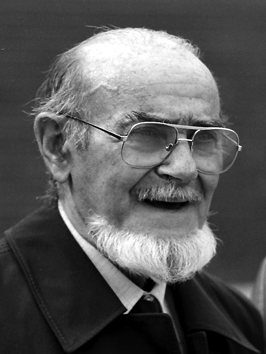


Background and professions
Sekelj combined several careers. He held qualifications in law and practiced as a lawyer, but his public reputation rests on exploration and writing. He published numerous travel accounts, essays and narratives intended for both adult and younger readers. Many of his works were either written originally in Esperanto or translated into it, reflecting his long engagement with the language.
Travels and field work
Over several decades Sekelj undertook extended journeys through South America, Africa and Asia. His travel routes took him into remote regions where he lived among indigenous communities, studied local customs, and recorded folkloric material. These experiences formed the basis of his books and articles, which aimed to convey direct impressions of landscapes and everyday life to a broad readership.
Language and Esperanto activities
Sekelj was a polyglot and a committed advocate of Esperanto, the constructed international auxiliary language. He served on the Academy of Esperanto and was an honorary member of the Universal Esperanto Association (UEA). Through lectures, essays and fiction he promoted cross-cultural dialogue using Esperanto as one practical tool for international communication. Readers can find more about his literary output and language work via general references to his roles as a writer and an Esperanto advocate (Esperanto).
Recognition and legacy
Sekelj received recognition within the Esperanto community and among readers of travel literature. He contributed ethnographic observations and popular accounts that introduced many readers to distant cultures and languages. His life illustrates the mid-20th-century currents that linked exploration, popular scholarship and internationalist language projects.
Further reading and resources
- Biographical summaries and bibliographies: consult specialist pages and collections of travel literature (South America, Africa, Asia).
- Organizational records: information is also preserved in Esperanto organizational histories and memorials (Esperanto and UEA records).
Born into a Jewish family, Sekelj's career spanned the interwar and postwar periods; he remains a figure of interest to readers of travel writing, to historians of Esperanto, and to those studying cultural encounters in the 20th century.
Questions and answers
Q: Who was Tibor Sekelj?
A: Tibor Sekelj was an explorer, writer and lawyer.
Q: Where did he travel?
A: He traveled a lot in South America, Africa and Asia.
Q: What languages did he speak?
A: He spoke many languages, including Esperanto, the made up international language.
Q: Was he a member of any organizations related to Esperanto?
A: Yes, he was a member of the Academy of Esperanto and honorary member of the Universal Association of Esperanto (UEA).
Q: Did he write books in Esperanto?
A: Yes, he wrote books in Esperanto.
Q: What kind of family did Tibor come from?
A: He came from a Jewish family.
Author
AlegsaOnline.com Tibor Sekelj: Explorer, Polyglot, and Promoter of Esperanto Leandro Alegsa
URL: https://en.alegsaonline.com/art/131886