
Thomas Menino — Longest-Serving Mayor of Boston
Profile of Thomas M. Menino (1942–2014), Boston native, city councilor and the city's longest-serving mayor, his priorities, leadership style, key initiatives and legacy.
Thomas Michael Menino (December 27, 1942 – October 30, 2014) was an American politician who served as the 53rd mayor of Boston from 1993 to 2014. A lifelong resident of the city, Menino rose through municipal government after serving on the Boston City Council, including a period as council president, before winning the mayoralty. He became the longest-serving mayor in Boston history and remained a prominent local figure until his death in 2014.
Image gallery
10 Images


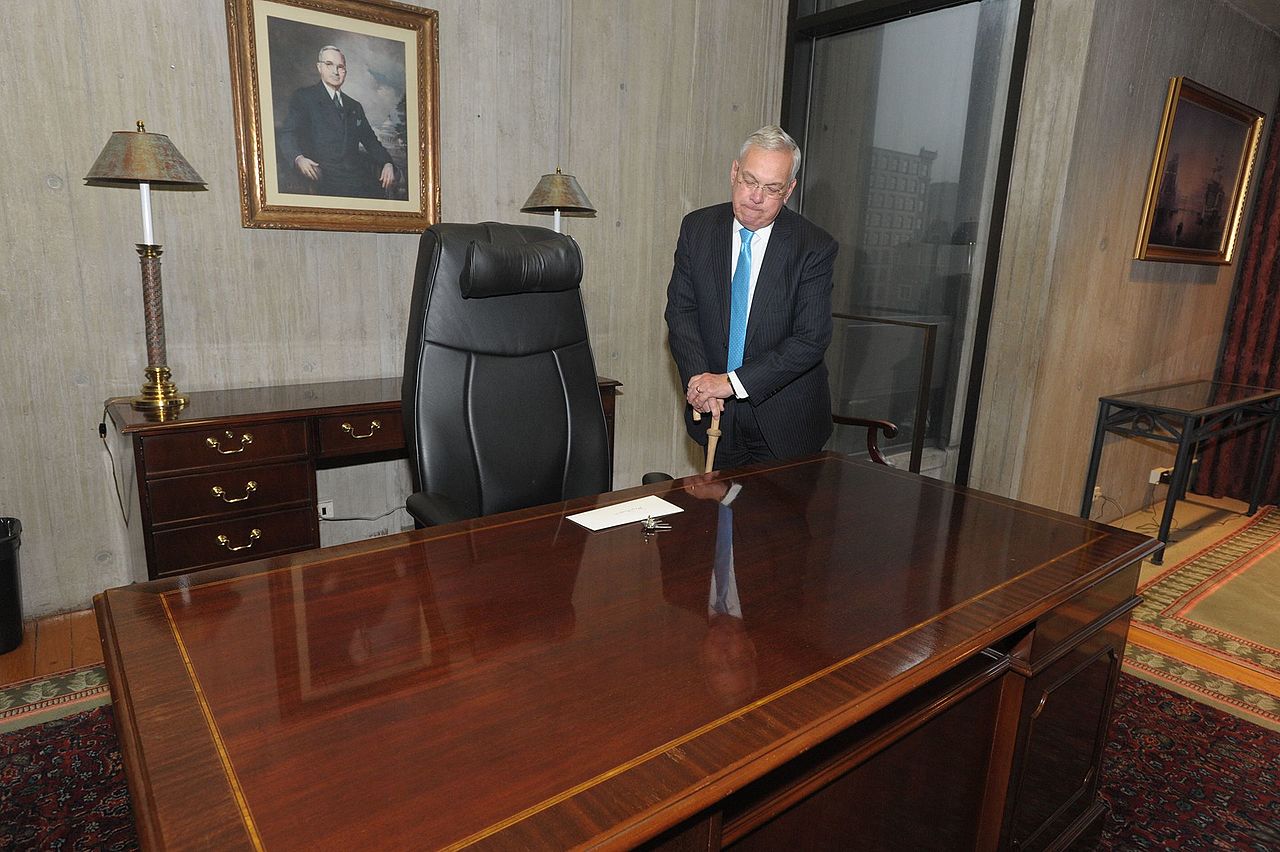


Early life and political rise
Menino came from a working-class neighborhood and was known for his strong neighborhood ties and practical approach to problems. He built a political career at the local level, focusing on constituent service, neighborhood development and municipal operations. His background on the city council shaped a hands-on management style that characterized his time as mayor.
Mayoral tenure and priorities
During his time as mayor, Menino emphasized neighborhood improvements, public safety, economic development and municipal services. He often described his role in pragmatic terms, famously embracing the label "urban mechanic" to describe an executive who fixes everyday problems for residents. His administration pursued projects to revitalize commercial corridors, support local parks and promote job growth, while also engaging with regional and state partners on transportation and development issues.
Style, initiatives and examples
- Hands-on management: regular public appearances and direct engagement with neighborhood concerns.
- Neighborhood focus: programs aimed at improving streets, parks and small-business districts.
- Economic and development priorities: guided growth in key areas of the city and worked to attract investment.
- Education and public health: supported collaborations with schools, hospitals and nonprofits to address local needs.
Observers noted that Menino's strength was retail politics—knowing neighborhoods and constituents—and that he combined that with an ability to work across political lines to secure resources and projects for the city.
Legacy and death
Menino left a complex legacy that mixes visible neighborhood improvements and sustained city growth with debates over development patterns and administrative decisions. After more than two decades in office, he announced he would not seek reelection and returned to private life. Menino died in Boston in 2014; reports cited cancer of unknown primary origin as the cause of death. For more on his life and career, see biographical sources, his record as Mayor of Boston, and information about his illness at medical summaries.
Menino remains a notable figure in Boston civic history for his longevity in office, his emphasis on neighborhood-level government, and the role he played in the city's late-20th and early-21st century development.
Author
AlegsaOnline.com Thomas Menino — Longest-Serving Mayor of Boston Leandro Alegsa
URL: https://en.alegsaonline.com/art/131848