
Thomas Mann: German novelist, Nobel laureate and exile
Paul Thomas Mann (1875–1955), acclaimed German novelist and Nobel Prize winner known for Buddenbrooks, The Magic Mountain and Death in Venice; influential in 20th-century literature and politics.
Overview
Paul Thomas Mann (6 June 1875 – 12 August 1955) was a major German author whose novels and essays shaped twentieth‑century letters. Born in Lübeck, his work combined psychological insight, social satire and philosophic reflection. He received the Nobel Prize in literature in 1929, an acknowledgment of his achievement in portraying family sagas and the tensions of modernity.
Image gallery
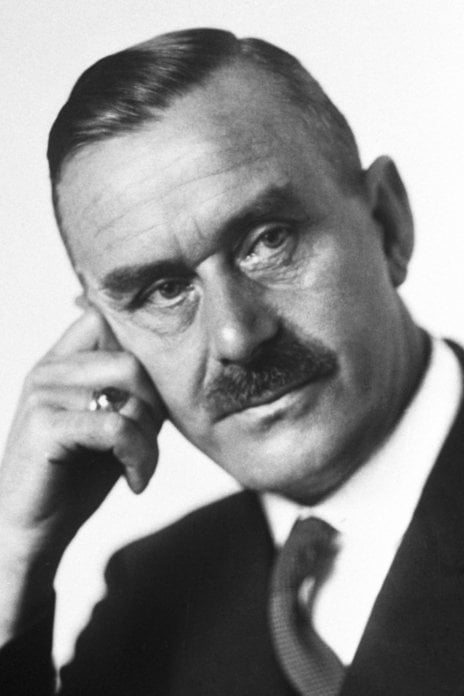
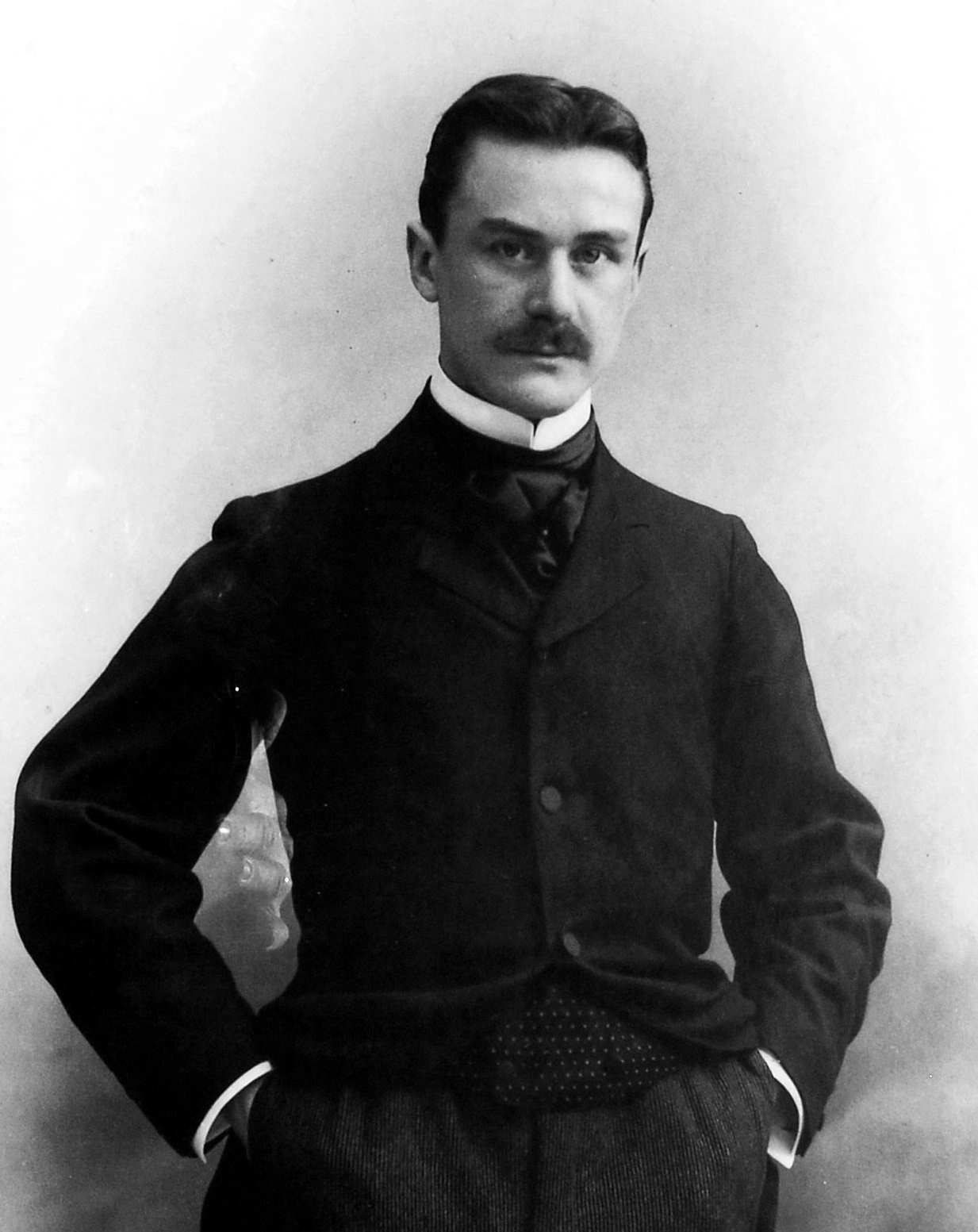
10 Images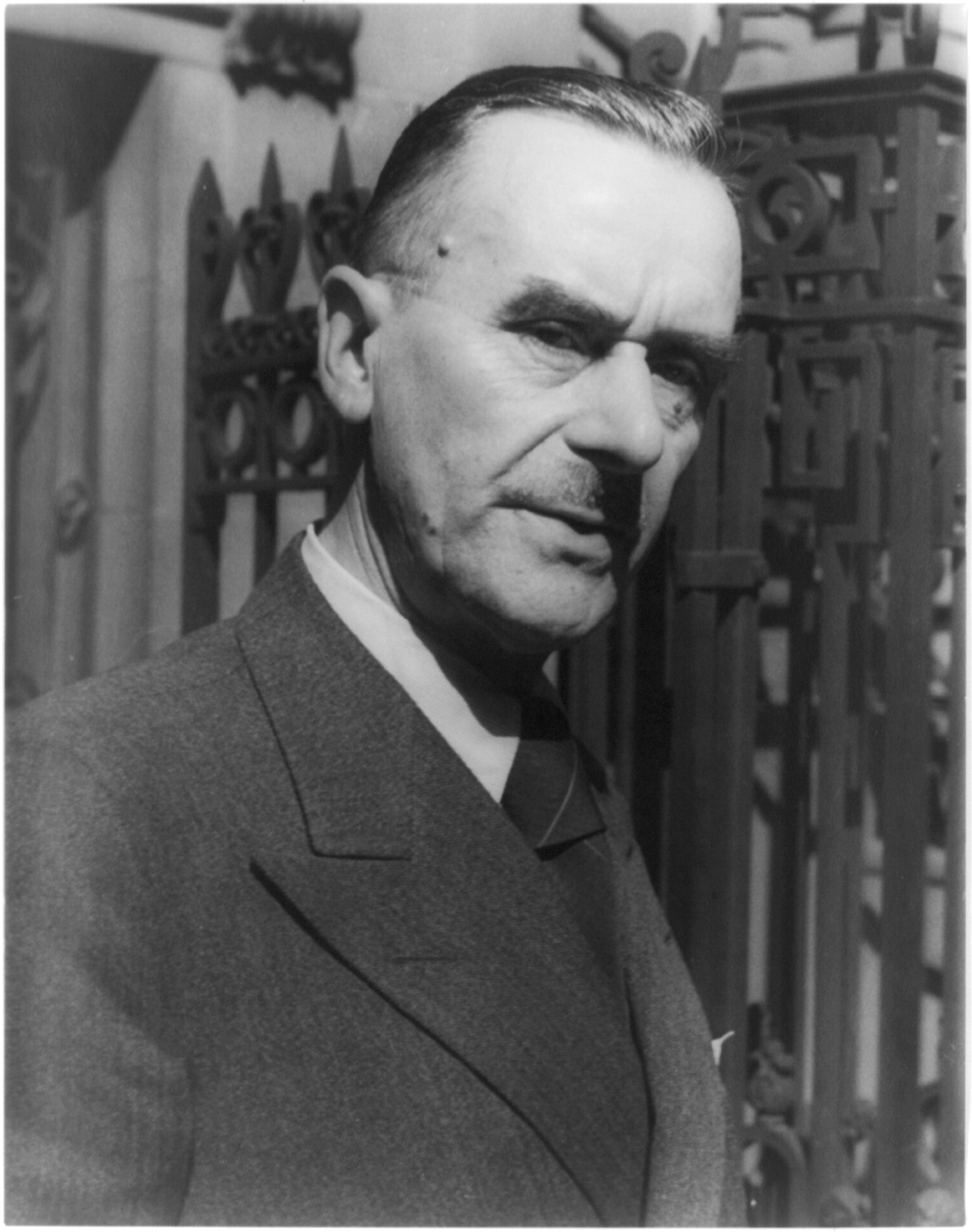



Early life and development
Mann grew up in a prosperous, conservative household and his early family environment informed many themes in his fiction; contemporaneous descriptions often note his upbringing in a conservative milieu. After the death of his father he left formal schooling and moved to Munich, where for a time he worked as an insurance clerk while publishing poems and short prose. His early writing shows philosophical influences, including echoes of thinkers such as Arthur Schopenhauer, combined with a growing command of social observation and narrative technique.
Major works and themes
Mann's fiction ranges from intimate family chronicles to expansive allegories of European culture. His first major success was the multigenerational family novel often translated as Buddenbrooks, which examines decline and bourgeois values. Later masterpieces include the contemplative, discursive novel known in English as The Magic Mountain and the shorter, intense novella Death in Venice. He also produced a lengthy reinterpretation of biblical material in Joseph and His Brothers. Common themes are the conflict between art and life, the psychology of artists and intellectuals, illness and mortality, and the social forces shaping individual destinies.
- Buddenbrooks — family saga and social change
- Death in Venice — aesthetic obsession and crisis
- The Magic Mountain — time, illness and European culture
- Joseph and His Brothers — mythic retelling
Politics, exile and later life
Mann's public positions evolved with the crises of his era. He took a complicated, sometimes ambivalent stance during World War I but later became a defender of democratic values in the era of the Weimar Republic. After the Nazi seizure of power and the targeting of opponents — including suppression of his brother’s work — Mann left Germany and eventually lived abroad. Personal matters, including long‑standing private struggles over sexuality, also informed his self‑understanding and are part of his complex biography (sexual orientation).
In exile he lived and worked in several countries, ultimately spending years in the United States. He lost his German citizenship and for a period held Czechoslovakian nationality before becoming an American citizen; during World War II he made broadcasts and public statements in support of the anti‑Nazi cause, notably using radio and other platforms to address German audiences.
Return, legacy and death
After the war Mann remained a prominent public intellectual, though his relationship with the United States was mixed; he was at one point questioned by anti‑communist investigators. In the early 1950s he spent more time back in Europe and settled in Switzerland, making occasional visits to Germany in the 1950s. He died in Zürich in 1955 of circulatory disease.
Thomas Mann's influence endures through translations, stage and film adaptations, and continuing scholarly attention. His novels remain valued for their formal ambition, moral seriousness and nuanced portraiture of a Europe undergoing rapid cultural and political change.
Questions and answers
Q: When was Paul Thomas Mann born?
A: Paul Thomas Mann was born on 6 June 1875 in Lübeck.
Q: What did his father do?
A: His father was a salesman and senator of the city of Lübeck.
Q: When did he publish his first works?
A: He published his first works in 1898.
Q: Who influenced him when writing Die Buddenbrooks?
A: He was influenced by the work of Arthur Schopenhauer when writing Die Buddenbrooks.
Q: How did he react to World War I?
A: He agreed with the war, but not enthusiastically.
Q: When did he move to the United States?
A: In 1934, both Thomas and Heinrich Mann and their family moved to the United States due to books of his brother Heinrich being burned by Nazis.
Q: Where did he die?
A: He died of atherosclerosis in Zürich, Switzerland in 1955.
Author
AlegsaOnline.com Thomas Mann: German novelist, Nobel laureate and exile Leandro Alegsa
URL: https://en.alegsaonline.com/art/131847