
Boshin War (1868–1869): Collapse of the Tokugawa and the Meiji Restoration
A concise overview of the Boshin War (1868–1869), the Japanese civil war that ended Tokugawa rule and enabled the Meiji Restoration, with causes, major events, foreign roles, and lasting consequences.
Overview
The Boshin War was a brief but decisive civil conflict in Japan fought between 1868 and 1869. It pitted forces loyal to the Tokugawa shogunate against a coalition of domains and factions that sought to restore political authority to the Emperor and to transform Japan’s political order. The struggle is commonly seen as the military phase of the wider Meiji Restoration, a period that replaced the feudal shogunate system with a centralized, modernizing state. For contemporary references and primary material, see sources on the Boshin War.
Image gallery
10 Images
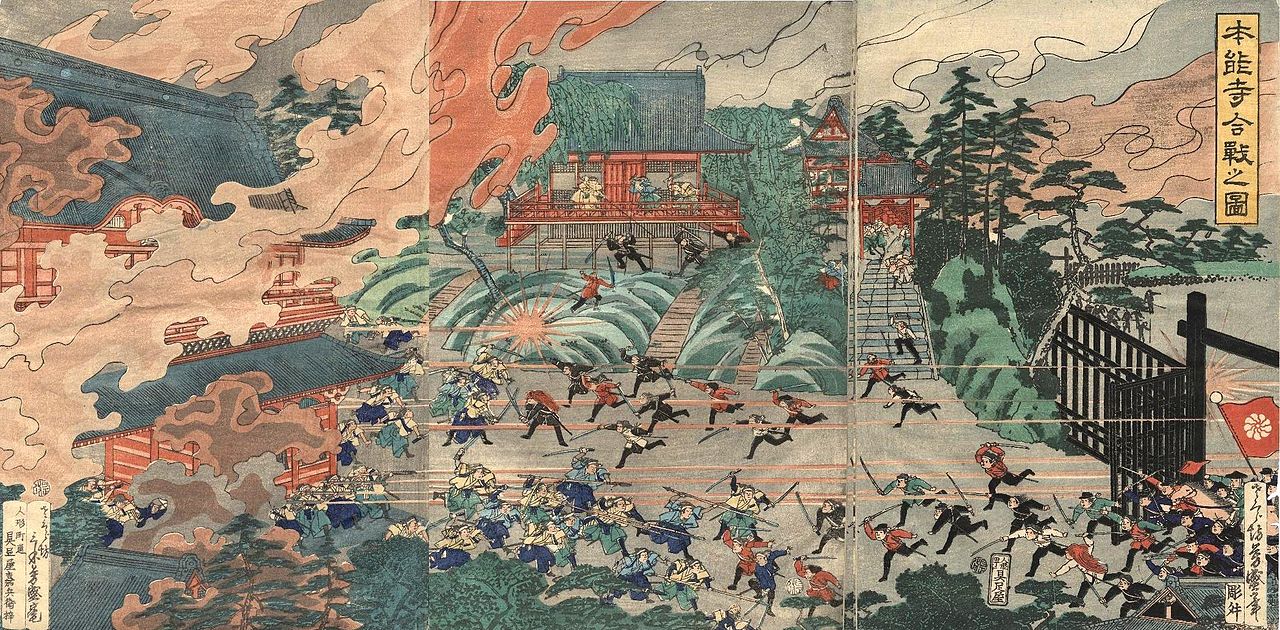

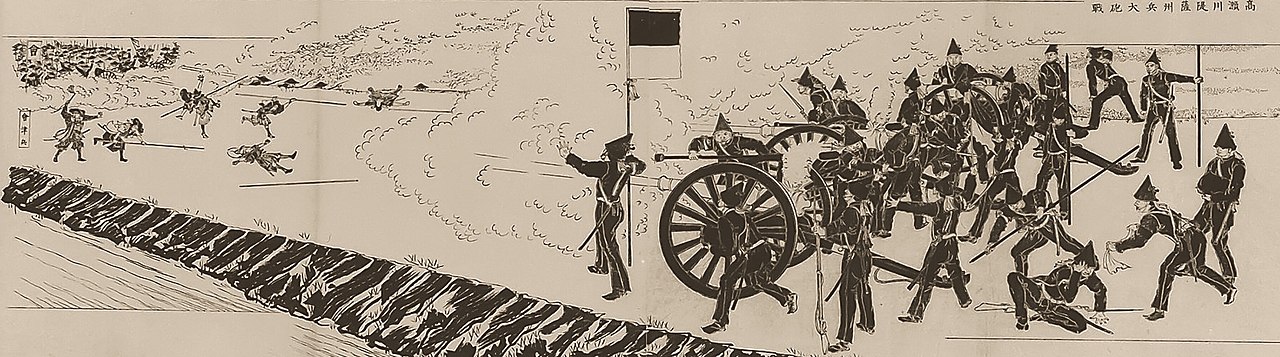

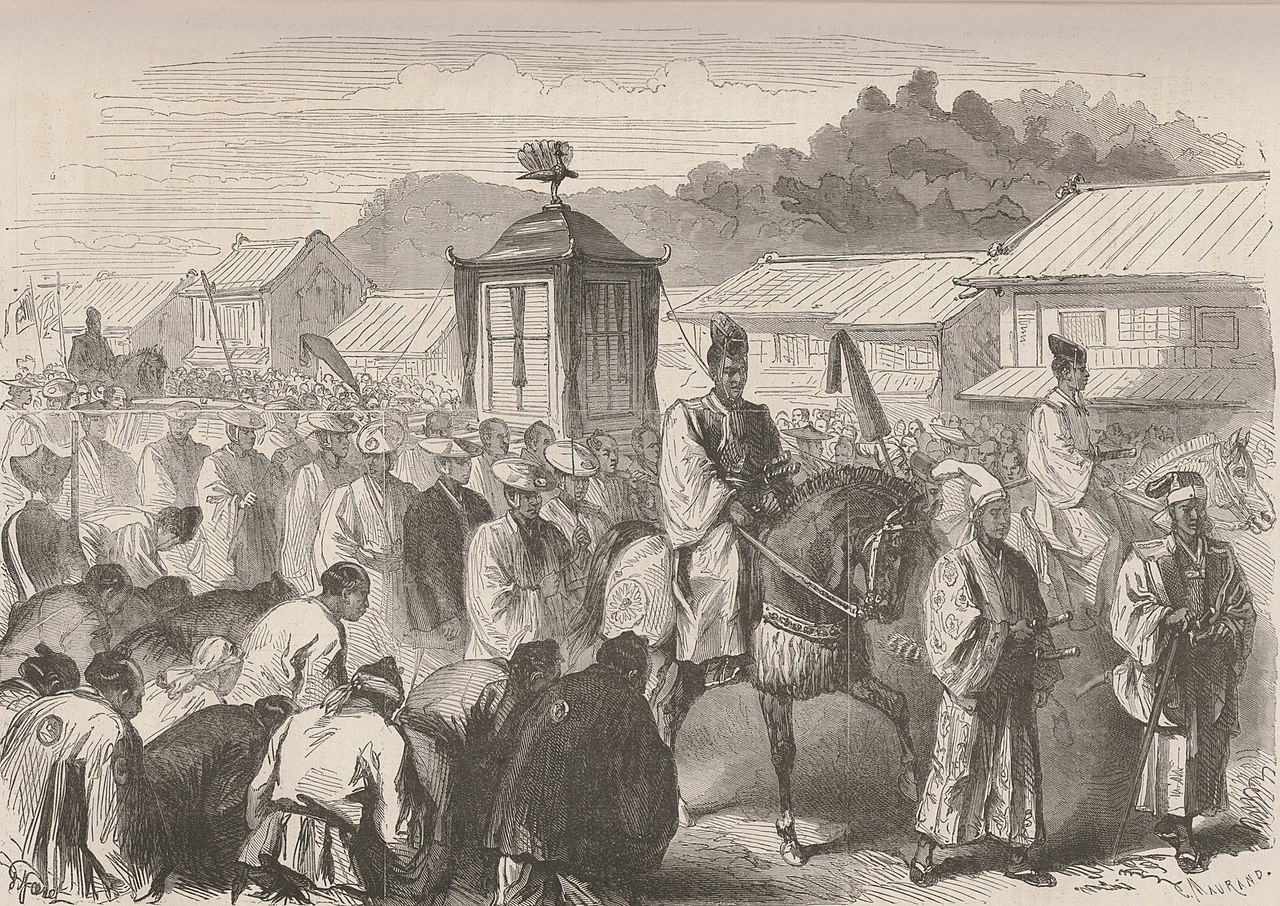
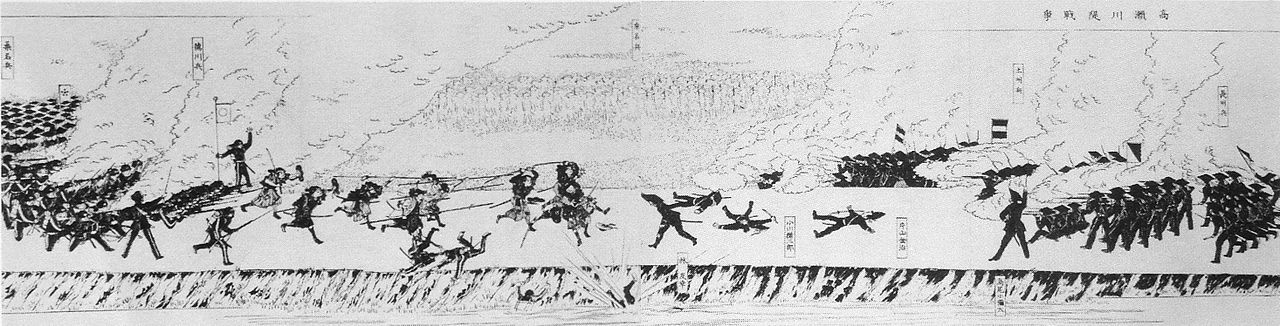


Combatants and organization
The anti-shogunate coalition combined samurai and increasingly modernized units from several powerful domains. Leading participants included the southwestern domains that championed imperial restoration. These domains provided the discipline, leadership and arms that tipped the balance against Tokugawa forces. The opposing side retained many traditional samurai retainers as well as newer units loyal to the shogunate. The conflict thus mixed older feudal military practice with emerging modern organization and weapons. Background material and domain accounts are available via further readings.
Course of the conflict
Fighting began with engagements near the imperial capital region and moved across central and northern Honshu before ending in Hokkaido. Early clashes convinced many observers that the shogunate was losing the initiative; a negotiated surrender of Edo (modern Tokyo) removed the political center from the battlefield and weakened the shogunate’s capacity to continue large-scale resistance. Remnant shogunate forces withdrew north and ultimately made their final stand far from the old power centers. For timelines and battle summaries, consult detailed chronologies.
Foreign involvement and technology
Western military technology and advisory influence affected both sides. Modern rifles, artillery and steam-driven ships were factors in engagements and in the strategic movement of troops. Several Western powers had commercial and diplomatic interests in Japan at the time; foreign advisors and imported armaments helped accelerate a change from samurai-centered armies to forces organized on more modern lines. Broader studies on international influence can be found at related analyses.
Consequences and significance
The Boshin War decisively undermined the Tokugawa political order and cleared the way for the Meiji government to implement sweeping reforms. Those reforms included centralizing administrative authority, creating national institutions, and promoting industrial and military modernization—changes that shaped Japan’s rapid transformation in the following decades. While many institutional reforms came after the fighting, the war’s outcome made such reforms politically possible. For discussion of the transition period and its policies, see Meiji-period studies.
Notable facts and distinctions
Although relatively short, the conflict combined civil war dynamics with the stresses of a society in technological transition. A small, short-lived breakaway polity in the north and the final naval engagements that ended the last organized resistance remain notable episodes. The war is often cited as a turning point that moved Japan from a feudal order toward a centralized, modern nation-state. For additional context and archival materials, explore archival collections.
- Where to read more: concise histories, domain records and contemporary accounts provide complementary perspectives.
- Why it matters: the Boshin War set political conditions that enabled rapid modernization and altered Japan’s role in the region.
Questions and answers
Q: What is the Boshin War?
A: The Boshin War was a civil war in Japan that took place from 1868 to 1869.
Q: Who fought in the Boshin War?
A: The war was fought between the ruling Tokugawa shogunate and those seeking the Meiji Restoration of political power to the Imperial Court.
Q: When did the Boshin War take place?
A: The Boshin War took place from 1868 to 1869.
Q: What was the Meiji Restoration?
A: The Meiji Restoration was a period in Japan's history in which political power was restored to the Imperial Court.
Q: Why did the Boshin War happen?
A: The Boshin War happened because some groups in Japan wanted political power to be restored to the Imperial Court, while the Tokugawa shogunate wanted to maintain their position of power.
Q: What is another name for the Boshin War?
A: The Boshin War is sometimes referred to as the Japanese Revolution.
Q: Who emerged victorious in the Boshin War?
A: The forces seeking the Meiji Restoration emerged victorious in the Boshin War.
Related articles
Author
AlegsaOnline.com Boshin War (1868–1869): Collapse of the Tokugawa and the Meiji Restoration Leandro Alegsa
URL: https://en.alegsaonline.com/art/13184