
Thomas Hobbes — English philosopher of social contract and sovereignty
Thomas Hobbes (1588–1679), English philosopher known for his materialism and political theory in Leviathan, developed influential ideas on the state of nature, social contract, and absolute sovereignty.
Overview
Thomas Hobbes was an English philosopher whose writings on human nature and government shaped modern political thought. Writing during a period of civil war and religious conflict, Hobbes sought to explain how social order could be established and maintained. His approach combined empirical observation with a mechanistic view of nature and human behavior.
Image gallery
8 Images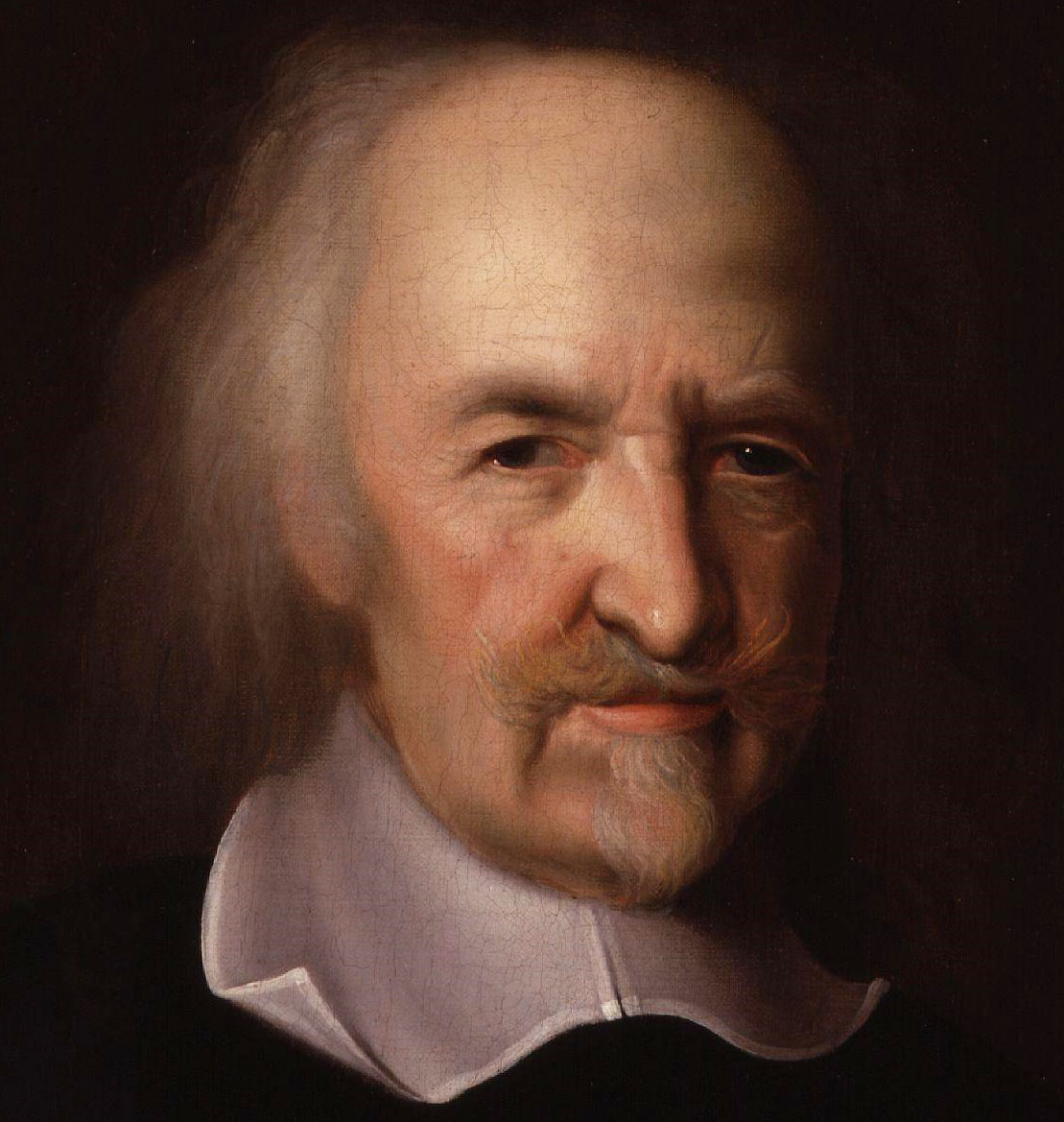


Life and historical context
Born in 1588, Hobbes lived through the English Civil War and the upheavals of the 17th century. Those events influenced his conviction that strong, centralized authority was necessary to avoid disorder. He worked as a tutor and secretary, moved in intellectual circles, and encountered scientific developments that informed his naturalistic outlook.
Major ideas
Hobbes is best known for a set of interrelated doctrines about human beings and political authority. He argued that, in a hypothetical "state of nature," life would be precarious because individuals pursue self-interest. To escape violence and insecurity, people enter a social contract by which they surrender certain freedoms to an authority that can secure peace.
- State of nature: a theoretical condition of insecurity without common power.
- Social contract: voluntary agreement creating political society.
- Sovereignty: central, indivisible authority necessary to maintain order.
- Materialism: the belief that physical processes underlie thought and behavior.
Works and legacy
Hobbes's most famous book is Leviathan (1651), which outlines his political theory and presents vivid metaphors for state power. He also wrote on ethics, law, history, and science. Hobbes's insistence on law and authority influenced later theorists and debates about liberalism, absolutism, and the limits of tolerance.
Importance and criticism
Hobbes remains important for framing questions about security, consent, and legitimacy. Critics have challenged his pessimistic view of human nature and his defense of absolute sovereignty, while others credit him with clarifying why collective institutions are needed. His work continues to be studied across philosophy, political science, and legal theory.
Questions and answers
Q: Who was Thomas Hobbes?
A: Thomas Hobbes was an English philosopher.
Q: When was he born and when did he die?
A: He was born on 5 April 1588 and died on 4 December 1679.
Q: What is his most famous book?
A: His most famous book is Leviathan, which was published in 1651.
Q: Where did Thomas Hobbes live?
A: Thomas Hobbes lived in England.
Q: What type of philosopher was Thomas Hobbes?
A: Thomas Hobbes was a political philosopher.
Author
AlegsaOnline.com Thomas Hobbes — English philosopher of social contract and sovereignty Leandro Alegsa
URL: https://en.alegsaonline.com/art/131835