
Thomas Cromwell, 1st Earl of Essex: Tudor statesman and architect of reform
English lawyer and chief minister to Henry VIII (c.1485–1540). Cromwell centralized government, enabled the English Reformation, supervised the dissolution of monasteries, and was executed after a dramatic fall from power.
Overview
Thomas Cromwell (c. 1485 – 28 July 1540) was an English lawyer, administrator and the chief minister of King Henry VIII during the 1530s. Rising from relatively humble origins, he became one of the most powerful figures in Tudor government. Cromwell is best known for helping to secure Henry VIII's break with Rome, for reorganizing royal administration, and for promoting policies that reduced the independent power of older institutions.
Image gallery
10 Images


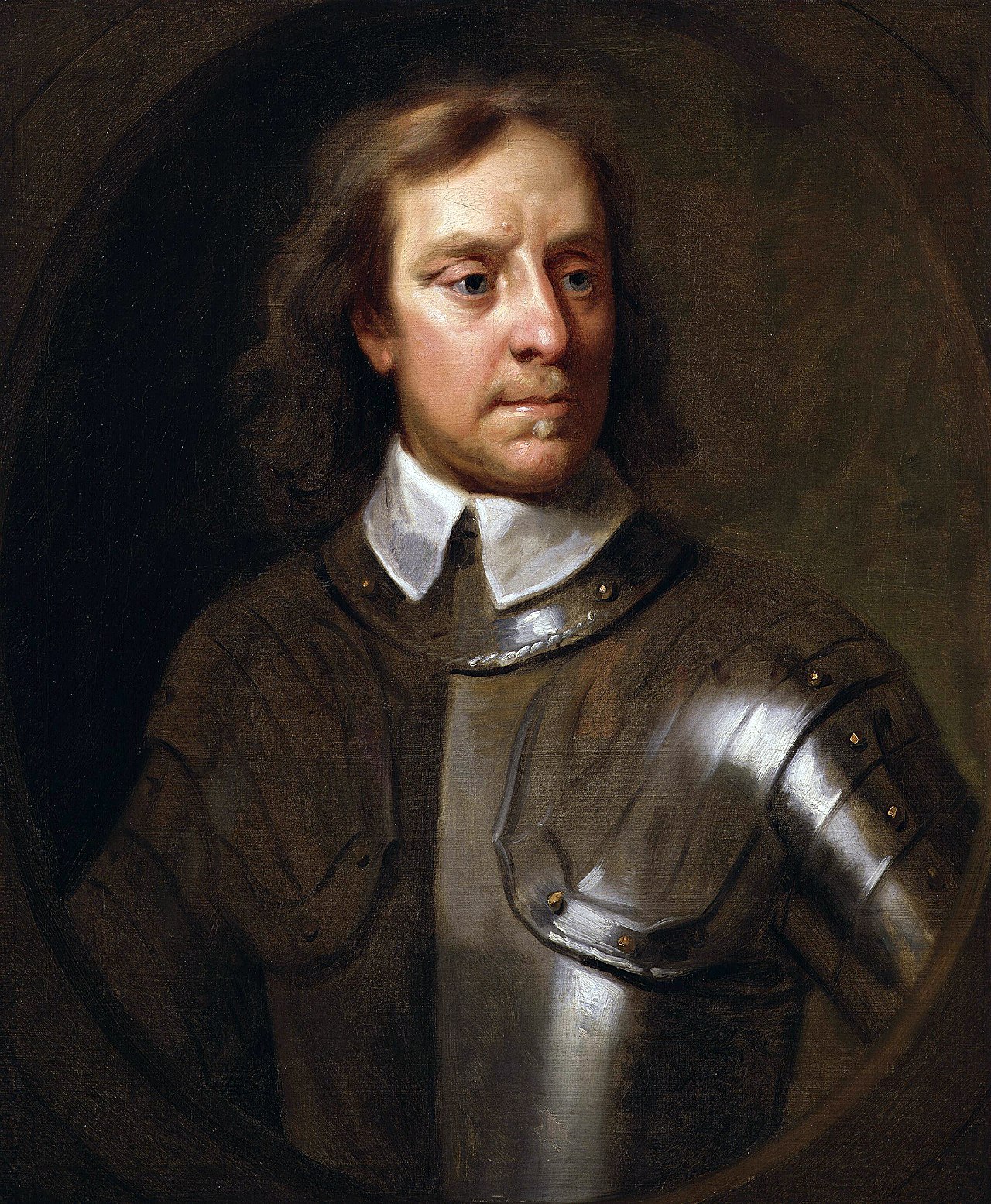


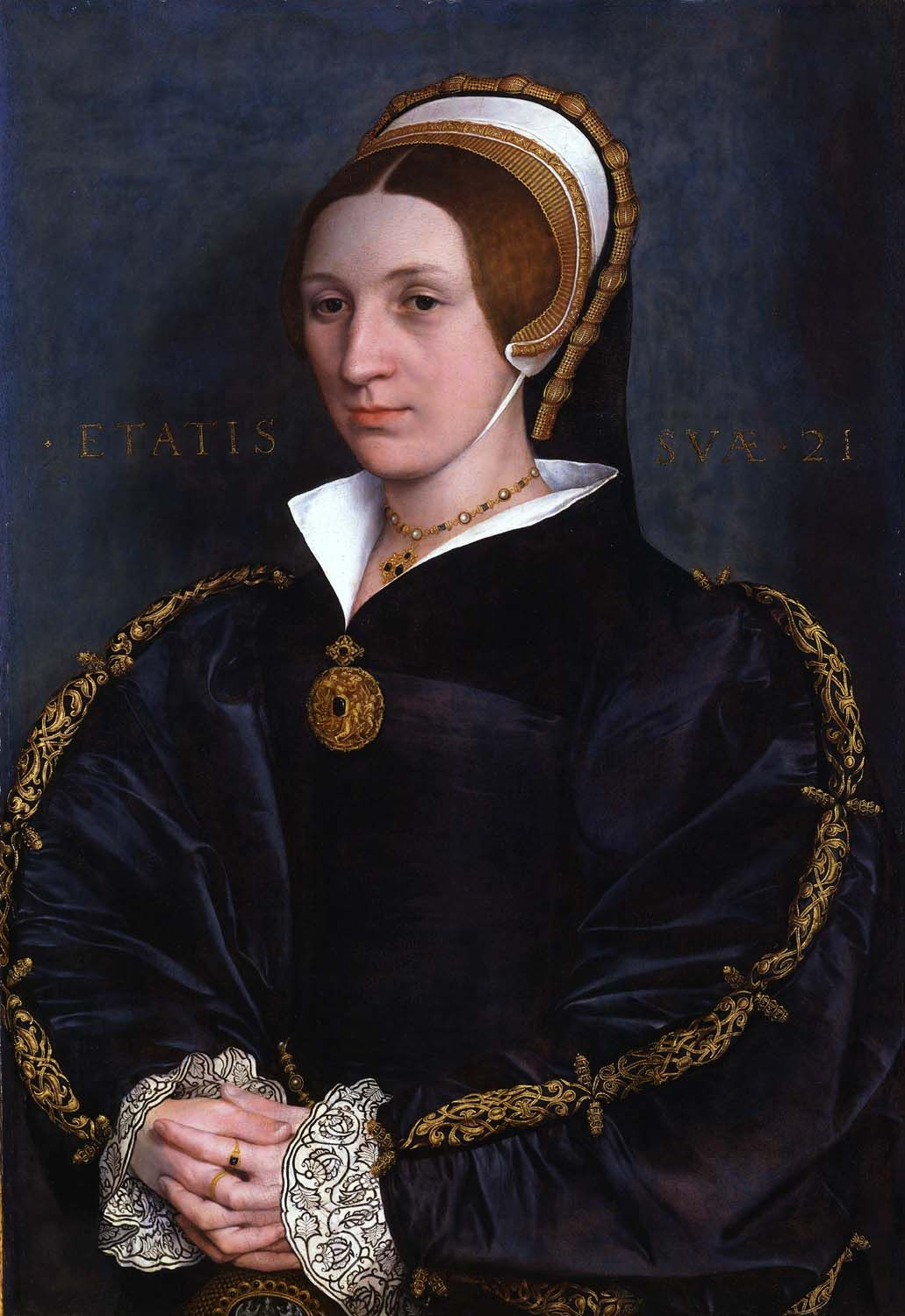

Origins, career path and rise to power
Cromwell's early life is not recorded in great detail; he is generally described as coming from non-noble, provincial origins and gaining his education and training in law and business before employment in royal service. After experience in continental Europe and work for influential patrons, he entered the household of Cardinal Thomas Wolsey and later transferred that experience to serve Henry VIII. His skills as a lawyer and a practical organiser made him indispensable to the king as the Tudor state expanded. For accounts and archival references see biographical summaries and surviving legal records.
Major offices and responsibilities
From the early 1530s Cromwell held the principal responsibility for coordinating government business, often acting as the king's principal secretary, chief minister and, later, Lord Chamberlain after being elevated in rank. He accumulated a number of formal and informal posts that allowed him to direct policy across church and state. For lists of offices and formal appointments consult catalogues of Tudor office-holders and official privy records.
Reforms and policies
Cromwell pursued a program of administrative modernization intended to strengthen central government and enhance royal revenue. He expanded the use of parliamentary statute to achieve political goals and helped draft and implement legislation that redefined the monarch's relationship to the church, including the Crown's control over ecclesiastical affairs. He organised the survey and suppression of many monastic houses, the redistributing of their lands and the appropriation of their income to the crown. His methods emphasized bureaucratic procedures, commissions of inquiry and systematic financial oversight.
Controversies, downfall and execution
These initiatives made him powerful but also created opponents among the nobility and clergy who regarded him as an ambitious upstart. Cromwell's role in arranging the king's marriages and his sponsorship of the ill-fated match with Anne of Cleves alienated court factions. In 1540 he was arrested, charged with treason and heresy, and executed. Contemporary and later readers have debated whether his fall was the outcome of a genuine political crisis or of court intrigue; for critical discussions see historical analyses and selected scholarly commentaries.
Legacy and historical significance
Cromwell is remembered as a formative figure in the development of a more centralized English state. He helped transform how government was conducted—shifting power from landed magnates and independent ecclesiastical institutions to a more professional royal administration—and he played a central role in the Reformation in England. His career remains a focus of biographies, historical studies and cultural portrayals; for modern assessments and cultural reception see further reading.
- Key themes: state-building, legal administration, church reform.
- Notable actions: promotion of parliamentary legislation, dissolution of monasteries, centralisation of finances.
- End: trial and execution in 1540 after losing royal favour.
Questions and answers
Q: Who was Thomas Cromwell?
A: Thomas Cromwell was an English statesman and lawyer who served as King Henry VIII's chief minister from 1532 to 1540.
Q: How did Cromwell rise to power?
A: Cromwell did not come from a rich or noble family, but he rose to power by working hard and using his merit.
Q: What was Cromwell's goal for modernizing the government?
A: Cromwell's goal for modernizing the government was to lessen the power of both the nobility and the church.
Q: Why was Cromwell seen as an upstart?
A: Cromwell was seen as an upstart because of his attempts to modernize the government and reduce the power of the nobility and the church.
Q: What was Cromwell's stance on the English Reformation?
A: Cromwell was one of the strongest supporters of the English Reformation, which was the English Church's break with the papacy in Rome.
Q: Who made Henry VIII the head of the Church of England?
A: Parliament made Henry VIII the head of the Church of England in 1534.
Q: What were the two new jobs that Cromwell helped control the new Church with?
A: The two new jobs that Cromwell helped control the new Church with were Vicegerent for spirituals and Vicar general.
Author
AlegsaOnline.com Thomas Cromwell, 1st Earl of Essex: Tudor statesman and architect of reform Leandro Alegsa
URL: https://en.alegsaonline.com/art/131818