
Thomas Cech: discoverer of catalytic RNA and Nobel laureate
American chemist Thomas Cech (born 1947) discovered that RNA can act as a catalyst. His work on self-splicing RNA helped establish the ribozyme concept and advanced the RNA world hypothesis.
Overview
Thomas Robert Cech (born December 8, 1947) is an American scientist best known for demonstrating that ribonucleic acid (RNA) can perform catalytic functions. His experiments showed that RNA molecules are not only carriers of genetic information but can also catalyze chemical reactions, a finding that changed fundamental ideas about the chemistry of life and earned him a share of the 1989 Nobel Prize in Chemistry.
Image gallery
3 Images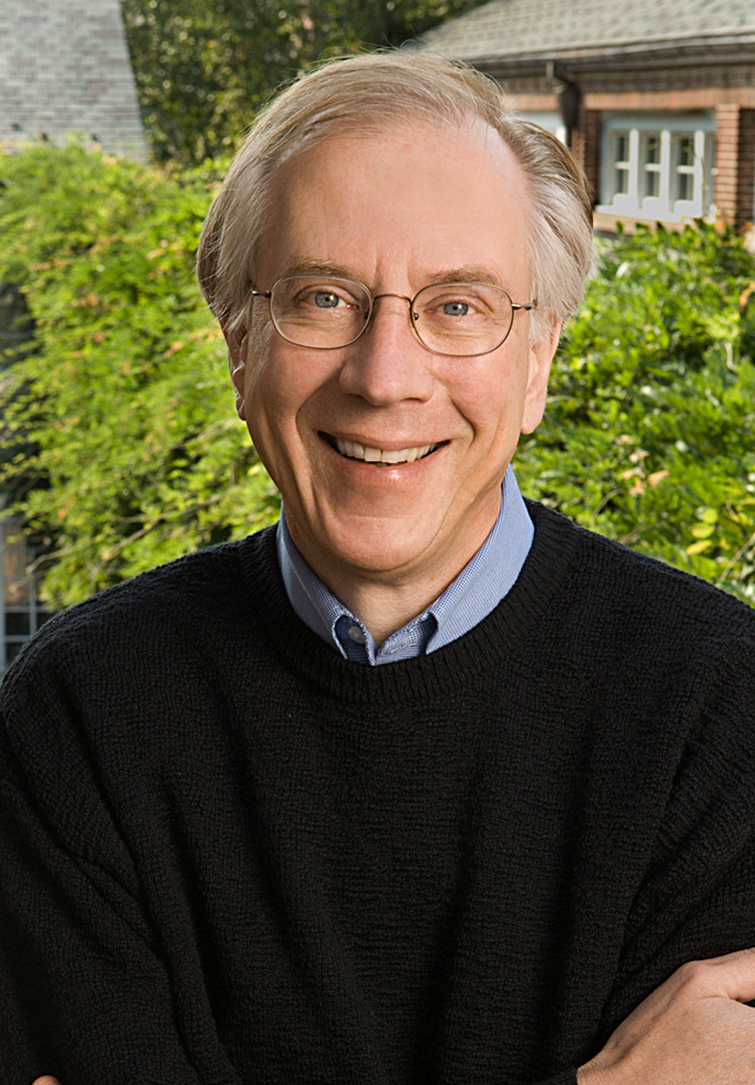


Key discovery and scientific contributions
In the 1980s Cech and his research group discovered a self-splicing RNA in the single-celled organism Tetrahymena. This RNA removed its own intron without protein enzymes, proving that an RNA molecule could catalyze its own cleavage and ligation. Such catalytic RNAs are commonly called ribozymes. The Nobel Prize was shared with Sidney Altman, whose independent work identified catalytic properties in a different RNA-based system.
Importance and implications
Cech's findings helped to revive and strengthen the RNA world hypothesis, the idea that early life forms may have relied on RNA both to store genetic information and to perform catalytic tasks before protein enzymes evolved. The discovery of ribozymes also influenced studies in molecular biology, biotechnology and synthetic biology, where engineered RNA molecules are used as tools for gene regulation, molecular sensing and potential therapeutic strategies.
Career and honors
Throughout his career Cech has combined laboratory research with institutional leadership. He served as a professor and laboratory head at the University of Colorado Boulder and later took on broader roles in science administration, including leading a major biomedical research institution. His work has been recognized with numerous awards, the most prominent being the Nobel Prize in Chemistry.
Notable facts and legacy
- His ribozyme research altered the textbook view that only proteins could act as enzymes.
- The discovery supported models for the origin of life in which RNA played central catalytic and genetic roles.
- Cech's career bridged basic research and policy, influencing funding and direction in biomedical science.
For further reading on Cech's life and work, including original publications and institutional profiles, see resources available through scientific biographies and institutional pages: biographical source, research overview, scientific papers, Nobel Prize citation and institutional profile.
Questions and answers
Q: Who is Thomas Cech?
A: Thomas Cech is an American chemist.
Q: When was Thomas Cech born?
A: Thomas Cech was born on December 8, 1947 in Chicago.
Q: What did Thomas Cech discover?
A: Thomas Cech discovered that RNA was a catalyst and that it could cut strands of RNA, which showed that life could have started as RNA.
Q: When did Thomas Cech win the Nobel Prize in Chemistry?
A: Thomas Cech won the Nobel Prize in Chemistry in 1989.
Q: Who did Thomas Cech share the Nobel Prize in Chemistry with?
A: Thomas Cech shared the Nobel Prize in Chemistry with Sidney Altman.
Q: What was the significance of Thomas Cech's discovery?
A: Thomas Cech's discovery that RNA was a catalyst and could cut strands of RNA showed that life could have started as RNA.
Q: What is the importance of RNA in biology?
A: RNA plays an important role in biology, serving as a messenger between DNA and proteins, and as a catalyst for biochemical reactions.
Author
AlegsaOnline.com Thomas Cech: discoverer of catalytic RNA and Nobel laureate Leandro Alegsa
URL: https://en.alegsaonline.com/art/131816