
Thomas Becket: Archbishop of Canterbury and the Conflict with Henry II
Biography of Thomas Becket (c.1119–1170), his rise from royal chancellor to archbishop, clash with Henry II over church rights, exile, martyrdom in Canterbury Cathedral, canonization and enduring legacy.
Thomas Becket was a leading English cleric of the 12th century whose career moved from royal service to a bitter dispute with the crown and ended with his murder in Canterbury Cathedral. Born in Cheapside, London, he became a wealthy and influential churchman who is remembered both for his administrative skill and for the dramatic conflict with King Henry II over the independence of the church. His name is commonly written as Thomas Becket (the older form Thomas à Becket is now generally treated as a later mistake).
Image gallery
10 Images
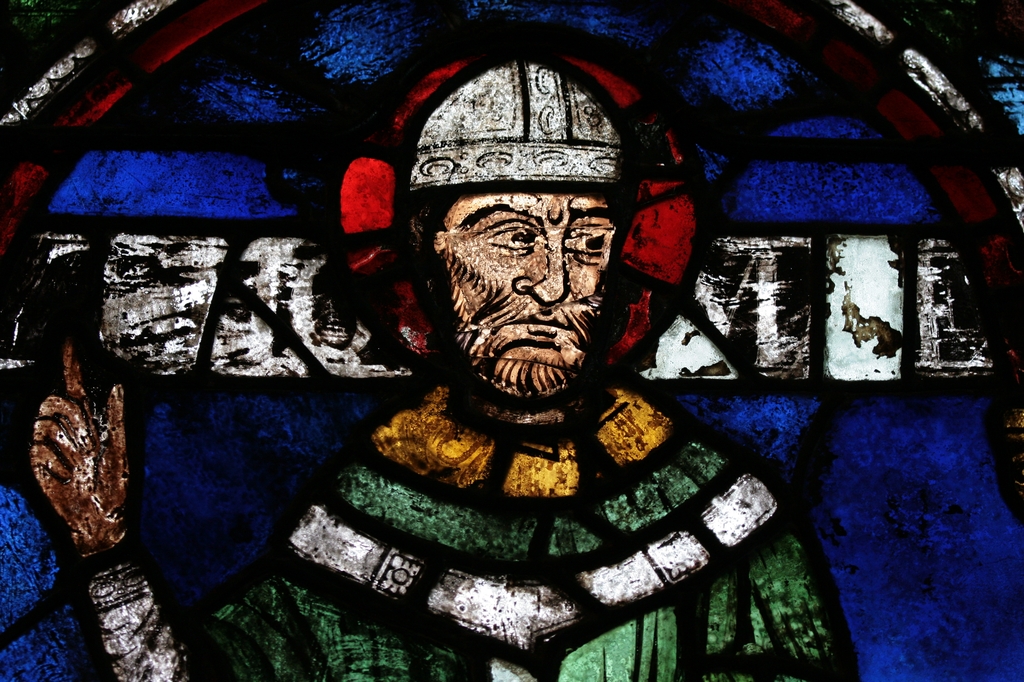



Early life and clerical career
Becket was born in the commercial district of Cheapside and educated in England and, for a time, at the schools of Paris. Contemporary accounts describe him as bright and physically active in youth, with interests that included hunting and sport. He entered the household of Theobald of Bec, the then Archbishop of Canterbury, where he began to build the contacts and reputation that would serve him in royal service. Becket later became a close associate of Henry II and served as the king’s chief administrative officer, the Lord Chancellor, an office that put him at the centre of government and royal finance.
Archbishop and the dispute with the crown
In 1162 Henry II arranged Becket’s appointment as Archbishop of Canterbury. Expecting a loyal ally, the king was soon alarmed when Becket adopted a rigorous defence of ecclesiastical privilege. Becket’s transformation from royal chancellor into an outspoken archbishop set him on collision course with the king. Their arguments concerned a number of matters, notably the authority of secular courts over clergy and the church’s legal immunities. These issues were central to the 1164 meeting at Clarendon where Henry sought the agreement of his bishops to the Constitutions of Clarendon, a set of articles intended to define royal rights in relation to the church.
Trial, exile and return
When Becket resisted the Constitutions and the king’s demands he was accused at Northampton Castle in October 1164. After leaving the trial he fled to France, where King Louis VII of France provided protection. Becket spent several years in exile, including time in the Cistercian community at Pontigny, a house associated with the Cistercian order, and later at Sens. During his absence he continued to pursue legal and spiritual measures against clerical opponents, at times issuing excommunications against those he regarded as violating church rights. Negotiations and changing political pressures eventually permitted his return to England in 1170.
Murder and immediate aftermath
Becket’s return did not end the dispute. Tensions escalated until, in late December 1170, four knights travelled to Canterbury and murdered him in the cathedral on 29 December. Contemporary reports record that some of the king’s outbursts were interpreted by contemporaries as an incitement to violence; one traditional phrase said to reflect the royal frustration—"Who will rid me of this troublesome priest?"—was repeated in later accounts but its exact wording and provenance remain uncertain. The killing shocked Christian Europe and turned Becket into a martyr in popular and clerical perception.
Canonization, shrine, and long-term legacy
Becket was canonized by Pope Alexander III in 1173, only three years after his death, and his tomb in Canterbury quickly became an important pilgrimage destination whose prosperity increased the cathedral’s fame. The original major shrine remained a focus for veneration until the English Reformation, when it was deliberately destroyed on the orders of Henry VIII. Becket’s life and death influenced debates about church and state for centuries and inspired many literary and artistic works.
Key themes and distinctions
- Church versus crown: Becket’s conflict centered on clerical immunity, legal jurisdiction and whether secular courts could try clergy—issues represented in the Constitutions of Clarendon.
- Role change: His dramatic reversal from king’s chancellor to uncompromising archbishop illustrates tensions that can arise when ecclesiastical office confronts political power.
- Martyrology and politics: Canonization rapidly converted a political contest into a saintly narrative, showing how religious and popular sentiment could reshape events.
Selected dates and places
- c. 1119 – Birth in Cheapside (date approximate)
- 1143 – Service in the household of Theobald of Bec
- 1162 – Appointed Archbishop of Canterbury
- 1164 – Clarendon and trial at Northampton; exile begins
- 1164–1170 – Exile in France (protection of Louis VII, stays at Pontigny and Sens)
- 29 December 1170 – Murder in Canterbury Cathedral
- 1173 – Canonization as a saint
For introductions, primary-source collections and modern treatments that discuss Becket’s life, the Constitutions of Clarendon, the trial at Northampton and the larger political context, see the selection of links and resources below.
- Religious office and roles
- Contemporary descriptions of youth and activities
- Arguments over church rights
- Jurisdiction of secular courts
- Westminster and political maneuvers
- Excommunication procedures
- The knights involved in the murder
- Functions of the Lord Chancellor
- Cistercian context for exile
- Pontigny abbey
- Becket at Sens
- Education in Paris
- Canterbury shrine
- Reformation and destruction of relics
- Places associated with Becket’s origins
- Archbishopric and its duties
- International politics: France and England
- Canonization and cult of the saint
- Clerical status and titles
- Canterbury Cathedral as site of martyrdom
This article offers a concise overview rather than exhaustive scholarship. Readers seeking detailed documentary evidence, editions of contemporary chronicles, or full academic treatments may consult specialist monographs, edited primary sources and library catalogues linked above.
Questions and answers
Q: Who was Thomas Becket?
A: Thomas Becket was an English priest and Archbishop of Canterbury who was murdered in Canterbury Cathedral in 1170.
Q: Where was he born?
A: He was born in Cheapside, London.
Q: What did he do before becoming Archbishop of Canterbury?
A: Before becoming Archbishop of Canterbury, he joined the household of Theobald of Bec as a clerk at age 16 and studied in Paris.
Q: What led to the conflict between Henry II and Becket?
A: The conflict between Henry II and Becket arose due to their disagreement over the rights of the Church. This caused their friendship to end and for Becket to resign as Lord Chancellor.
Q: What happened at Northampton Castle on 8 October 1164?
A: On 8 October 1164, King Henry summoned Becket to appear before a great council at Northampton Castle where he was officially asked to agree to the King's rights.
Q: Where did Beckett flee after being convicted on charges?
A: After being convicted on charges, Beckett fled Europe where King Louis VII offered him protection by staying in a Cistercian abbey called Pontigny until threats from Henry made him return to Sens.
Q: How did Thomas become a saint?
A: Thomas became a saint in 1173 after his death which occurred when four knights killed him upon hearing reports that he had excommunicated his enemies in the Church and threatened to do the same with Henry II.
Author
AlegsaOnline.com Thomas Becket: Archbishop of Canterbury and the Conflict with Henry II Leandro Alegsa
URL: https://en.alegsaonline.com/art/131809