
Thilo Sarrazin: German economist, public official, and controversial author
Profile of Thilo Sarrazin, his career in finance and public service, the controversies around his 2010 book on immigration, and his influence on German public debate.
Overview
Thilo Sarrazin (born 12 February 1945) is a German economist and former Social Democratic politician who became widely known both for his roles in public finance and for a contentious public debate about immigration and integration. His career has spanned senior positions in state and federal institutions, and since 2010 he has been a polarizing figure in German political and cultural discussions.
Image gallery
2 Images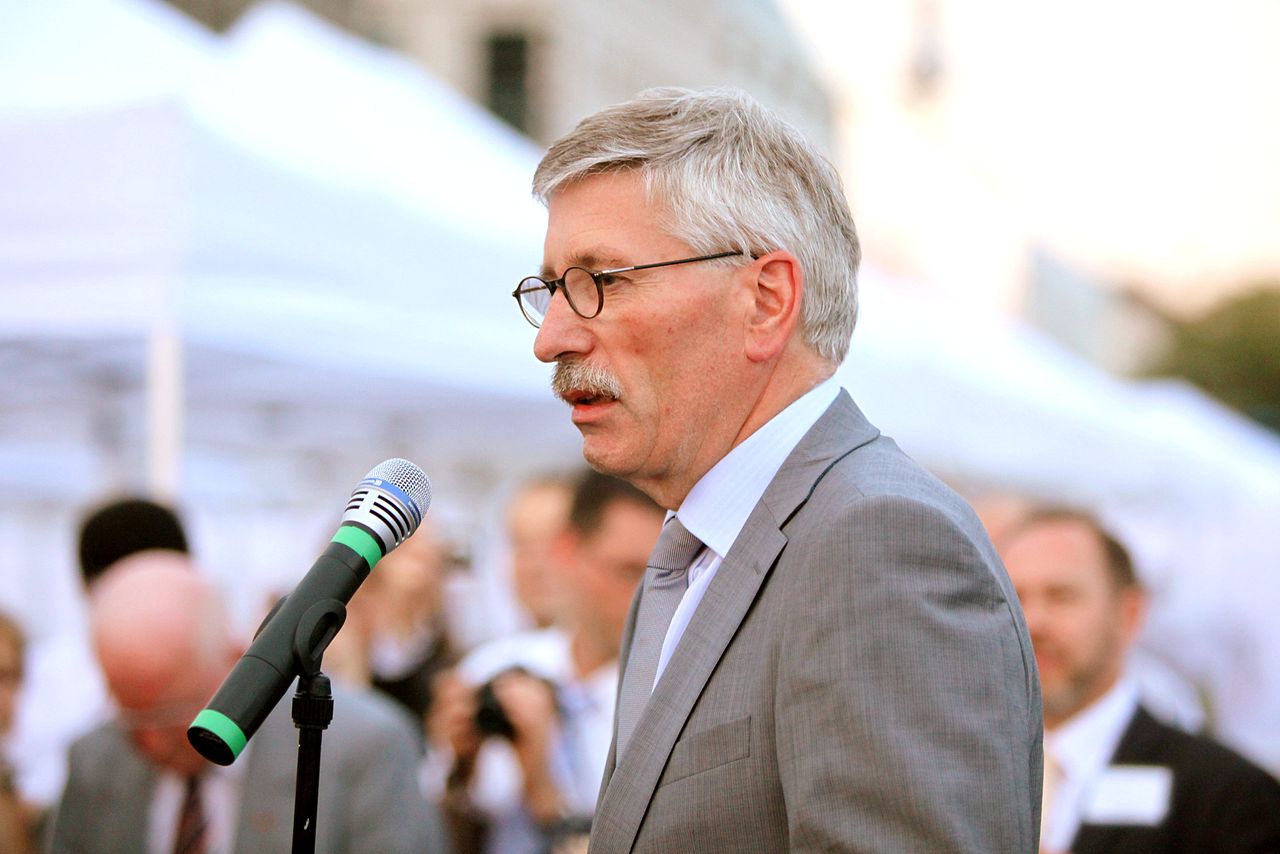

Career and public offices
Sarrazin trained as an economist and worked in a number of financial and administrative roles. He served in managerial posts at the national railway, including a period at Deutsche Bahn, and later entered regional government as Senator for Finance in Berlin. At the federal level he became a member of the executive board of the Deutsche Bundesbank. Earlier in his life he was associated with the Social Democratic Party; descriptions commonly identify him as a German economist and former politician.
Major works and controversies
In August 2010 Sarrazin published Deutschland schafft sich ab ("Germany Abolishes Itself"), a best-selling book that criticized aspects of German immigration and integration policy and questioned prevailing assumptions about demographic change and social cohesion. The book's publication intensified public debate: some commentators and politicians condemned its language and arguments as inflammatory, while others praised it for raising neglected questions. The controversy prompted calls from members of the Bundesbank's executive for action; after negotiations he left his Bundesbank post by agreement at the end of September of that year. The book and its aftermath are often cited when discussing modern German debates over immigration and identity.
Positions, themes and public reception
Sarrazin's writings and public statements have focused on economic performance, education, social policy and the long-term effects of demographic change. He is particularly associated with critiques of immigration policy and concerns about integration; these themes are central to discussions of the German immigration system and related social questions. Reaction to his views has been deeply split: academic experts, politicians and commentators have both criticized and defended various aspects of his analyses. Some argue his conclusions oversimplify complex social phenomena, while others contend he addressed politically sensitive topics that deserved broader public attention.
Notable events and institutional responses
- Sarrazin's early career included work at Deutsche Bahn and a regional finance ministry post in Berlin.
- He joined the executive board of the Deutsche Bundesbank in 2009 and left after the 2010 controversy surrounding his book.
- The Bundesbank's decision-making and public statements about his status involved consultation with federal authorities, including reference to the role of the Bundespräsident Christian Wulff in formal processes.
Context and legacy
Sarrazin remains a significant figure in contemporary German life insofar as his work forced a national conversation about integration, education, economic opportunity and demographic trends. His critics question the empirical basis and tone of some of his claims; his supporters emphasize his willingness to challenge taboos. For readers seeking more detailed primary material and responses, published interviews, the book itself and the public record of debates in German media and institutions offer further context. Brief biographical notes often accompany discussions of his role in shaping debates about national identity and fiscal policy in the early 21st century.
Further reading and source material can be found through institutional pages and reports linked in discussions of his appointments and publications: see entries on his birth and biographical summaries (biographical entry), commentary on his role as a German economist, and institutional histories that reference his terms at Deutsche Bahn, in the Berlin finance office (Senator for Finance) and at the Bundesbank. For debates over immigration policy see coverage that cites the broader immigration debate and official responses explained in public statements involving the presidency (Bundespräsident).
Questions and answers
Q: Who is Thilo Sarrazin?
A: Thilo Sarrazin is a German economist and former politician of the SPD.
Q: What did Sarrazin do in 2000 and 2001?
A: In 2000 and 2001, Sarrazin worked for the Deutsche Bahn.
Q: What position did Sarrazin hold in the German state of Berlin?
A: In 2002, he became the senator for finance in the German state of Berlin.
Q: When did Sarrazin become a member of the executive board of the Deutsche Bundesbank?
A: Sarrazin became a member of the executive board of the Deutsche Bundesbank in May 2009.
Q: What was the title of Sarrazin's controversial book?
A: The title of Sarrazin's controversial book was "Deutschland schafft sich ab" ("Germany Abolishes Itself").
Q: What led the executive board members of the Bundesbank to ask for Sarrazin's dismissal?
A: Sarrazin's book with controversial comments about the German immigration system led the executive board members of the Bundesbank to ask for his dismissal.
Q: When will Sarrazin leave his post?
A: After an agreement with the German Bundesbank, Thilo Sarrazin will leave his post at the end of September.
Author
AlegsaOnline.com Thilo Sarrazin: German economist, public official, and controversial author Leandro Alegsa
URL: https://en.alegsaonline.com/art/131800