
Theodor Fontane: German realist novelist, poet, and observer of society
Theodor Fontane (1819–1898) was a German novelist, poet and travel writer widely regarded as a leading 19th‑century realist. This article surveys his life, style, major works and lasting influence.
Theodor Fontane (30 December 1819 – 20 September 1898) was a German novelist, poet and travel writer who is widely regarded as one of the foremost representatives of literary realism in the German language. Born in Neuruppin, he combined early training in another profession with a long career in journalism and letters, producing novels, poems and extended regional studies that probe character, social forces and moral choice.
Image gallery
6 Images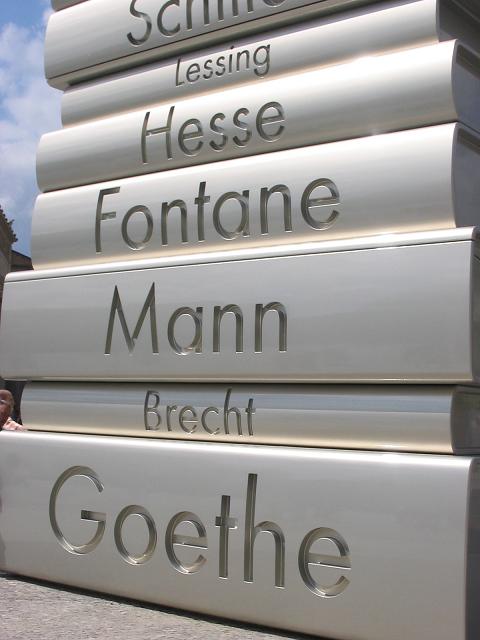


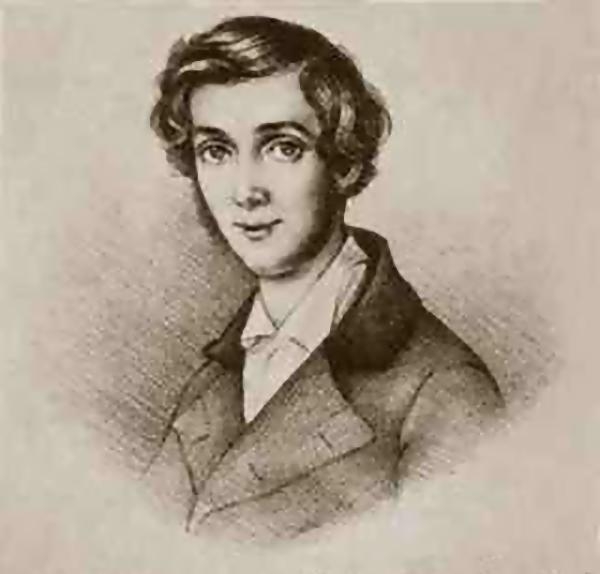

Life and career
Fontane began his working life outside the literary professions and gradually moved into writing and reporting. He spent many years as a journalist and correspondent, which gave him a practical eye for detail and social observation. Over decades he produced reviews, essays and travel pieces as well as fiction, building a reputation for measured expression and psychological acuity rather than rhetorical excess.
Style and literary importance
Fontane is associated with realism: his narratives emphasize ordinary lives, social settings and the consequences of personal decisions. His prose is known for its clarity, irony and restraint, often letting scenes and dialogue reveal character. He tended to avoid sentimentalism and sweeping moralizing, preferring subtle moral ambiguity and careful depiction of social pressures.
Major works and topics
- Novels: Notable titles explore marriage, class and provincial life, with enduringly read books that examine personal honor, social constraint and the limits of understanding between generations.
- Travel and regional writing: His long-running study of Brandenburg landscapes and communities combines local history, anecdote and cultural observation.
- Poetry and shorter prose: He wrote lyrical poems and sketches that complement his larger narrative work.
Themes, influence and distinctions
Recurring themes in Fontane's work include the tensions between individual desire and social expectation, the nature of reputation, and the moral complexity of everyday choices. His combination of journalistic attention to fact with novelist's insight into motive helped establish a model of realist fiction in Germany. Readers and critics value his humane outlook, ironic distance and finely tuned dialogue.
For further background and editions, see biographical resources and collections of his writings at collected works. Fontane's novels remain taught and read for their portraits of 19th‑century German society and their lasting narrative craft.
Questions and answers
Q: Who was Theodor Fontane?
A: Theodor Fontane was a German novelist and poet who lived in the 19th century.
Q: How is Theodor Fontane regarded in the literary world?
A: Theodor Fontane is regarded by many to be the most important 19th-century German-language realist writer.
Q: When was Theodor Fontane born?
A: Theodor Fontane was born on 30 December 1819.
Q: When did Theodor Fontane die?
A: Theodor Fontane died on 20 September 1898.
Q: What was Theodor Fontane's primary occupation?
A: Theodor Fontane was primarily known as a novelist and poet.
Q: In what language did Theodor Fontane write?
A: Theodor Fontane wrote in German.
Q: What is Theodor Fontane's legacy?
A: Theodor Fontane is remembered as a major figure in German-language literature and as one of the most important realist writers of the 19th century.
Author
AlegsaOnline.com Theodor Fontane: German realist novelist, poet, and observer of society Leandro Alegsa
URL: https://en.alegsaonline.com/art/131756