
Ted Kaczynski (Unabomber): mathematician, bombing campaign, writings, and legacy
Overview of Theodore J. Kaczynski (the Unabomber): early life and academic career, the 1978–1995 bombing campaign, manifesto and writings, arrest, trial, incarceration, and public legacy.
Theodore John "Ted" Kaczynski (born May 22, 1942) is an American mathematician who became widely known as the "Unabomber" after conducting a domestic bombing campaign from the late 1970s through the mid-1990s. His actions targeted people and institutions he associated with industrialization and modern technology, resulting in multiple deaths and injuries and prompting a lengthy federal investigation. Kaczynski was born and raised in Evergreen Park, a suburb of Chicago in Illinois. He is often described as a trained mathematician who combined academic achievement with extremist violence.
Image gallery
10 Images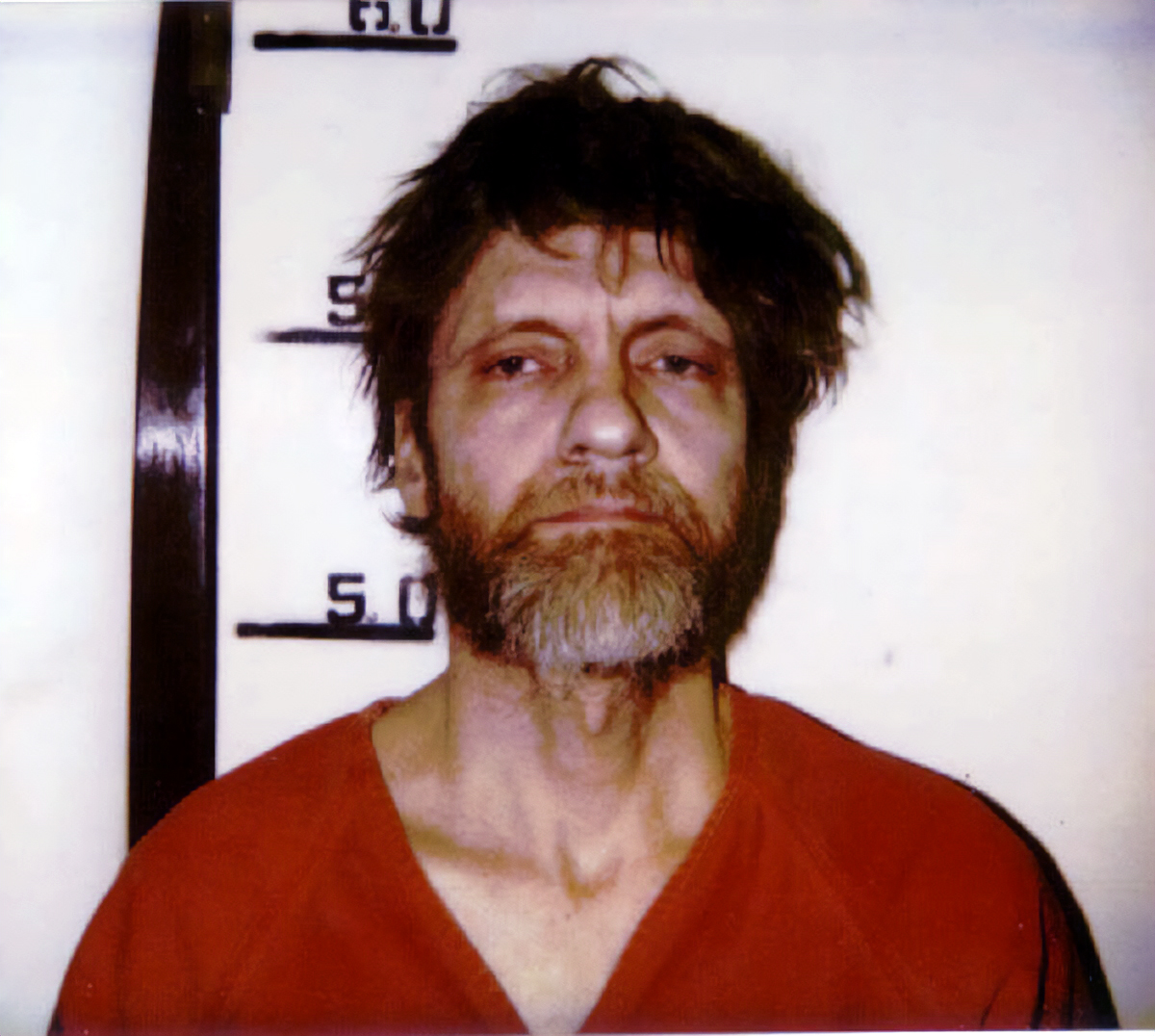

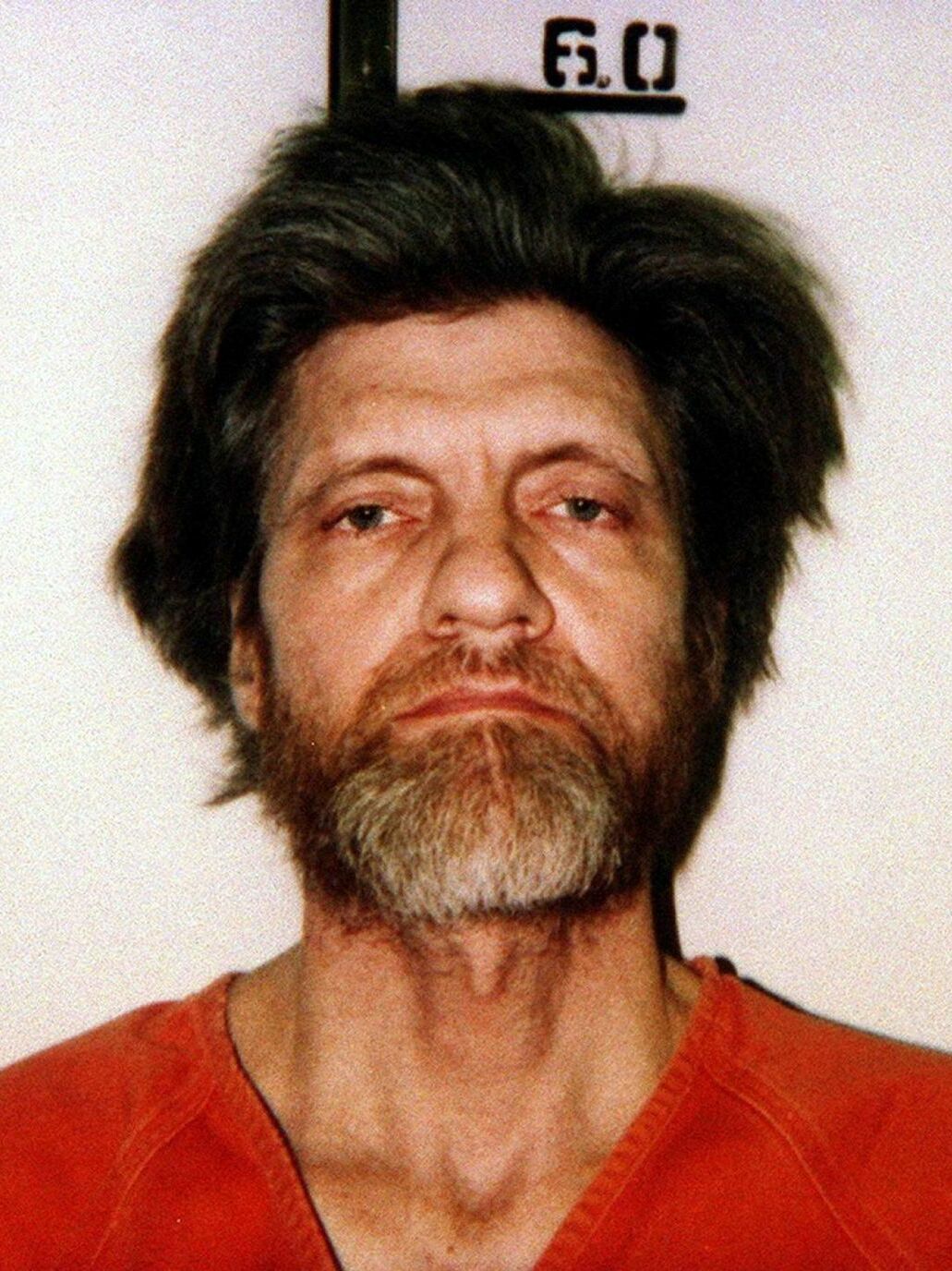
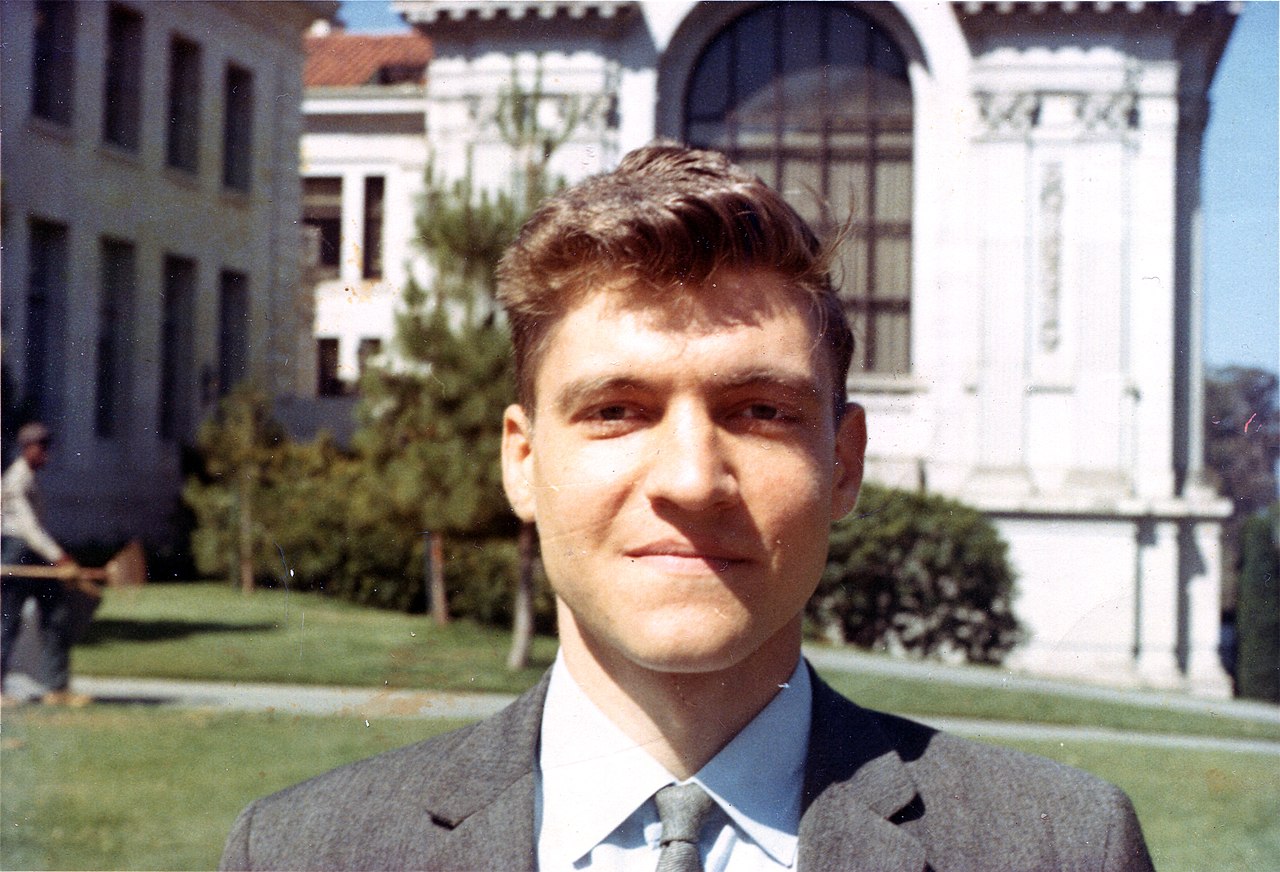


Education and early career
Kaczynski showed early academic promise. He entered Harvard University at age 16, completed an undergraduate degree, and later earned a Ph.D. in mathematics from the University of Michigan. In 1967 he accepted a position as an assistant professor in the mathematics department at the University of California, Berkeley. He resigned after two years and increasingly withdrew from mainstream academic life.
Withdrawal and life in Montana
In 1971 Kaczynski relocated to a remote cabin near Lincoln, Montana, living without electricity or running water and cultivating a self-reliant lifestyle. During this period he developed a critique of industrial society and technology that he would later publish in pamphlet and book form. His rural isolation and interest in simple living are often cited as context for his later actions, while historians and analysts caution against simple causal explanations of radicalization.
Bombing campaign and the manifesto
From 1978 to 1995 Kaczynski sent a series of improvised devices to universities, airlines, technology companies, and other targets; many of the devices were described in press reports as homemade bombs. The coordinated attacks killed three people and injured numerous others. In 1995 he demanded that major newspapers publish a long essay explaining his views; editors ultimately published the piece in the hope that public recognition might lead to identification by someone who knew the author. He communicated his condition for stopping the attacks in a letter to The New York Times and other outlets. The published tract, commonly called the "Unabomber's Manifesto," is formally titled Industrial Society and Its Future.
Investigation, arrest, and prosecution
The federal investigation into the bombings lasted many years and involved multiple law enforcement agencies. In 1996 Kaczynski was identified and arrested at his Montana cabin after his brother provided information to investigators; relatives played a key role in recognition and reporting that led to the arrest. Authorities carried out a search that recovered materials later used in prosecution. Kaczynski pleaded guilty in 1998 to avoid the death penalty and was sentenced to life imprisonment without parole.
Incarceration and health reports
Following conviction he was housed in federal high-security facilities, including ADX Florence. Later reporting and public statements indicated transfers for medical reasons; official filings and press summaries document movements within the federal prison system. Publicly available notes and media accounts have at times reported on his health, but reliable confirmation typically comes from official corrections statements and court records rather than informal sources. For procedural details investigators and record repositories such as the relevant police and federal agencies maintain official files and public disclosures.
Writings, reception, and legacy
Kaczynski wrote extensively about his opposition to technological society. Key titles associated with him include Industrial Society and Its Future (the manifesto), Anti-Tech Revolution: Why and How, and Technological Slavery. While some readers have examined these texts as critiques of certain aspects of modernity, virtually all scholarly and public accounts condemn the use of violence to promote ideas. The case prompted debate about editorial responsibility when news organizations were asked to publish material from a violent actor, the ethics of responding to extortionate demands, and the role of family members in reporting violent relatives.
Scholars interested in domestic terrorism, radicalization, and the social impacts of technology continue to study the case for its combination of ideological text and violent action. The investigation and trial remain important for law enforcement studies and for discussions of how democratic societies confront violent dissent. For more detailed primary-source material, researchers are directed to official court records, federal case files, published trial transcripts, and established journalistic accounts rather than informal compilations.
- Born: May 22, 1942, Evergreen Park, Illinois.
- Education: Harvard (undergraduate), University of Michigan (Ph.D.).
- Career: Assistant professor at UC Berkeley (1967–1969); later a recluse in Montana.
- Notable works: Industrial Society and Its Future, Anti-Tech Revolution, Technological Slavery.
- Legal disposition: Arrested after family assistance; pleaded guilty and received life imprisonment; housed in federal facilities including ADX Florence.
This article summarizes widely reported facts and avoids speculative claims. For official documentation consult federal court records, law enforcement reports and reputable archival sources.
Questions and answers
Q: Who is Theodore John "Ted" Kaczynski?
A: Theodore John "Ted" Kaczynski is an American mathematician who was known as the Unabomber. He engaged in a nationwide bombing campaign between 1978 and 1995, killing three people and injuring 23 others.
Q: Where was Ted Kaczynski born and raised?
A: Ted Kaczynski was born and raised in Evergreen Park, Illinois, a Chicago suburb.
Q: What education did he receive?
A: He was accepted to Harvard University at 16 years old, where he earned an undergraduate degree. He then went on to earn a PhD in mathematics from the University of Michigan. He became an assistant professor at the University of California, Berkeley in 1967 at age 25.
Q: Where did he move after resigning from UC Berkeley?
A: After resigning from UC Berkeley, he moved to a cabin without electricity or running water in Lincoln, Montana where he lived while learning survival skills.
Q: How many bombs did Ted Kaczynski send during his bombing campaign?
A: During his bombing campaign between 1978 and 1995, Ted Kaczynski sent 16 bombs which killed three people and injured 23 others.
Q: What action did Ted take that led to his arrest? A: In April 1995, Ted sent a letter to The New York Times promising "to desist from terrorism" if they published his manifesto which ultimately led to his arrest on April 3rd 1996 when his brother David called the police so that they could arrest him.
Q: What are some of the books written by Ted Kaczynski? A: Some of the books written by Ted Kaczynksi include Industrial Society and It's Future, Anti-Tech Revolution Why and How, Technological Slavery among others with Industrial Society being best known as the "Unabomber's Manifesto".
Author
AlegsaOnline.com Ted Kaczynski (Unabomber): mathematician, bombing campaign, writings, and legacy Leandro Alegsa
URL: https://en.alegsaonline.com/art/131750