
Thales of Miletus: Pioneer of Greek Philosophy and Early Science
Thales of Miletus (c. 624–546 BC) was an early Greek thinker credited with initiating natural philosophy, applying geometric reasoning, and influencing the development of science and mathematics.
Overview
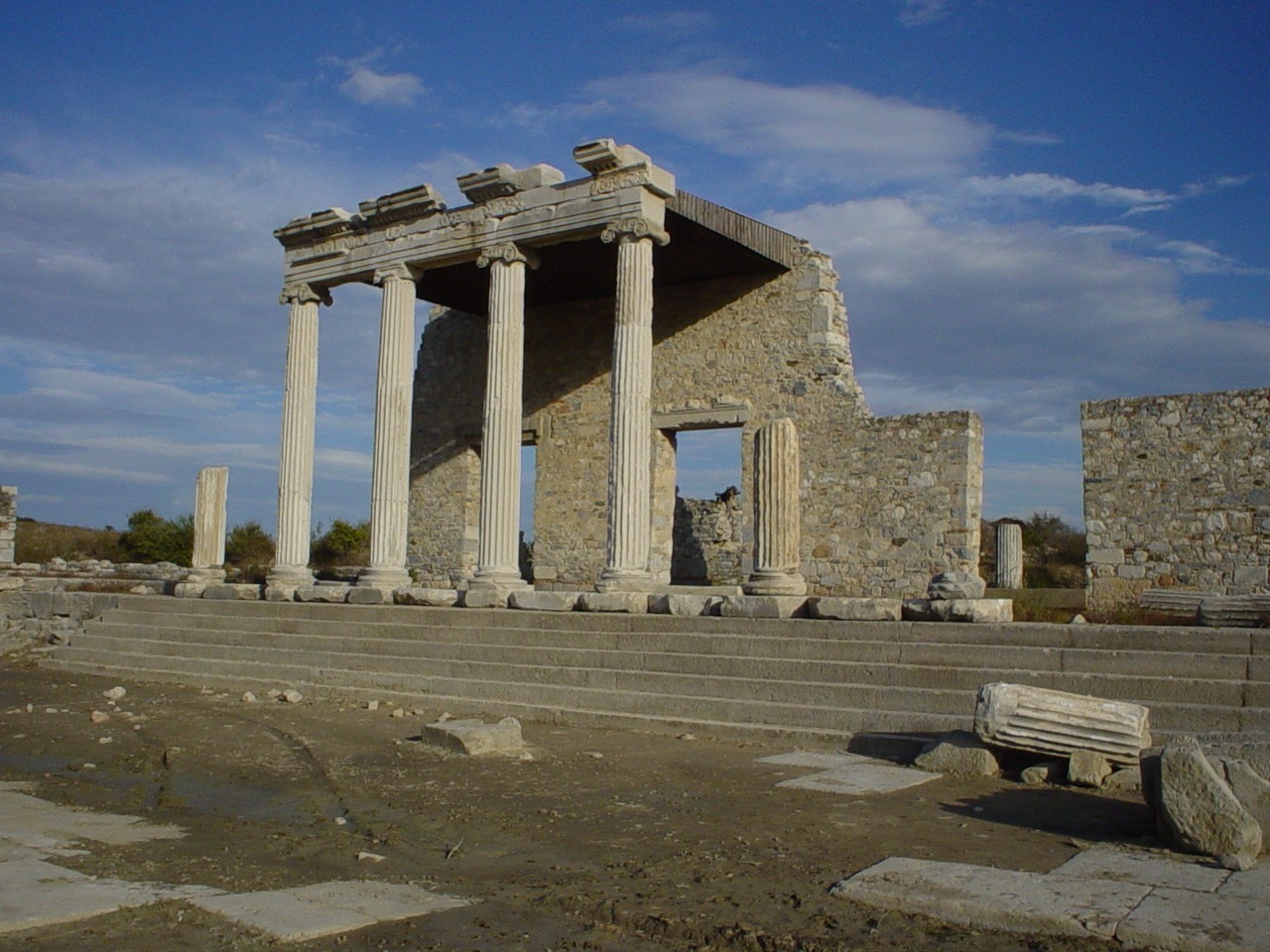
Thales of Miletus is remembered as one of the first figures in the Greek intellectual tradition. Born in Miletus in the mid‑7th century BC, he is commonly classed among the pre‑Socratic Greek thinkers and identified with the Ionian coastal city of Miletus. Later classical writers such as Aristotle treated him as the earliest practitioner of philosophic inquiry, and modern commentators including Bertrand Russell have described him as a starting point for Western philosophy.
Image gallery
10 Images




Method and Intellectual Significance
What made Thales notable was his attempt to explain natural events without relying on traditional myths or divine causation. Ancient and modern accounts emphasize that he looked for a single underlying principle and sought natural explanations for change in the world rather than mythological stories; this stance challenged customary religious explanations and helped shape later approaches in inquiry. Because of this shift toward observation and rational account, Thales is sometimes called a progenitor of science.
Philosophical Claims and Labels
Thales has been credited with proposing that a primary substance underlies other things. Accounts vary about his exact claim, but many traditions attribute to him the view that water, or something like it, plays a fundamental role in nature. He is also reported to have introduced the idea of formulating general principles and testing possibilities—early steps toward theorizing and hypotheses. Subsequent Presocratic figures, including thinkers such as Democritus, developed other theories about substance and change, showing how Thales' questions shaped later debates.
Mathematical and Practical Work
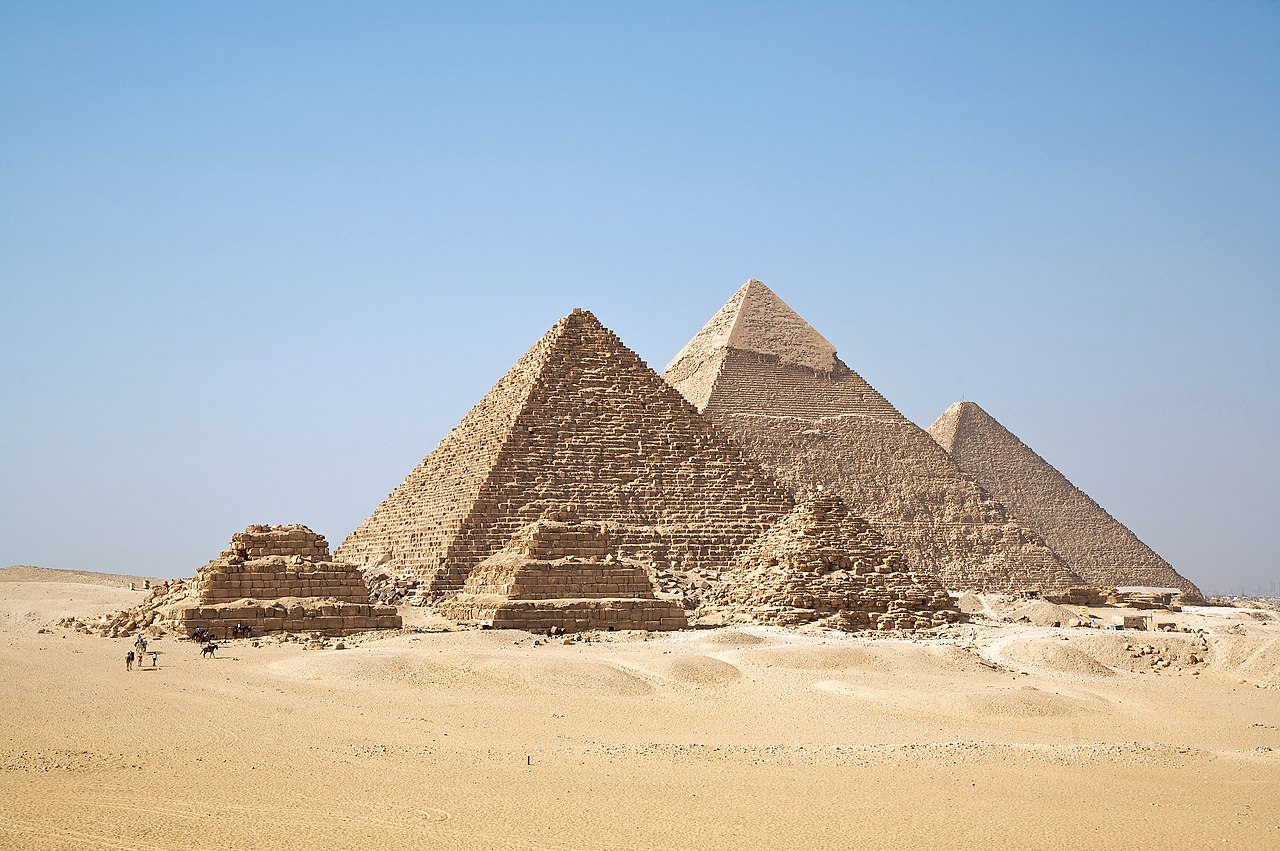
Thales is the earliest individual to whom particular mathematical results are traditionally ascribed. He is associated with basic results in geometry, often credited with using geometric reasoning to measure heights and distances. Classical reports say he measured the height of a pyramid and calculated the height of other tall objects by similar triangles, and estimated the distance of ships from shore by comparable methods. Stories also connect him with a simple inversion of observation—rubbing amber and noting its attraction of light objects—which later writers interpreted as an early observation about static electrical effects.
Legacy, Sources, and Cautions
Much of what is said about Thales comes from later ancient biographers and commentators rather than contemporary records. That means many attributions—such as precise mathematical proofs or a forecasted eclipse—are reported in secondary traditions and should be treated cautiously. Nevertheless, his reputation as an innovator who shifted explanation from myth toward natural account has been durable. Modern histories note both his pioneering role and the difficulty of separating later legend from original thought.
Notable contributions
- Promotion of naturalistic explanation over mythic accounts (mythology).
- Early use of geometric methods and practical measurements (geometry, pyramids, distance).
- Introduction of general principles and the framing of hypotheses about nature.
- Influence on both later philosophers and the gradual development of scientific attitudes (science).
For introductory overviews and primary tradition summaries see further reading and commentary linked in classical and modern studies: general surveys of pre‑Socratic thought, accounts of early Greek philosophers, histories of Miletus, and analyses of references in Aristotle and later writers. More analytical treatments consider the precise content and limits of what later authors attributed to Thales and compare those claims with the broader currents of early Greek rationalism described by figures like Bertrand Russell.
Questions and answers
Q: Who was Thales of Miletus?
A: Thales of Miletus was a pre-Socratic Greek philosopher who lived from about 624 BC to 546 BC. He was from Miletus in Asia Minor and is regarded by many, notably Aristotle, as the first philosopher in the Greek tradition.
Q: What did Thales attempt to do?
A: Thales attempted to explain natural phenomena without reference to mythology and was tremendously influential in this respect. He rejected mythological explanations for the existence of the world and set forth general principles and hypotheses instead.
Q: How has Thales been described?
A: Bertrand Russell said that "Western philosophy begins with Thales" and he has been called the "Father of Science", though some believe Democritus deserves this title more.
Q: What mathematical discoveries is Thales attributed with?
A: Using geometry, Thales solved problems such as calculating the height of pyramids and the distance of ships from shore. He is also credited with being the first person known to have studied electricity.
Q: How did other pre-Socratic philosophers influence him?
A: Other pre-Socratic philosophers were influenced by his rejection of mythological explanations for natural phenomena and followed him in attempting to provide an explanation without reference to mythology.
A
Author
AlegsaOnline.com Thales of Miletus: Pioneer of Greek Philosophy and Early Science Leandro Alegsa
URL: https://en.alegsaonline.com/art/131739