
Tamara Karsavina: Russian-born ballerina, Ballets Russes star and teacher
Tamara Karsavina (1885–1978) was a leading Russian ballerina who starred with the Ballets Russes, created signature roles and later taught and helped establish institutions that shaped British ballet.
Tamara Platonovna Karsavina (10 March 1885 – 26 May 1978) was a celebrated Russian ballerina whose stage artistry bridged the great Imperial Russian tradition and the modernizing impulses of early 20th‑century European ballet. Renowned for musical sensitivity, expressive port de bras and refined stage presence, she became one of the era's most influential dancers and later a formative teacher and mentor.
Image gallery
10 Images




Early training and professional beginnings
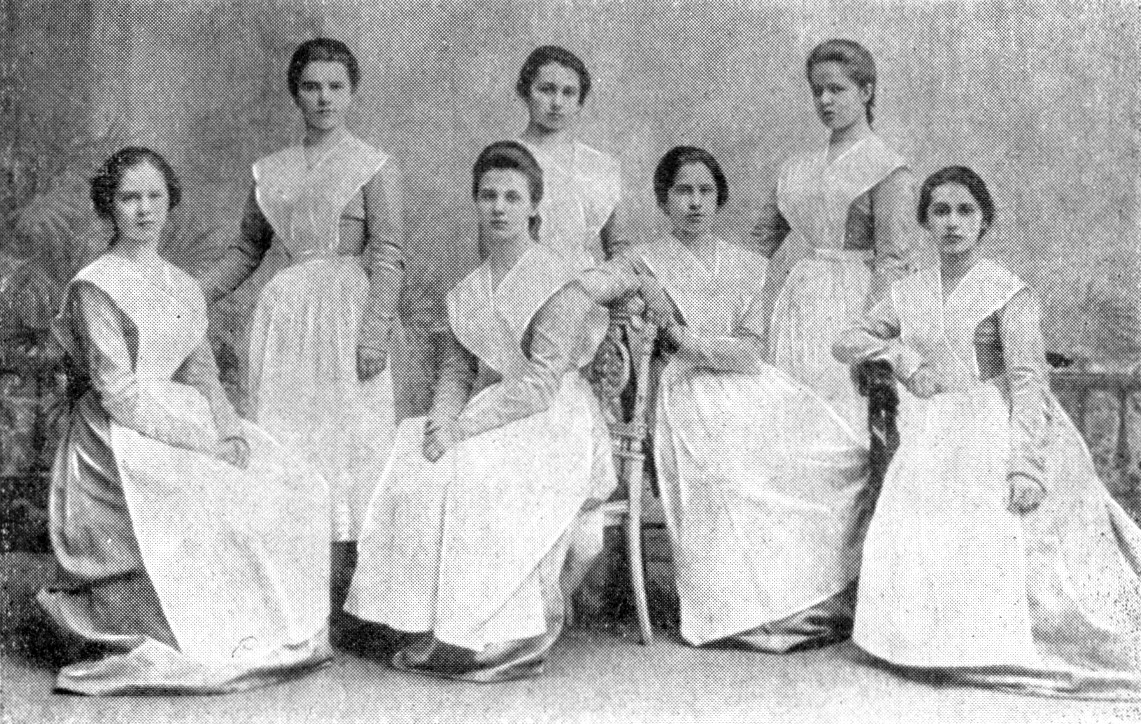
Karsavina trained in the Imperial system in St. Petersburg and graduated into the company commonly known as the Imperial Ballet at the Mariinsky Theatre. Her foundation in the Russian classical technique prepared her for principal rôles at home and for collaborations with innovators who were reshaping ballet vocabulary and theatrical style around 1905–1915.
Stage career and signature roles
After establishing herself with the Imperial company, Karsavina joined Serge Diaghilev's touring company, the Ballets Russes, where she created and premiered several roles that became cornerstones of the repertory. Her original portrayals included the title figure in The Firebird, the Ballerina in Petrushka and The Young Girl in Le Spectre de la Rose. Critics and colleagues praised her ability to combine pristine technique with vivid theatrical nuance, making abstract choreography emotionally convincing.
Teaching, influence and institutional work
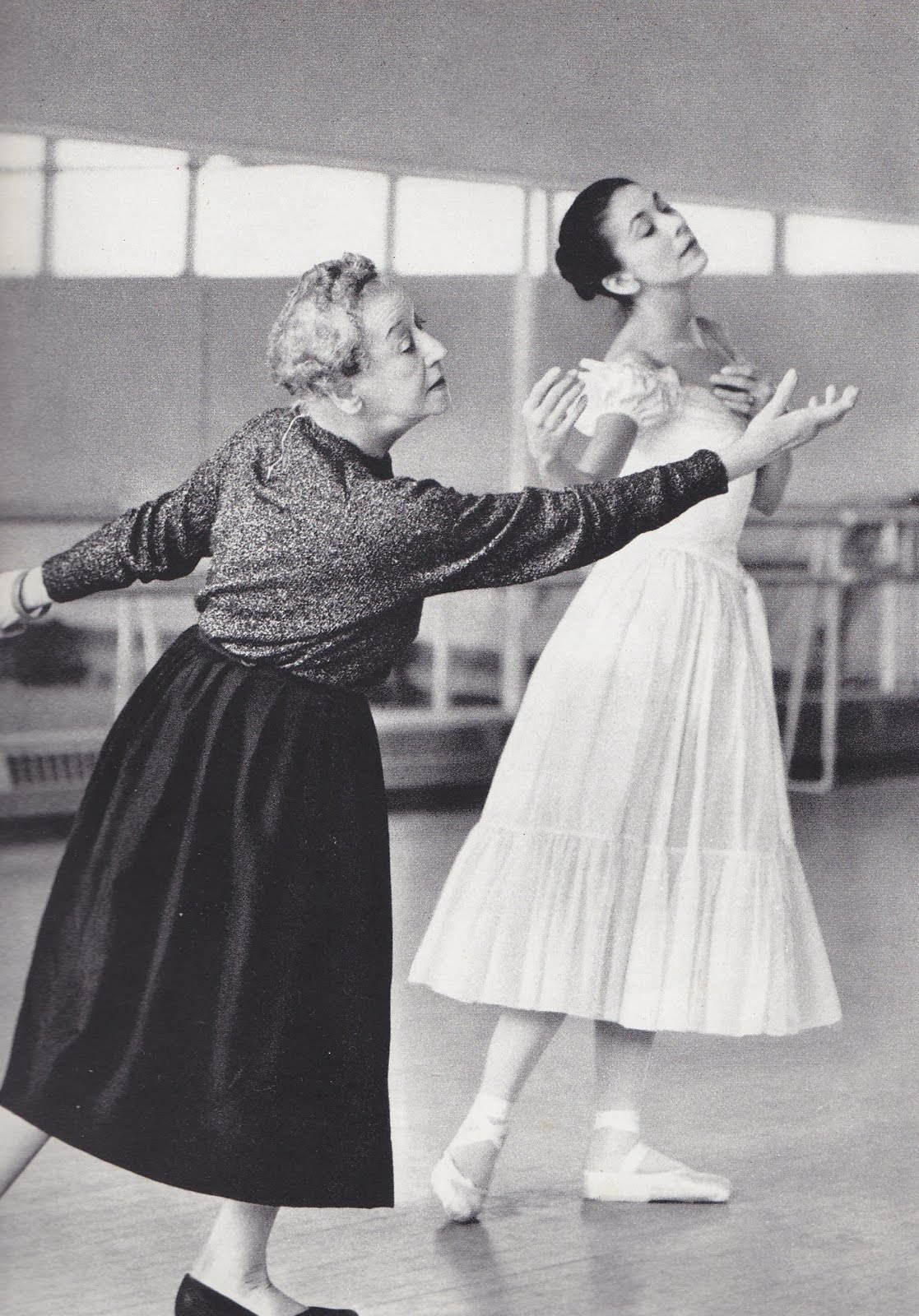
After leaving the active touring life she settled in Hampstead, London, and concentrated on teaching, coaching and advising. Karsavina played a practical part in establishing ballet institutions in Britain: she assisted in the foundation and development of what became The Royal Ballet and was a founding member of the Royal Academy of Dance. As a teacher and coach she influenced generations; among her better known pupils were Dame Alicia Markova and Dame Margot Fonteyn, both of whom became leading figures of British ballet.
Writings and legacy
Karsavina recorded her memories and method in two books: the autobiography Theatre Street (1930) and the instructional volume Classical Ballet: The Flow of Movement (1962). These works preserve first‑hand accounts of the pre‑revolutionary Russian stage and offer practical guidance on phrasing and expressive detail. Her teaching emphasized musical timing, clarity of line and the theatrical life of a role, ideas that filtered into mid‑century British technique and repertory practice.
Notable distinctions and historical importance
- Karsavina is remembered as a principal link between the 19th‑century Russian tradition and modern 20th‑century ballet innovation.
- Her creation of roles with the Ballets Russes helped popularize new choreographic approaches and composer‑dancer collaborations.
- Through teaching and institutional work she contributed to the professionalisation of ballet training in Britain and to the careers of leading British dancers.
Today Karsavina's influence remains visible in the performance practice of classical and character roles and in the institutions that codified and transmitted professional ballet training outside Russia. Her combination of technical refinement and theatrical intelligence made her a model for dancers who sought both precision and expressive truth on stage.
Questions and answers
Q: Who was Tamara Platonovna Karsavina?
A: Tamara Platonovna Karsavina was a Russian ballerina.
Q: Where did Karsavina start her career as a ballerina?
A: Karsavina began her career in the Imperial Russian Ballet.
Q: With which ballet company did Karsavina dance later in her career?
A: Karsavina danced with Diaghilev's Ballets Russes later in her career.
Q: What are some of the roles that Karsavina created?
A: Karsavina created the title role in The Firebird, the Ballerina in Petrushka, and The Young Girl in Le Spectre de la Rose.
Q: What did Karsavina do after settling in Hampstead, London?
A: After settling in Hampstead, London, Karsavina began teaching ballet professionally.
Q: Who were some of Karsavina's pupils?
A: Karsavina's pupils included Dame Alicia Markova and Dame Margot Fonteyn.
Q: What were some of Karsavina's written works?
A: Karsavina wrote two books: the autobiography Theatre Street (1930) and the dance textbook Classical Ballet: the flow of movement (1962).
Author
AlegsaOnline.com Tamara Karsavina: Russian-born ballerina, Ballets Russes star and teacher Leandro Alegsa
URL: https://en.alegsaonline.com/art/131569