
Svante Arrhenius — Swedish scientist and pioneer of physical chemistry
Overview of Svante Arrhenius (1859–1927), his contributions to physical chemistry, ionic dissociation and the Arrhenius equation, and his early prediction that CO2 emissions could warm Earth.
Overview
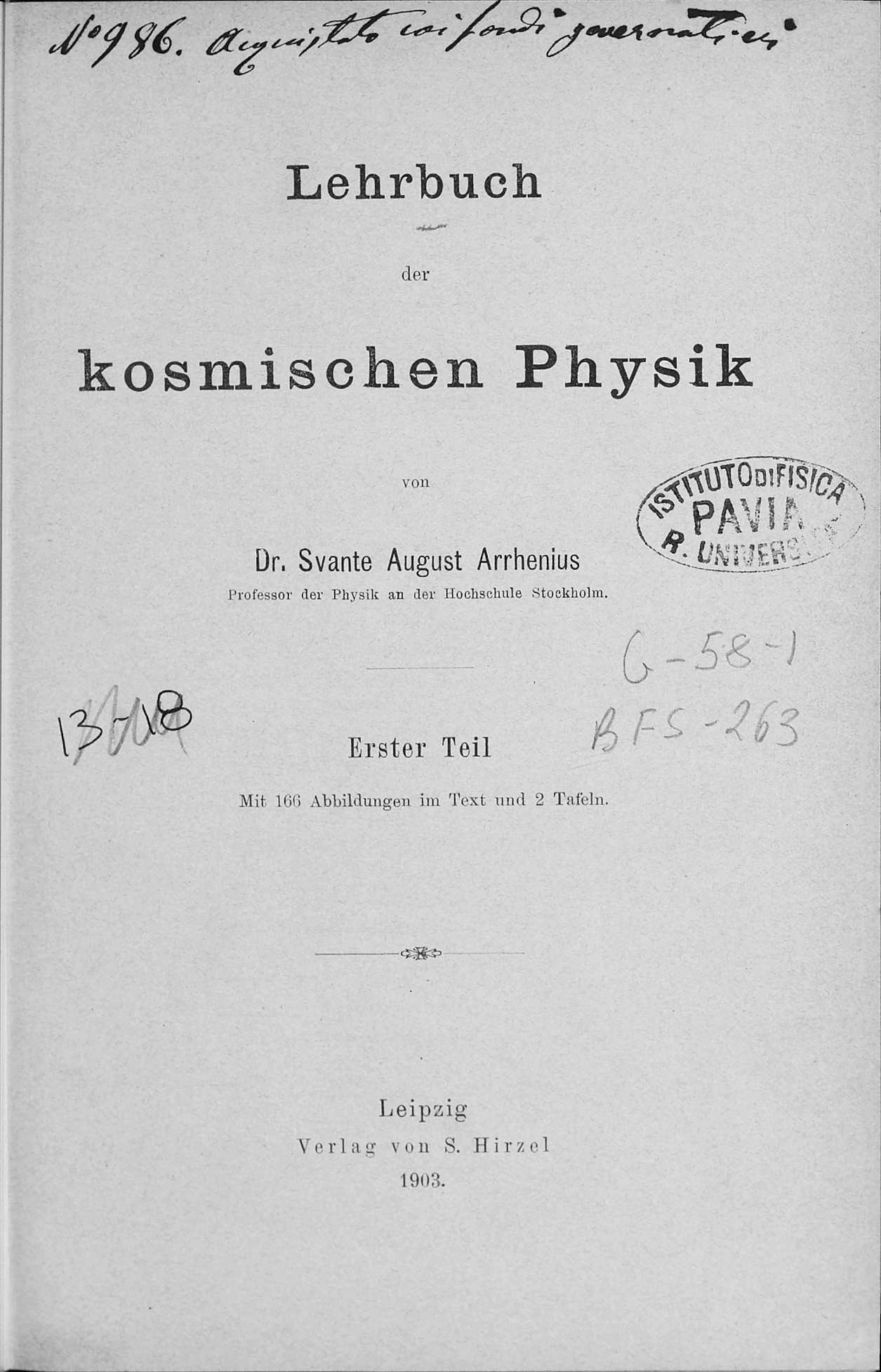
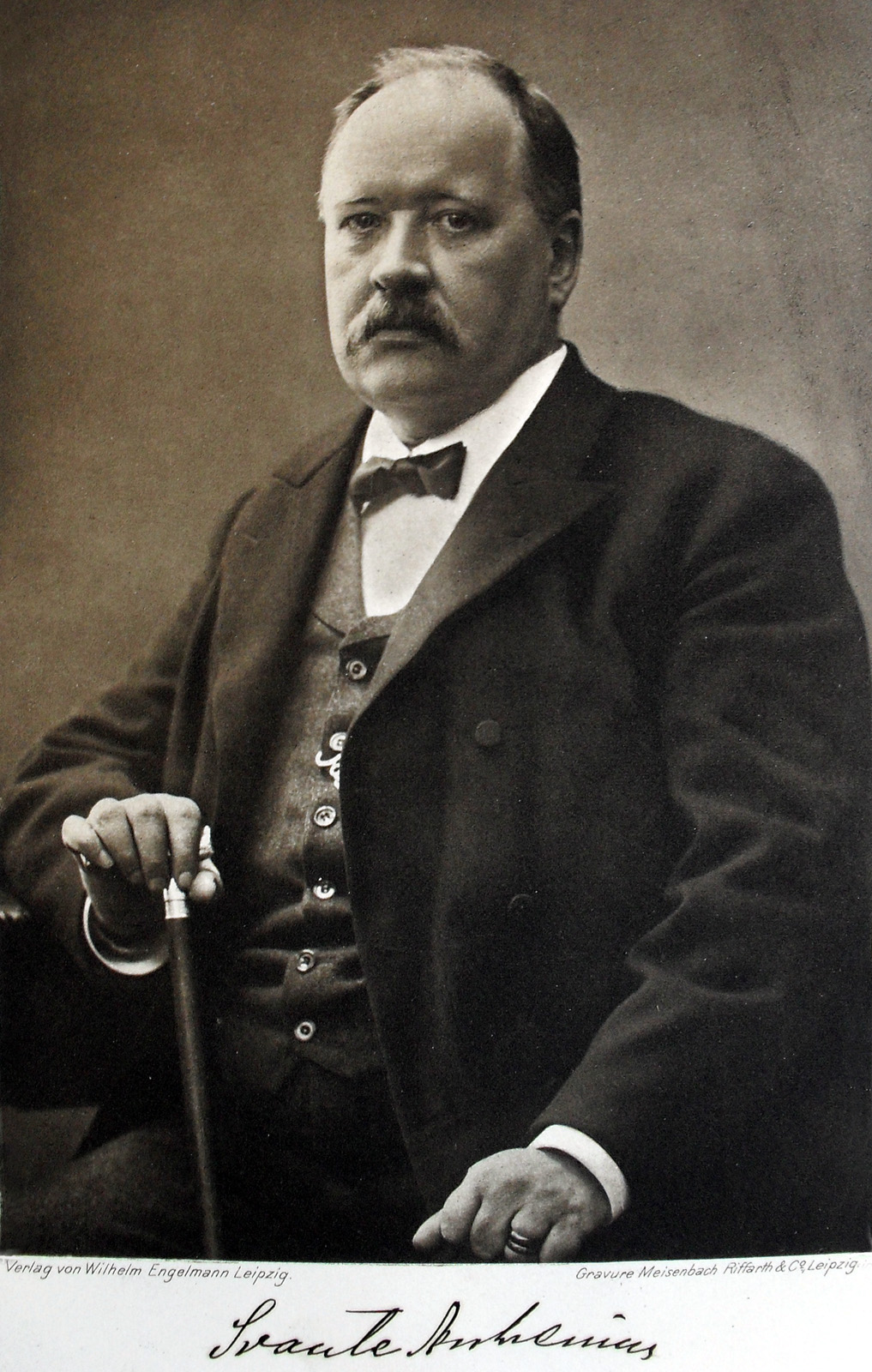
Svante August Arrhenius (19 February 1859 – 2 October 1927) was a prominent Swedish researcher and public intellectual. He is widely remembered both as a theoretical scientist who bridged physics and chemistry and as a laureate of the 1903 Nobel Prize in Chemistry.
Image gallery
10 Images






Career and scientific approach
Trained originally as a physicist, Arrhenius helped establish the field of physical chemistry by applying quantitative, physics-based ideas to chemical problems. He argued that many chemical phenomena could be explained by molecular motions and interactions rather than purely descriptive rules, a perspective that shaped laboratory and theoretical practice.
Key contributions
- Ionic dissociation theory: Arrhenius proposed that salts and acids split into charged particles (ions) in solution, a concept central to much of modern electrochemistry and analytical chemistry. See also his work in chemistry.
- Arrhenius equation: He introduced a mathematical expression for the temperature dependence of reaction rates, which remains fundamental in chemical kinetics and materials science.
- Physical models: His use of quantitative models extended into earth science topics and the study of reaction mechanisms.
These ideas altered how researchers interpreted conductivity, acidity, and rate processes; some were initially controversial but later became standard in textbooks and practice.
Climate science and atmospheric work
Arrhenius was among the first scientists to consider how atmospheric gases affect surface temperature. He calculated that increases in carbon dioxide could change the balance of heat in the atmosphere and suggested that emissions from burning fossil fuels might raise global temperatures — an early statement of what is now called global warming. While his numerical estimates and some assumptions differed from later work, his qualitative insight into greenhouse warming is widely cited as pioneering.
Recognition, later life and legacy
Arrhenius received international recognition for his theoretical innovations and for promoting science in public life. Although he began in experimental and theoretical physics, his lasting imprint is in physical chemistry and in foundations for climate science. His name survives in terms such as the "Arrhenius equation" and in discussions of how human activities influence planetary heat balance. Modern researchers continue to build on the frameworks he introduced, adapting them with improved data and computational methods.
For further reading and primary sources, follow specialist links or institutional archives that collect his papers and later analyses of his work: Nobel materials, biographical repositories and reviews of his contributions to both chemistry and earth science.
Questions and answers
Q: Who was Svante Arrhenius?
A: Svante Arrhenius was a Nobel Prize-winning Swedish scientist who made discoveries in physics, chemistry, and earth science.
Q: What was Svante Arrhenius known for?
A: Svante Arrhenius was known for being the first person to predict that emissions of carbon dioxide, from the burning of fossil fuels, would cause global warming.
Q: What did Svante Arrhenius win the Nobel Prize for?
A: Svante Arrhenius won the Nobel Prize in Chemistry in 1903.
Q: Was Svante Arrhenius only a physicist?
A: No, although Svante Arrhenius was originally a physicist, he also made significant contributions to chemistry and earth science.
Q: What fields of science did Svante Arrhenius work in?
A: Svante Arrhenius worked in the fields of physics, chemistry, and earth science.
Q: Which scientific problem did Svante Arrhenius turn to later in life?
A: Later in life, Svante Arrhenius turned to other scientific problems beyond physics, chemistry, and earth science.
Q: What did Svante Arrhenius predict about the burning of fossil fuels?
A: Svante Arrhenius predicted that emissions of carbon dioxide from the burning of fossil fuels would cause global warming.
Author
AlegsaOnline.com Svante Arrhenius — Swedish scientist and pioneer of physical chemistry Leandro Alegsa
URL: https://en.alegsaonline.com/art/131486