
Susan Polgar: Hungarian–American chess player, coach and promoter
Susan Polgar (born 1969) is a Hungarian–American chess Grandmaster, former Women's World Champion (1996–1999), coach, founder of SPICE at Texas Tech, and a leading promoter of scholastic chess.
Overview
Susan Polgar (born Polgár Zsuzsanna on 19 April 1969) is a Hungarian–American chess player, coach and organizer who became one of the best-known women in chess in the late 20th century. Often cited alongside her sisters as part of a family training experiment, she rose rapidly in international competition, became a leading female Grandmaster and later devoted much of her career to teaching and promoting chess.
Image gallery
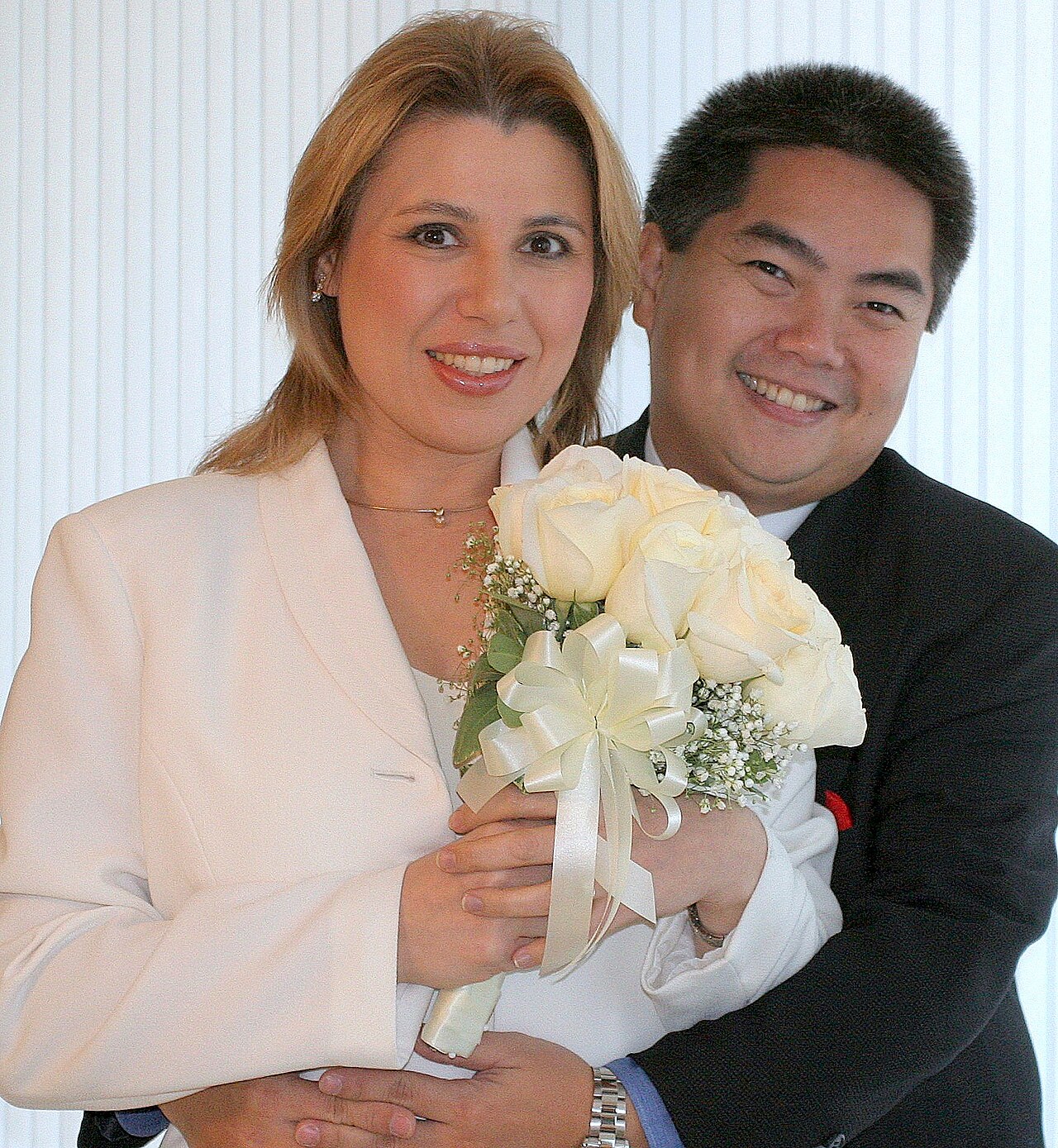
5 Images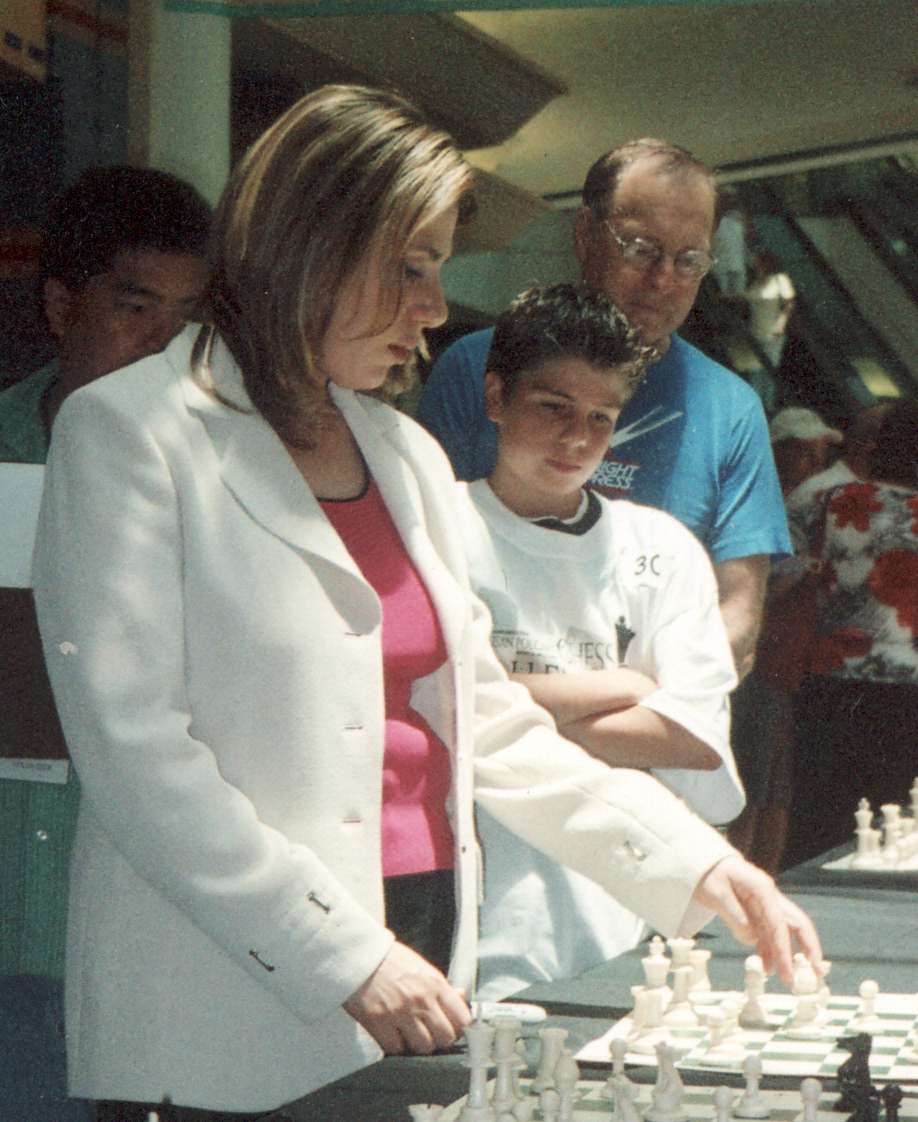



Early life and chess education
Polgar was born and raised in Budapest, in a household that emphasized systematic study and early instruction. From a young age she benefited from intensive daily training and competition; by her mid-teens she was already among the world’s strongest women players. She is commonly referred to by the Hungarian form of her name, Zsuzsa Polgár, and later adopted the Anglicized form Susan after moving to the United States.
Competitive career and achievements
Susan Polgar won numerous international tournaments and held the title of Women's World Chess Champion from 1996 to 1999. During her active years she was consistently rated among the top women in the world and achieved titles that placed her among the strongest female Grandmasters. Her competitive résumé includes international medals, national championships, and notable tournament victories; she has often been compared with her sister Judit Polgár, another prominent figure in modern chess.
Style and contributions over the board
Polgar's playing style has been described as well-prepared and pragmatic, combining opening preparation with practical endgame technique. In published games and annotations she has shown an interest in instructive examples and practical decision-making, which later influenced her work as a teacher and coach.
Coaching, institutions and promotion
After reducing her tournament schedule, Polgar focused on coaching, administration and outreach. She founded educational initiatives and ran the Polgar Chess Center and the Susan Polgar Foundation, which offers training and tournaments for children and emphasizes opportunities for girls. She later became director of the Susan Polgar Institute for Chess Excellence (SPICE) at Texas Tech University, a program combining competitive coaching, academic study and community outreach aimed at integrating chess into broader educational objectives.
Involvement in chess governance
Polgar has been active in chess governance and international circles, engaging with national and global bodies. She served on the executive board of the United States Chess Federation and has been a visible participant in discussions involving FIDE and other organizations. Some of her administrative roles were accompanied by disputes and controversies typical of public positions; she was later removed from a leadership post in her national federation after internal disagreements.
Residence, teaching and public outreach
Originally from Hungary, Polgar emigrated to the United States and has lived in several American communities while maintaining international ties. She ran programs in Forest Hills, Queens, and later relocated to Lubbock, Texas, where she has continued coaching, directing scholastic events and developing curriculum materials. Her work for young players has included camps, school programs and authored instructional materials aimed at improving access to chess for children.
Publications and media
Polgar has written about chess instruction and contributed to coaching literature and columns. Her publications and public lectures emphasize systematic training, practical exercises for improving calculation and pattern recognition, and methods for encouraging girls to enter competitive chess. She has also participated in interviews and instructional videos aimed at general audiences.
Legacy and recognition
- Former Women's World Chess Champion (1996–1999).
- Recognized as one of the most influential female Grandmasters and a leading proponent of scholastic chess instruction.
- Founder and director of educational chess programs and a university-based institute (SPICE) that links competitive play with academic study.
- Part of the Polgár family, whose three sisters are prominent in competitive chess and in debates about training methods and talent development.
For readers seeking more detailed tournament records, biographies and interviews, chess archives and national federations provide primary documentation and game collections. Polgar's career spans competitive success, public education and organizational leadership, and her influence is visible in the growth of scholastic chess programs and in wider discussions about women in competitive chess.
Hungarian heritage, a long American residency and a continuing public role have shaped Susan Polgar's multifaceted career. Her work as a competitor, coach, organizer and author makes her a key figure in contemporary chess history and education.
chess player | FIDE | Judit Polgár | Texas Tech | US Chess Federation | Budapest | Lubbock, Texas | Forest Hills
Questions and answers
Q: What is Susan Polgar's birth name?
A: Her birth name is Polgár Zsuzsanna, but she is often known as Zsuzsa Polgár.
Q: When was Susan the top-ranked woman player in the world?
A: At 15 years old, Susan was the top-ranked woman player in the world.
Q: How long did Susan hold the title of Women's World Chess Champion?
A: She held the title from 1996 to 1999.
Q: What was her FIDE rating in October 2005?
A: In October 2005, her FIDE rating was 2577.
Q: Where did Susan grow up?
A: She grew up in Budapest, Hungary.
Q: Where does she currently live? A: She currently lives in Lubbock, Texas and recently moved from Forest Hills, Queens in New York City.
Q: What organization does she run at Texas Tech University?
A: She runs the Susan Polgar Institute for Chess Excellence at Texas Tech University.
Author
AlegsaOnline.com Susan Polgar: Hungarian–American chess player, coach and promoter Leandro Alegsa
URL: https://en.alegsaonline.com/art/131464