
Susan Greenfield, Baroness Greenfield — British neuroscientist, writer and broadcaster
British neuroscientist and public communicator known for research on brain function and neurodegenerative disease, leadership at the Royal Institution, popular books, media work and debated views on digital technology.
Susan Greenfield (born 1 October 1950 in Hammersmith, London) is a prominent British scientist, writer and broadcaster. Her work has focused on how the human brain functions, with a long-standing research interest in the biological processes behind neurodegenerative conditions such as Parkinson's disease and Alzheimer's disease. Alongside laboratory research she has built a reputation as an accessible populariser of neuroscience, publishing books and appearing frequently on radio and television.
Image gallery
4 Images
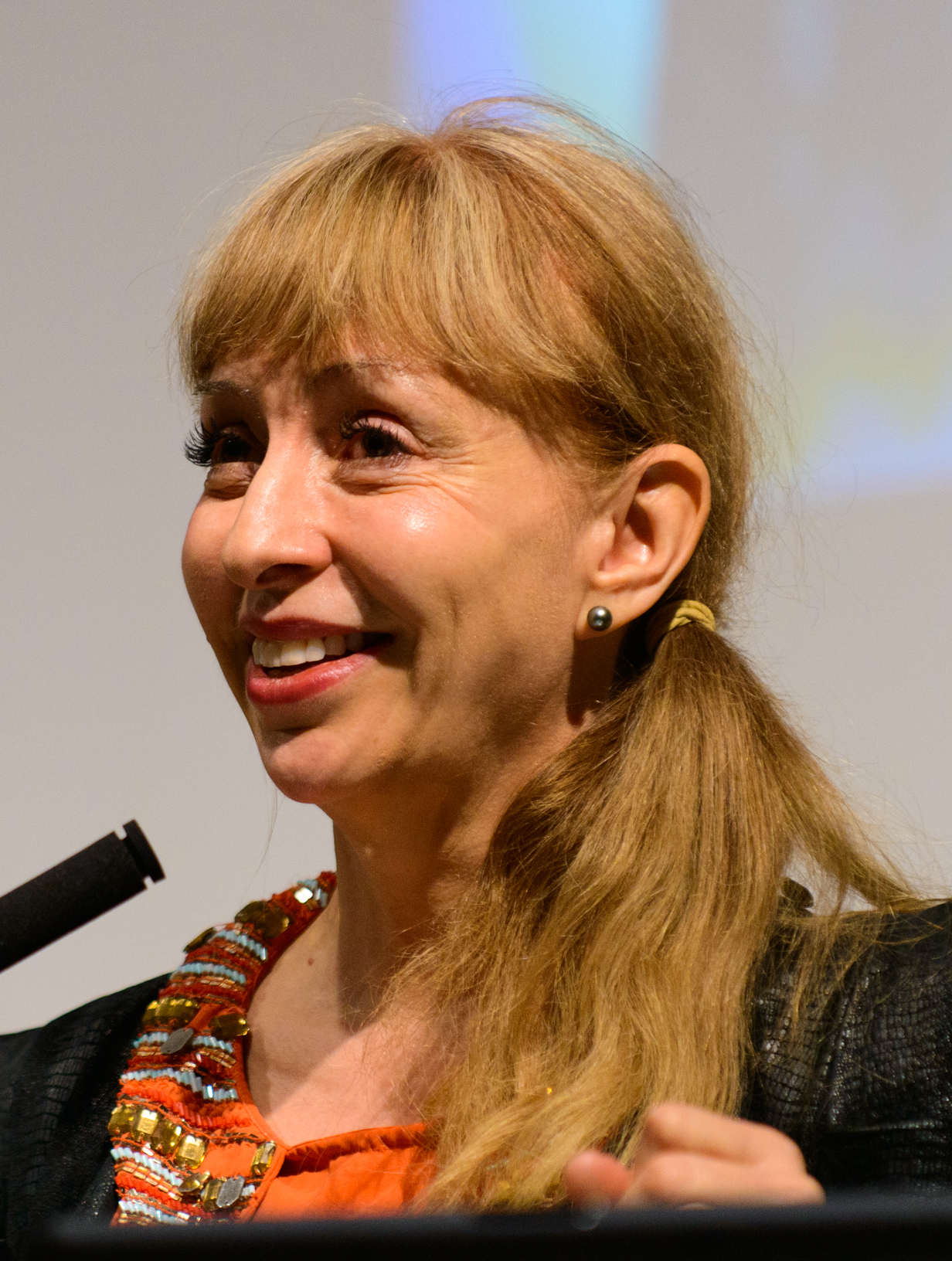


Research and academic career
Greenfield's scientific contributions center on synaptic processes, cellular mechanisms of brain ageing and the progression of neurodegenerative disorders. She has held senior academic and research positions at leading institutions and led laboratories that investigated how changes at the level of neurons and synapses relate to symptoms in disorders of movement and memory. Her approach blends laboratory studies with efforts to explain biological findings to non-specialists.
Public communication and writing
Beyond research, Greenfield is best known for translating complex neuroscience topics for wider audiences. She has written multiple books and articles intended for general readers, and is valued for a clear, conversational style that aims to make the science intelligible without oversimplifying. In 1994 she delivered the televised Christmas Lectures for young people, a landmark engagement that introduced neuroscience topics to a broad audience via the Christmas lectures.
Roles, themes and public debate
Over the years Greenfield has held leadership roles in scientific institutions and in public outreach organisations. Her public statements about the possible effects of digital technologies, gaming and intensive screen use on attention, social development and the brain have stimulated wide discussion: supporters praise the precautionary perspective for raising public awareness, while some academics have contested particular claims or the strength of the evidence. These debates illustrate the tensions that can arise when laboratory findings are taken into public policy and education conversations.
Practical contributions and recognitions
- Research into mechanisms of neurodegeneration and synaptic function that relate to diseases of ageing.
- Popular science authorship and broadcast presentations that aim to increase scientific literacy.
- Leadership in institutions promoting public engagement with science and science education.
Greenfield's career exemplifies the dual role of researcher and communicator: she has contributed to laboratory understanding of brain disorders while also shaping public dialogue about neuroscience, technology and society. Readers interested in her work can find her academic publications as well as books and recorded broadcasts that present neuroscience for non-specialist audiences; media appearances and institutional profiles provide additional context for her research and public activities.
Note: This article summarises broadly known aspects of Susan Greenfield's career, including research interests, public engagement and the debates her views have encouraged.
Further references and resources may be available via institutional pages and media archives: Hammersmith, London, British, scientist, writer, broadcaster, human brain, Parkinson's disease, Alzheimer's disease, radio and television, Christmas lectures.
Questions and answers
Q: Who is Susan Greenfield?
A: Susan Greenfield is a British scientist, writer, and broadcaster who specializes in studying how the human brain works.
Q: What diseases has Susan Greenfield researched?
A: Susan Greenfield has researched diseases such as Parkinson's disease and Alzheimer's disease, which are common in older people.
Q: What type of books has Susan Greenfield written?
A: Susan Greenfield has written several books on the human brain and its functions.
Q: Has Susan Greenfield appeared on television and radio?
A: Yes, Susan Greenfield has appeared frequently on television and radio programs.
Q: What is Susan Greenfield's skill when it comes to conveying scientific information to the public?
A: Susan Greenfield is very good at explaining scientific concepts to the public, using language that people who are not scientists can understand.
Q: What special recognition did Susan Greenfield receive in 1994?
A: In 1994, Susan Greenfield gave the series of Christmas lectures on television for young children.
Q: What is Susan Greenfield's place of birth and birth date?
A: Susan Greenfield was born on 1 October 1950 in Hammersmith, London.
Author
AlegsaOnline.com Susan Greenfield, Baroness Greenfield — British neuroscientist, writer and broadcaster Leandro Alegsa
URL: https://en.alegsaonline.com/art/131458