
Susan George (political scientist)
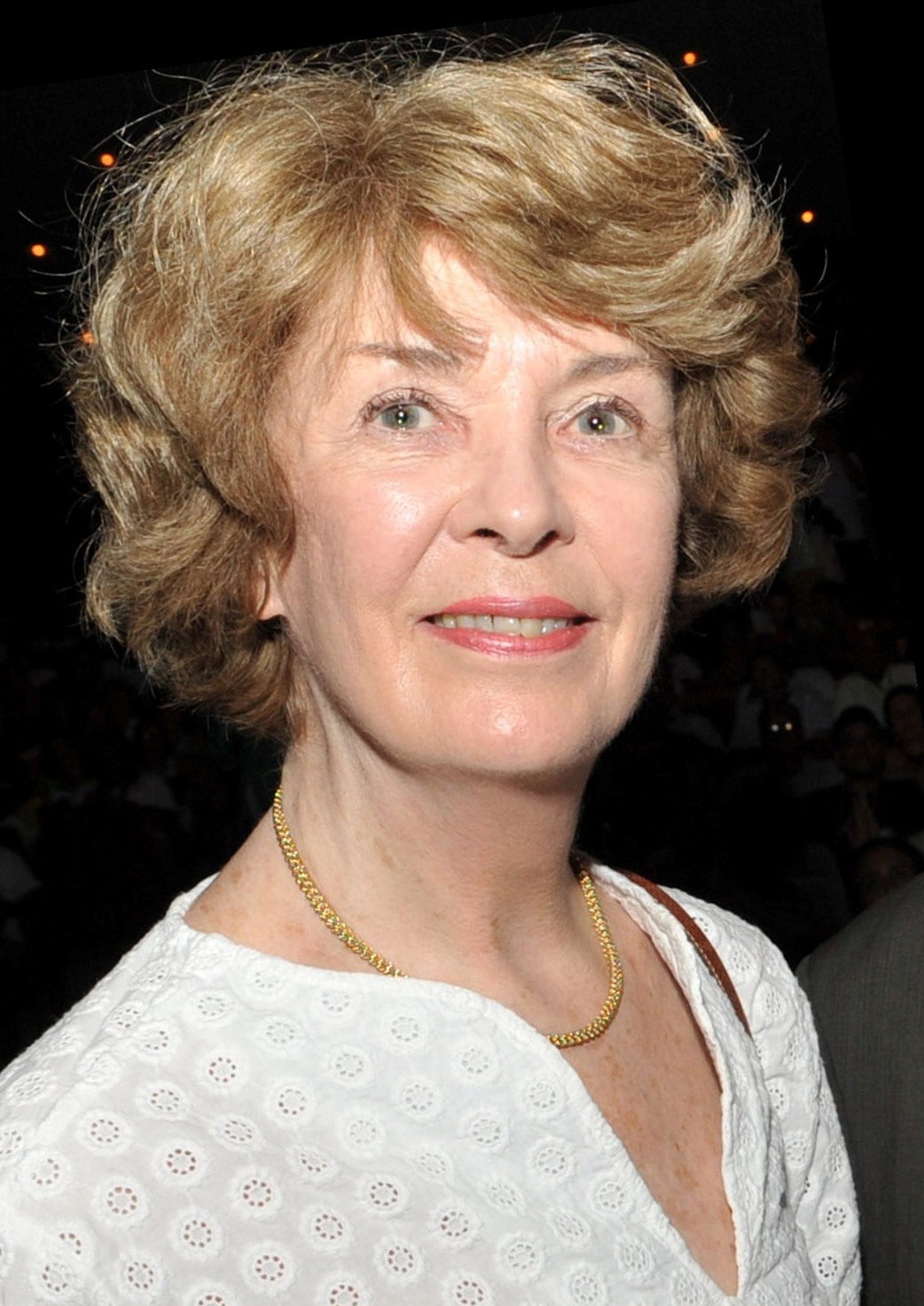
Susan George (born 1934) is an American political scientist and writer based in France, known for critical analyses of hunger, underdevelopment and international debt and for affiliation with the Transnational Institute.
Overview
Susan George (born 1934) is an American political and social scientist, author and activist best known for her critical work on world hunger, development policy and international debt. She lives in France and has been associated with civil society networks that scrutinize global economic governance. For a brief biographical outline see Susan George biography.
Image gallery
2 Images
Main themes and approach
George examines how international economic structures, corporate power and lending conditionalities contribute to poverty and food insecurity in low-income countries. Emphasizing structural and political causes, her work links agricultural policy, land access and trade rules to patterns of hunger rather than treating scarcity as merely a technical or local problem. She reads debt as a political instrument that can constrain domestic policy choices and limit social spending; more on these concerns can be found in overviews of debt and development.
Career, affiliations and activities
She is a fellow of the Transnational Institute and has served as a consultant to United Nations agencies and other international bodies. George has been a frequent public speaker at academic and policy forums, and she has worked with non‑governmental networks that campaign on issues of food sovereignty, debt relief and democratic control of economic policy. Her public criticism often focuses on the policy frameworks of the International Monetary Fund and the World Bank.
Notable work
One of her best-known books, How the Other Half Dies (first published in the 1970s), brought wide public attention to the political and economic roots of world hunger by analysing how policy choices and global markets shape food distribution. Beyond that title, she has published essays, reports and lectures addressing debt, conditionality and globalisation, and has contributed to debates linking development theory with grassroots activism.
Reception and influence
George is respected among development critics and many non-governmental organisations for making complex economic topics accessible to broader publics. Her clear, polemical style has helped popularise critique of structural adjustment and has influenced activists and scholars interested in food policy, debt relief and alternatives to mainstream development models. At the same time, some economists and policymakers have questioned her policy prescriptions or argued that she understates trade-offs involved in reform.
Further resources
Readers seeking introductions to the issues George raises can consult general materials on the Third World, surveys of international debt and development at debt resources, and institutional information from the IMF and the World Bank. Her writings remain part of coursework and activist libraries concerned with equity, food systems and democratic governance of the global economy.
Selected topics covered
- Political economy of hunger and food systems
- International debt and its social effects
- Critique of structural adjustment policies
- Calls for democratic control over economic decision-making
Questions and answers
Q: Who is Susan George?
A: Susan George (born 1934) is a well-known writer on Third World poverty, underdevelopment and debt. She is a fellow of the Transnational Institute and is a critic of the present policies of the International Monetary Fund and World Bank.
Q: What does she do?
A: She has been a consultant to United Nations agencies and is a frequent public speaker.
Q: Where does she live?
A: She is American but lives in France.
Q: What topics does she write about?
A: Susan George writes about Third World poverty, underdevelopment and debt.
Q: What organizations has she been associated with?
A: She has been associated with the Transnational Institute, International Monetary Fund, World Bank, and United Nations agencies.
Q: How often does she give public speeches?
A: She is a frequent public speaker.
Author
AlegsaOnline.com Susan George (political scientist) Leandro Alegsa
URL: https://en.alegsaonline.com/art/131457