
Suleiman I (Suleiman the Magnificent): Sultan, Lawgiver and Patron of the Arts
Suleiman I (1494–1566), called the Magnificent in the West and the Lawgiver in the Islamic world, was the Ottoman Empire’s longest-reigning sultan, noted for territorial expansion, legal reform and cultural patronage.
Overview
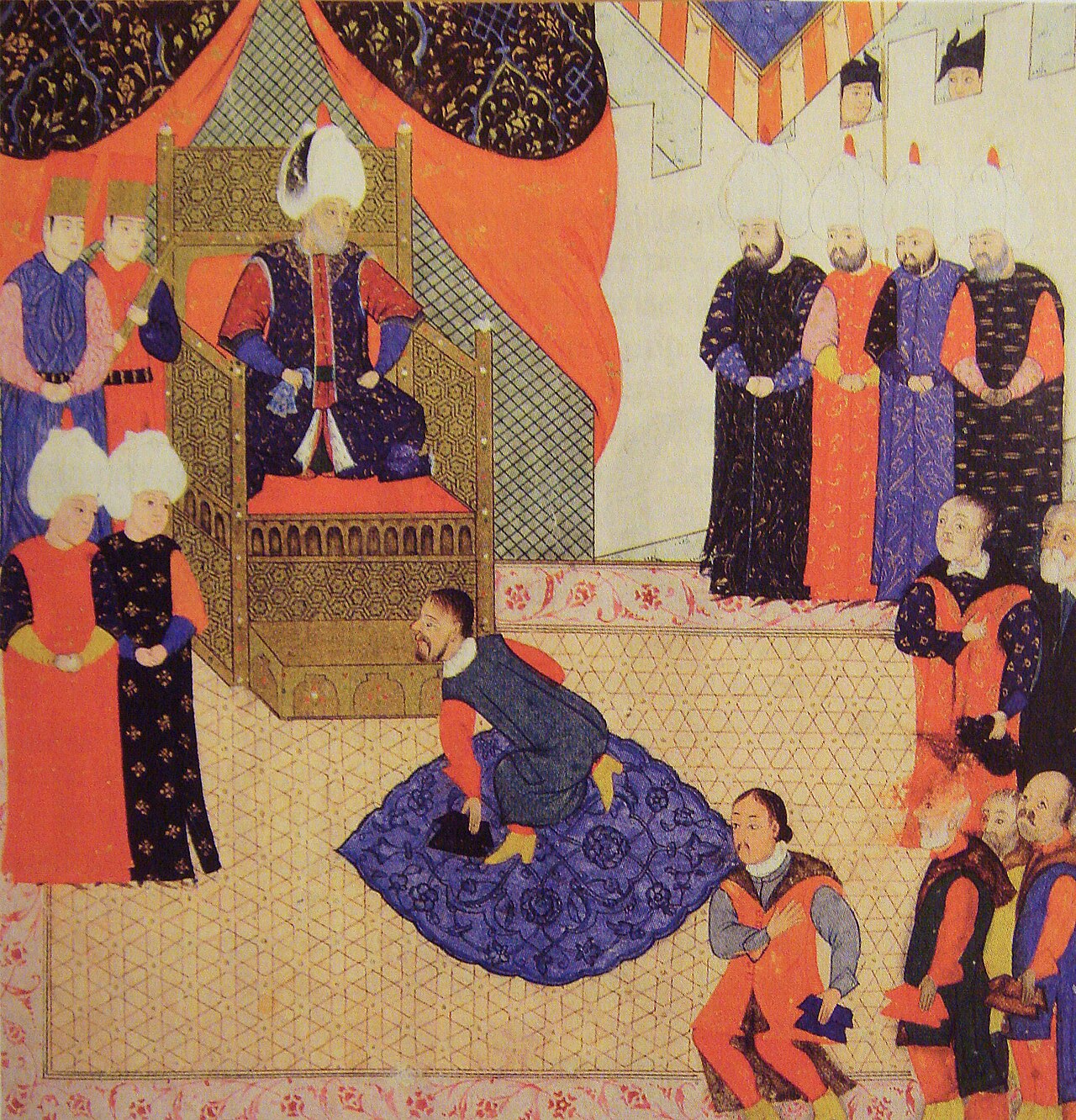
Suleiman I (born 1494, died 1566) presided over the Ottoman state for nearly half a century, ascending to the throne at about twenty-six and ruling from 1520 until his death. He is widely remembered both as a master of military expansion and as a reformer of law and administration. In European sources he is often called "Suleiman the Magnificent," while many Muslim writers honor him as the Kanuni, the lawgiver—rendered in Arabic as al-Qānūnī. His formal role was that of Sultan of the Ottoman Empire.
Image gallery
10 Images





Early life and accession
Born into the ruling house, Suleiman succeeded his father after a period of training and provincial governorships common for Ottoman princes. His household included influential advisers and a court culture that brought artisans, jurists and architects into close contact with central government. The early years of his reign focused on consolidating authority and renewing institutions inherited from his predecessors, setting the stage for both military campaigns and a systematic reworking of legal and fiscal practice.
Military campaigns and territorial growth
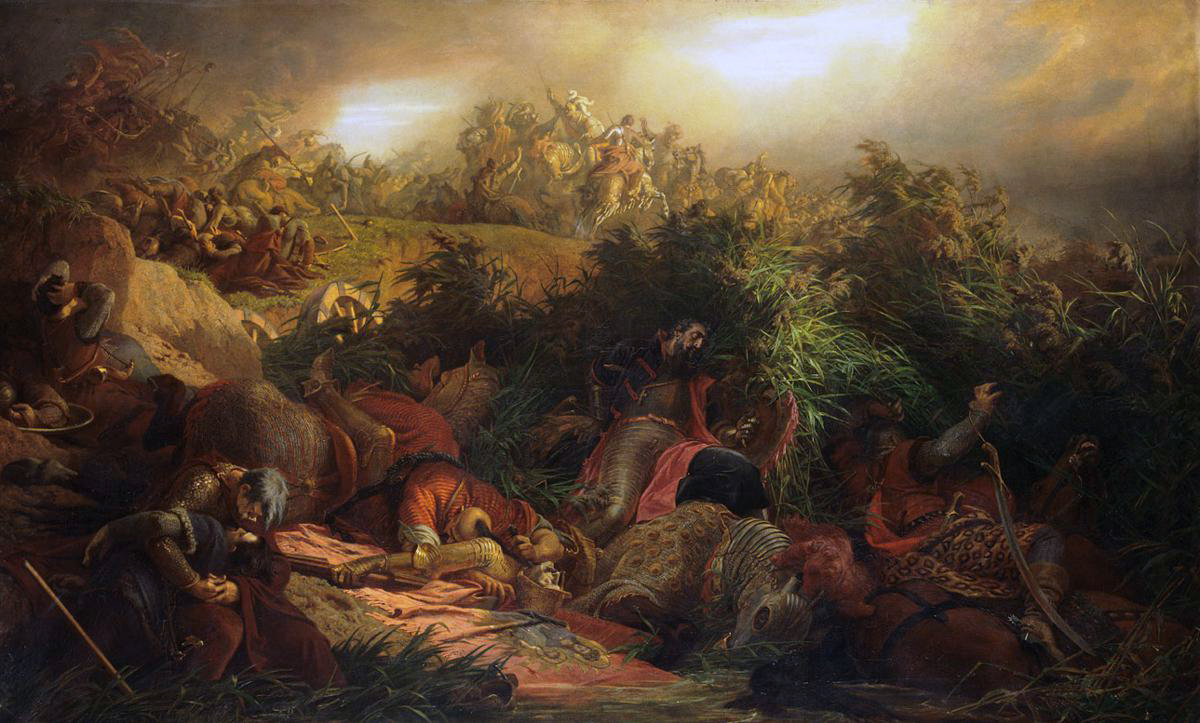
Suleiman led the empire to its greatest territorial extent in parts of Europe, Asia and Africa. He personally directed or authorized major operations across the European theatre and beyond, extending Ottoman influence far from the capital.
- Central Europe: decisive victories opened much of Hungary to Ottoman control and brought the empire into direct rivalry with the Habsburgs in Austria.
- Mediterranean and naval power: under Suleiman the Ottoman navy, led by commanders such as Barbarossa, contested sea lanes and coastal holdings.
- North Africa and the Levant: campaigns and alliances consolidated Ottoman presence along parts of the North African shores and in the eastern Mediterranean.
Law, administration and reforms
Suleiman earned the epithet of lawgiver because his reign produced extensive codification and regularization of criminal, land and fiscal law. These measures clarified the relationship between central authority and provincial elites, updated tax registers and sought to limit arbitrary practices. Contemporary Muslim chroniclers and later legal historians note his role in bringing order to a complex multiethnic empire while maintaining Islamic legal traditions alongside practical administrative rulings.
Culture, architecture and diplomacy
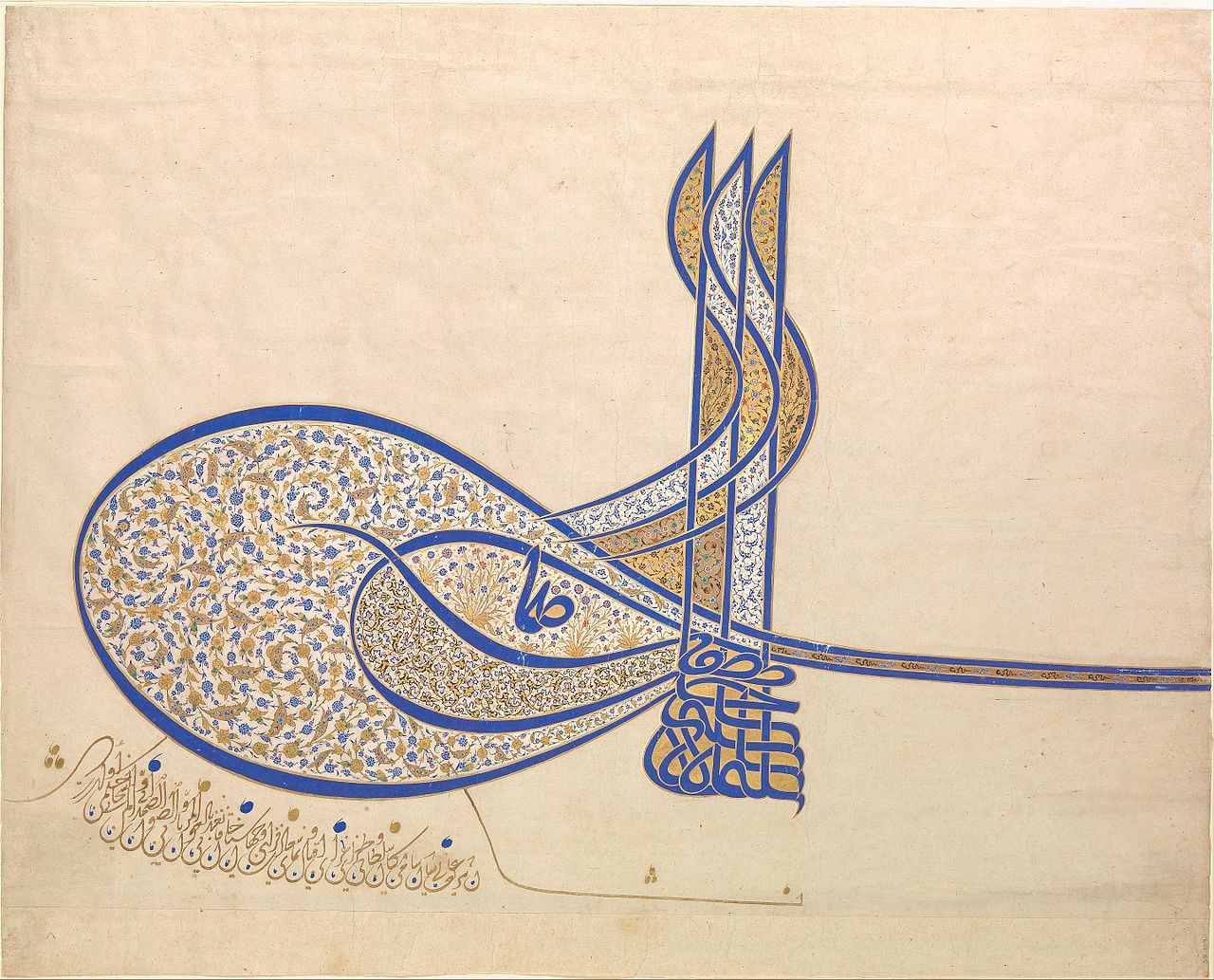
The sultan was a vigorous patron of architecture, literature and the arts. Major building projects, most famously the Süleymaniye complex in Istanbul designed by the imperial architect Mimar Sinan, reflect a fusion of imperial splendour and religious purpose. Suleiman himself wrote poetry under a pen name and supported a court culture that attracted painters, calligraphers and scholars. On the international stage he pursued active diplomacy, forming tactical understandings with European states and granting privileges that shaped commerce and alliance-building; Western observers and rulers engaged with his court as a major political actor.
Death and legacy
Suleiman died in 1566 during a military campaign. His long reign marked the high point of Ottoman political, military and cultural influence. Historians emphasize a dual legacy: territorial and administrative strength on the one hand, and a flourishing of architecture and law on the other. Accounts from his era sometimes praised him in exalted terms—reflecting contemporary politics and religious imagery—while modern scholarship places his achievements in the context of state-building and imperial competition.
For further reading and sources related to his title and reign see contemporary records and modern histories of the Ottoman state and its European interactions; for diplomatic and cultural dimensions consult works that discuss relations with the Western powers and with local elites.
Questions and answers
Q: Who was Suleiman I?
A: Suleiman I was the tenth Sultan of the Ottoman Empire. He reigned for 46 years, from 1520 to 1566.
Q: How old was he when he became sultan?
A: He became sultan when he was 26 years old.
Q: What is Suleiman known as in the West?
A: In the West, Suleiman is known as Suleiman the Magnificent.
Q: What nickname does he have in the Islamic world?
A: In the Islamic world, he is known as The Lawgiver (in Turkish Kanuni; Arabic القانونى, al‐Qānūnī).
Q: Why did people consider him to be important?
A: People considered him to be important because of his changes to the Ottoman legal system and because some even considered him to be "World Emperor and Messiah of the Last Age".
Q: Where did Suleiman lead wars during his reign?
A: During his reign, Suleiman led wars in Hungary, Austria, the Mediterranean, and parts of North Africa.
Tags
Related articles
Author
AlegsaOnline.com Suleiman I (Suleiman the Magnificent): Sultan, Lawgiver and Patron of the Arts Leandro Alegsa
URL: https://en.alegsaonline.com/art/131420