
Steve Biko: Leader of the Black Consciousness Movement
Steve Biko (1946–1977) was a South African anti‑apartheid activist who promoted Black Consciousness, helped organize student networks, and whose death in police custody galvanized international opposition to apartheid.
Overview
Stephen Bantu Biko (18 December 1946 — 12 September 1977) was a South African political activist best known for developing the Black Consciousness Movement and for his role in organizing young black leaders against racial segregation. He remains a widely recognized symbol of resistance to apartheid in South Africa. Basic biographical points include his birth details (birth) and his death in state custody (death), events often cited in accounts of the era.
Image gallery
6 Images
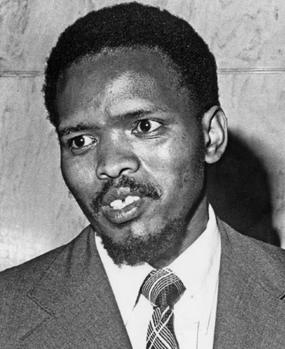


Ideas and organization
Biko argued that psychological liberation and pride were essential first steps toward political freedom. He encouraged black South Africans to recognize their own worth, reject internalized oppression, and take the lead in shaping their political agenda. He helped found the South African Students' Organisation (SASO) and used writing and public speaking to spread the movement's message, emphasizing self-reliance and cultural dignity rather than outside paternalism.
Key beliefs and activities
- Black Consciousness: fostering self-respect and community solidarity.
- Student organizing: building networks of young activists and professionals.
- Non-collaboration with systems that reinforced inequality, while promoting grassroots political education.
- Use of publications and speeches to reach broad audiences and articulate a distinct political stance against apartheid.
Arrest, death, and immediate impact
Biko faced repeated harassment, banning orders, and detention by security forces. In 1977 he was arrested and died while held by police; the circumstances of his death and the injuries he sustained provoked widespread shock. His death became an international rallying point, increasing scrutiny of apartheid-era security practices and inspiring protests, campaigns, and cultural responses abroad.
Legacy
Biko's ideas have had lasting influence on South African politics and on movements for racial justice globally. Collections of his essays and speeches, memorials, and artistic tributes—both inside and outside South Africa—keep his thought alive. His insistence on psychological as well as political emancipation remains a reference point for scholars and activists concerned with dignity, identity, and grassroots empowerment.
Notable distinctions
Although associated primarily with student and intellectual currents, Biko's approach was practical and organizational: he built institutions, wrote for popular audiences, and insisted that oppressed people lead their own struggle. His life and death highlighted the intersection of political ideas and state repression during the apartheid era.
Questions and answers
Q: Who was Steve Biko?
A: Steve Biko was a South African activist who is famous for his activism against apartheid in South Africa during the 1960s and 1970s.
Q: What is apartheid?
A: Apartheid was a system of institutionalized racial segregation and discrimination that existed in South Africa from 1948 until the early 1990s.
Q: What did Steve Biko do to fight against apartheid?
A: Steve Biko created the Black Consciousness Movement, which was a movement that aimed to empower and mobilize black people in South Africa to fight against apartheid.
Q: When was Steve Biko born and when did he die?
A: Steve Biko was born on December 18, 1946, and he died on September 12, 1977.
Q: What is the Black Consciousness Movement?
A: The Black Consciousness Movement was a movement created by Steve Biko that aimed to empower and mobilize black people in South Africa to fight against apartheid.
Q: Why is Steve Biko famous?
A: Steve Biko is famous for his activism against apartheid in South Africa during the 1960s and 1970s, and for creating the Black Consciousness Movement.
Q: When did apartheid end in South Africa?
A: Apartheid officially ended in South Africa in 1994, when Nelson Mandela was elected as the country's first black President.
Author
AlegsaOnline.com Steve Biko: Leader of the Black Consciousness Movement Leandro Alegsa
URL: https://en.alegsaonline.com/art/131295