
Stephen Foster (1826–1864): American songwriter and composer
Stephen Collins Foster was a 19th-century American composer of parlor songs, minstrel numbers, and popular tunes; his melodies became widely known and his legacy is both influential and contested.
Overview
Stephen Collins Foster (July 4, 1826 – January 13, 1864) was an American songwriter whose melodies and lyrics became staples of mid‑19th century popular music in the United States. Born in Lawrenceville, Pennsylvania (now part of Pittsburgh), Foster wrote songs that circulated in sheet music, parlors, minstrel shows and public performances. He is often cited as among the first American composers who made a living by writing popular songs and publishing sheet music. For general information about his birthplace see Lawrenceville, Pennsylvania.
Image gallery
10 Images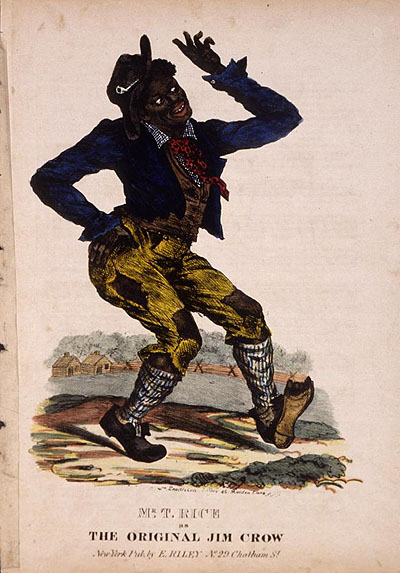


Early life and family
Foster grew up in a comfortable household and displayed musical interest from childhood. He studied and played music in domestic settings and absorbed the popular musical idioms of his time, including parlor ballads and folk tunes. In July 1850 he married Jane Denny MacDowell; the couple had a daughter, Marion. The marriage was difficult and the family lived apart at times while Foster pursued a professional career in music. Biographical surveys often note both the domestic origins of many of his songs and the tensions in his personal life.
Career and professional work
By the 1850s Foster had relocated to New York City to work in the commercial music market. There he wrote and sold songs to publishers, collaborated with performers, and sought a wider audience for his compositions. The move to New York is a key moment in his career; for context about his New York period see New York City. His efforts to write for a popular market are discussed under general topics of professional songwriting in the period.
Musical styles and genres
Foster's output is commonly grouped into several overlapping types: sentimental parlor songs intended for domestic performance, songs written for minstrel shows that use vernacular dialect and plantation imagery, and occasional topical or patriotic pieces tied to events such as the Civil War. Discussions of these styles can be found under broader musical genres of the era. Some of his most famous tunes draw on the conventions of plantation songs, a popular but now controversial category because of its stereotyped portrayals.
Representative works
Several Foster songs became widely known and remain in cultural memory. Among the best known are:
- "Oh! Susanna" — an early hit first published in the late 1840s that circulated broadly in performance and print.
- "Camptown Races" — a lively song often associated with minstrel performance traditions.
- "Jeanie with the Light Brown Hair" — a parlor ballad that exemplifies Foster's lyrical, melodic side.
- "Beautiful Dreamer" — one of his best‑known late songs, widely anthologized and performed after his death.
- Various Civil War and patriotic numbers, such as "We Are Coming, Father Abraham," written to meet contemporary demand for topical songs.
Style, themes and reception
Foster's parlor songs typically emphasize singable melodies and sentimental texts about love, home and memory. His minstrel songs adopted popular performance practices of the time, including dialect and comedic character types; these features made the tunes popular in the 19th century but have led to later criticism for perpetuating racist stereotypes. Scholarship on Foster now treats his work as both musically influential and culturally problematic, examining how his songs circulated and how attitudes toward them have changed.
Death, legacy and remembrance
Foster died in New York City on January 13, 1864, at the age of 37. At the time of his death he had experienced financial difficulties and uncertain health. Over the decades since his death, Foster has been remembered in many ways: as a foundational figure in the early commercial popular music business, as a composer of memorable melodies, and as an emblematic creator whose work reflects the complexities and contradictions of American culture in his era. Local historical sites and museums preserve aspects of his memory; for information on local sites see Lawrenceville references and musical archives often referenced under professional songwriting resources.
Controversy and modern perspectives
Modern appraisals of Foster take into account both his craft and the racialized content present in parts of his catalogue. Performers, educators, and institutions vary in how they present and contextualize his music: some emphasize melodic and historical significance, others foreground critical discussions about race and representation. Academic and public resources explore these tensions and offer frameworks for understanding Foster's work within the broader history of American popular music; see general treatments of genre and history at musical genres and discussions of minstrel-era material at plantation songs.
Foster's songs remain a subject of study in music history, folklore and cultural studies. His melodies continue to be arranged, recorded and taught, but their performance today often involves deliberate consideration of historical context and ethical presentation.
Questions and answers
Q: Who was Stephen Collins Foster?
A: Stephen Collins Foster was an American composer who was the first to be paid for his music.
Q: Where was Stephen Collins Foster born?
A: Stephen Collins Foster was born in Lawrenceville, Pennsylvania, which is now part of Pittsburgh.
Q: What was Stephen Collins Foster's most well-known and successful song?
A: Stephen Collins Foster's most well-known and successful song is "Oh! Susanna".
Q: When was "Oh! Susanna" first performed?
A: "Oh! Susanna" was first performed in the Eagle Ice Cream Saloon in Pittsburgh, Pennsylvania in 1847.
Q: Who did Stephen Collins Foster marry and how many children did they have?
A: Stephen Collins Foster married Jane Denny MacDowell in July 1850 and they had one daughter named Marion.
Q: What were the three musical genres that Stephen Collins Foster wrote mainly in?
A: The three musical genres that Stephen Collins Foster wrote mainly in were plantation songs, parlor songs, and Civil War songs.
Q: When and where did Stephen Collins Foster die?
A: Stephen Collins Foster died in New York City on January 13, 1864, at the age of 37.
Author
AlegsaOnline.com Stephen Foster (1826–1864): American songwriter and composer Leandro Alegsa
URL: https://en.alegsaonline.com/art/131217