
Stéphane Lambiel: Swiss skater, two-time World champion and Olympic medalist
Profile of Stéphane Lambiel, Swiss figure skater known for exceptional spins, two World titles, 2006 Olympic silver, career highlights, style, injuries, and later roles in coaching and shows.
Overview
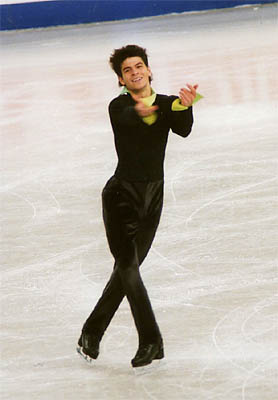
Stéphane Lambiel (born 2 April 1985 in Martigny, Valais) is a Swiss figure skater who rose to international prominence in the first decade of the 21st century. Representing Switzerland, he combined advanced spinning technique with expressive presentation to become one of the sport's most memorable performers. Lambiel won consecutive World Championship titles and earned an Olympic silver medal, and he has been widely praised for the polish of his spins and his musical sensitivity on the ice.
Image gallery
7 Images


Career highlights
Lambiel showed promise from an early age and was invited to perform in exhibitions while still a junior. A breakthrough came in 2002 when, after placing highly at the European Championships, he was selected to compete at the 2002 Winter Olympics. His major competitive achievements include:
- Two World Championship titles (mid-2000s)
- Silver medal at the 2006 Winter Olympics
- Multiple Swiss national titles at all levels
- Additional podium finishes at European and World events, including a World bronze after returning from a break
Skating style and technical strengths
Lambiel has often been described as the "full package": a skater who combined technical elements with strong artistry. He is especially celebrated for his spins—rapid, well-centered, and varied in position—earning recognition as one of the era's finest spinners. Technically he performed difficult jumps, including the quadruple, but like many skaters had specific elements that were less consistent; the triple axel was a recurring challenge for him. Beyond jumps and spins, his programs were noted for smooth transitions, musical interpretation, and attention to choreography and line, elements that frequently received high marks from judges and admiration from audiences.
Injuries, burnout and competitive interruptions
Lambiel's career was punctuated by injuries that forced him to miss Grand Prix events and other competitions. After the pressure and physical demands of elite competition, he also reported periods of low motivation and fatigue; he withdrew from some events citing mental and physical burnout and later returned to claim further medals. Discussions of his career often balance his competitive successes with an understanding of how injuries and recovery shaped his schedule and results.
Retirement and later activities
In 2010 Lambiel announced he would no longer compete internationally. In the years after retiring from eligible competition he remained active in skating through exhibition tours and professional shows, and he worked with younger skaters as a coach and choreographer. His presence at shows and involvement in training have allowed him to share the technical and artistic elements that defined his own skating, helping to influence new generations while maintaining a public profile in the sport.
Legacy and notable facts
Lambiel's legacy rests on a blend of technical skill—especially his signature spins—and expressive performance. He sustained Switzerland's visibility in men's figure skating at a time when the field was highly competitive. Observers and fans often cite his exceptional spin speed, innovative positions, and musical connection as hallmarks that set him apart. For those researching his life and career further, contemporary reports and competition records provide a detailed timeline of his achievements and the interruptions caused by injury; articles on artistic interpretation in skating also discuss his contribution to the sport's aesthetic values (artistry). Note that his pauses from competition were sometimes characterized in media accounts as periods of burnout, reflecting the mental as well as physical demands of elite skating.
Selected resources
- Biographical summaries and competition results (national and international archives)
- Video compilations of signature spins and program components
- Interviews and retrospective pieces on career decisions and post-competitive work
Questions and answers
Q: What is Stéphane Lambiel famous for?
A: Stéphane Lambiel is famous for his very good spins.
Q: How old was Stéphane when he was picked to perform an exhibition at the 1997 World Championships?
A: When he was 12 years old, Stéphane Lambiel was picked to perform an exhibition at the 1997 World Championships.
Q: What did the Swiss Olympic Committee tell him in 2002?
A: In 2002, when he was 16, the Swiss Olympic Committee told him he could go to the 2002 Winter Olympics if he placed in the top 15 at the European Championships.
Q: What medal did Stéphane win at the 2006 Winter Olympics?
A: At the 2006 Winter Olympics, Stéphane Lambiel won a silver medal (second place).
Q: What does it mean to have "the full package" as a skater?
A: To have "the full package" as a skater means having everything needed to do well - being artistic and having all of the technical elements including a quadruple jump.
Q: Why did Stéphane miss out on competing in 2007 European Championships?
A: Stéphane missed out on competing in 2007 European Championships because he said he was burnt out.
Q: When did Stéphane announce that he would no longer compete in skating?
A: In 2010, Stéphane announced that he would no longer compete in skating.
Author
AlegsaOnline.com Stéphane Lambiel: Swiss skater, two-time World champion and Olympic medalist Leandro Alegsa
URL: https://en.alegsaonline.com/art/131111