
Sonia Sotomayor: U.S. Supreme Court Justice and Legal Trailblazer
Biography of Sonia Sotomayor, her early life, education, judicial career, jurisprudence, and significance as the first Latina justice on the United States Supreme Court.
Overview
Sonia Sotomayor is an Associate Justice of the Supreme Court of the United States. Nominated in 2009, she is the first Hispanic and Latina member of the Court and the third woman to serve on the bench. Sotomayor's life story — from a childhood in the Bronx to the highest court — has been widely publicized and she is known both for her written opinions and for her public statements about law, equality and the role of judges.
Image gallery
10 Images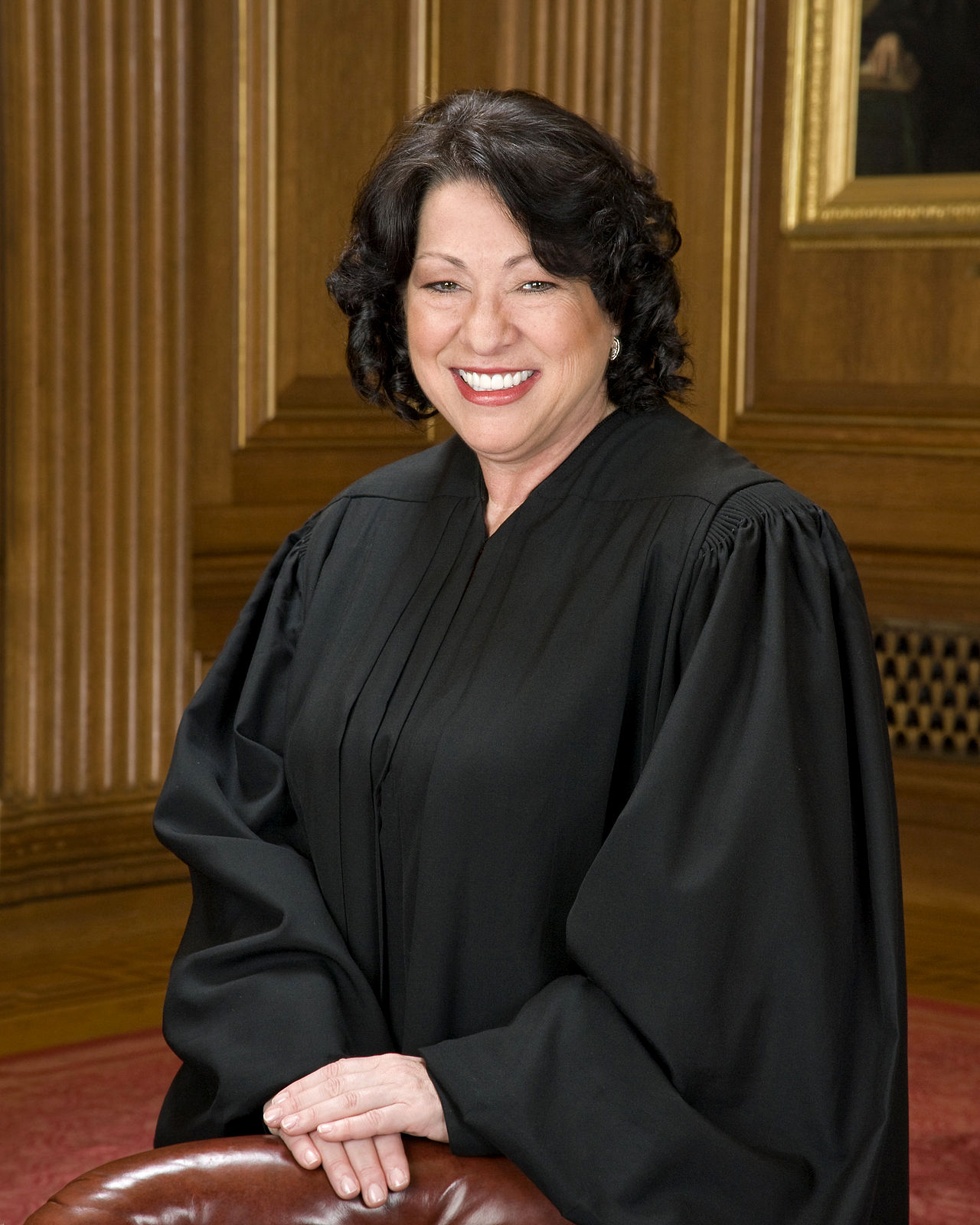





Early life and education
Sotomayor was born in New York City to parents of Puerto Rican descent and raised in the Bronx. As a child she developed an early love of reading, especially detective stories such as the Nancy Drew series, and she has often cited literature as influential in shaping her curiosity and sense of justice. Her family faced economic and health challenges while she was growing up, and she has described how those experiences affected her outlook on opportunity and fairness.
She attended college at Princeton, where she studied history and became active in student leadership and public service. Sotomayor later earned her law degree from Yale Law School, where she was part of a rigorous legal education that prepared her for a career that would include public prosecution, private practice and decades on the federal bench.
Judicial career and professional path
Before joining the Supreme Court, Sotomayor worked as an assistant district attorney, in private practice, and in various public service roles. She was appointed to the federal trial court and subsequently elevated to the U.S. Court of Appeals for the Second Circuit. During her time on the lower federal courts she heard a broad range of civil, criminal and administrative cases and issued opinions on matters including civil rights, employment and labor disputes.
Jurisprudence and public voice
On the Supreme Court, Sotomayor is generally identified with a pragmatic and human-centered approach. She has emphasized how legal rules affect ordinary people and has written forceful dissents and opinions in areas such as criminal justice, voting rights, and discrimination. Her style often underscores the practical consequences of judicial decisions and the importance of understanding the social context behind legal disputes.
Significance and legacy
Sotomayor's appointment was a landmark for representation on the nation’s highest court. She is widely regarded as a role model in Latino communities and among aspiring jurists, particularly women and those from working-class backgrounds. Her memoir and public speeches have expanded public understanding of the federal judiciary and highlighted issues of opportunity, diversity and civic responsibility.
Notable facts
- First Hispanic and Latina justice on the U.S. Supreme Court.
- Third woman to serve on the Court.
- Known for emphasizing the lived experiences of litigants in judicial reasoning.
- Has authored a memoir and frequently speaks about education, law, and community service.
Sotomayor's tenure illustrates how personal history, professional experience and public engagement can interact in the work of a Supreme Court justice. Her decisions and public commentary continue to shape debates about the role of the judiciary, equality under the law, and the importance of diverse perspectives in national institutions.
Questions and answers
Q: Who is Sonia Sotomayor?
A: Sonia Sotomayor is a United States Supreme Court justice.
Q: When did Sonia Sotomayor become a member of the Supreme Court?
A: Sonia Sotomayor has been a member of the Supreme Court since 2009.
Q: What did Sonia Sotomayor do before becoming a Supreme Court justice?
A: Before becoming a Supreme Court justice, Sonia Sotomayor was on a lower court.
Q: What is Sonia Sotomayor known for doing while on the lower court?
A: While on the lower court, Sonia Sotomayor ended the 1994 baseball strike.
Q: What makes Sonia Sotomayor unique on the Supreme Court?
A: Sonia Sotomayor is the first and only Latina (hispanic women) on the Supreme Court.
Q: Where is Sonia Sotomayor from?
A: Sonia Sotomayor is from the Bronx in New York City.
Q: What was Sonia Sotomayor's childhood like?
A: Sonia Sotomayor had a rough childhood since her alcoholic father died when she was nine. However, she was interested in reading the Nancy Drew series and other detective stories.
Author
AlegsaOnline.com Sonia Sotomayor: U.S. Supreme Court Justice and Legal Trailblazer Leandro Alegsa
URL: https://en.alegsaonline.com/art/131044