
Songtsen Gampo — founder of the Tibetan Empire
Songtsen Gampo (c. 6th–7th century) unified Tibet, promoted Buddhism, and commissioned the Tibetan script. He is a central figure in Tibetan history and cultural formation.
Overview
Songtsen Gampo (Tibetan srong btsan sgam po; Chinese name often rendered Songzan Ganbu) is traditionally remembered as the early medieval ruler who transformed a collection of Tibetan clans into a centralized polity commonly called the Tibetan Empire. He is credited with initiating major cultural and administrative changes that shaped the later history of Tibet.
Image gallery
10 Images
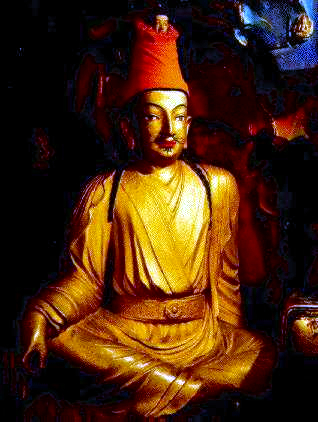


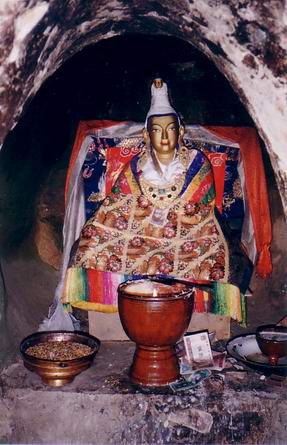


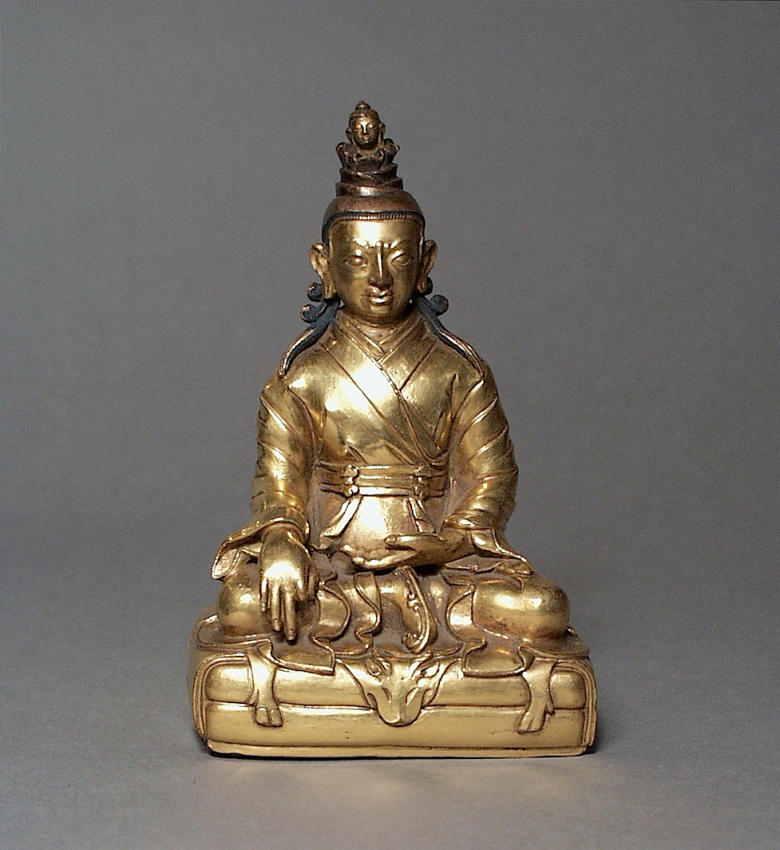

Life and reign
Dates for his life and reign are uncertain; traditional chronologies place him in the 7th century, though some sources suggest an earlier birth. Because Tibetan sources used their own calendrical system, modern historians give cautious date ranges rather than a single definitive year. During his rule he consolidated power, led military campaigns into neighboring regions, and engaged in diplomatic relations with Tang China and nearby kingdoms.
Cultural and religious reforms
Songtsen Gampo is commonly associated with the introduction and patronage of Buddhism in Tibet. Two principal figures in those narratives are his consorts — the Nepalese princess often named Bhrikuti and the Tang princess Wencheng — both linked by tradition to early Buddhist influence at court. He also commissioned the creation of a writing system for the Tibetan language; the alphabet traditionally attributed to Thonmi Sambhota was produced under royal direction to record laws, religious texts, and administration.
Achievements and institutions
- Political unification and expansion of Tibetan-controlled territory.
- Promotion of Buddhism and construction of important temples and shrines.
- Establishment of a written language for official use and literature.
- Diplomatic marriages and treaties that connected Tibet with Nepal and Tang China (diplomatic records).
Legacy and significance
Songtsen Gampo occupies a foundational place in Tibetan cultural memory: he is credited with laying the administrative, religious, and linguistic groundwork for later Tibetan civilization. His reign marks the beginning of sustained state formation, and his achievements are often cited in histories of Tibetan Buddhism, literature, and law. For further reading see general surveys and primary-source translations linked here: history overview, text collections.
Questions and answers
Q: Who was Songtsen Gampo?
A: Songtsen Gampo was the 33rd Tibetan king and founder of the Tibetan Empire.
Q: What religion did Songtsen Gampo help introduce to Tibet?
A: Songtsen Gampo helped introduce Buddhism to Tibet.
Q: Who were Songtsen Gampo's wives?
A: Songtsen Gampo had a Nepali wife named Bhrikuti and a Tang wife named Princess Wencheng.
Q: What religion were Songtsen Gampo's wives?
A: Both of Songtsen Gampo's wives were Buddhists.
Q: What did Songtsen Gampo contribute to the Tibetan language?
A: Songtsen Gampo helped invent the Tibetan alphabet and made Classical Tibetan the official language of Tibet at the time.
Q: When was Songtsen Gampo born?
A: Songtsen Gampo may have been born in 569 or 605. Tibet used their own calendar so we are still trying to figure it out.
Q: How did Songtsen Gampo impact Tibetan history?
A: Songtsen Gampo is a significant figure in Tibetan history as he founded the Tibetan Empire and introduced Buddhism to Tibet. He also helped develop the Tibetan language.
Author
AlegsaOnline.com Songtsen Gampo — founder of the Tibetan Empire Leandro Alegsa
URL: https://en.alegsaonline.com/art/131042