
Slobodan Milošević
Serbian and Yugoslav political leader of the 1990s, central to the breakup of Yugoslavia, later indicted by the ICTY and died in custody before trial verdict.
Overview

Image gallery
9 Images
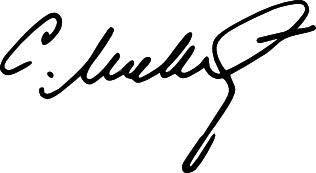
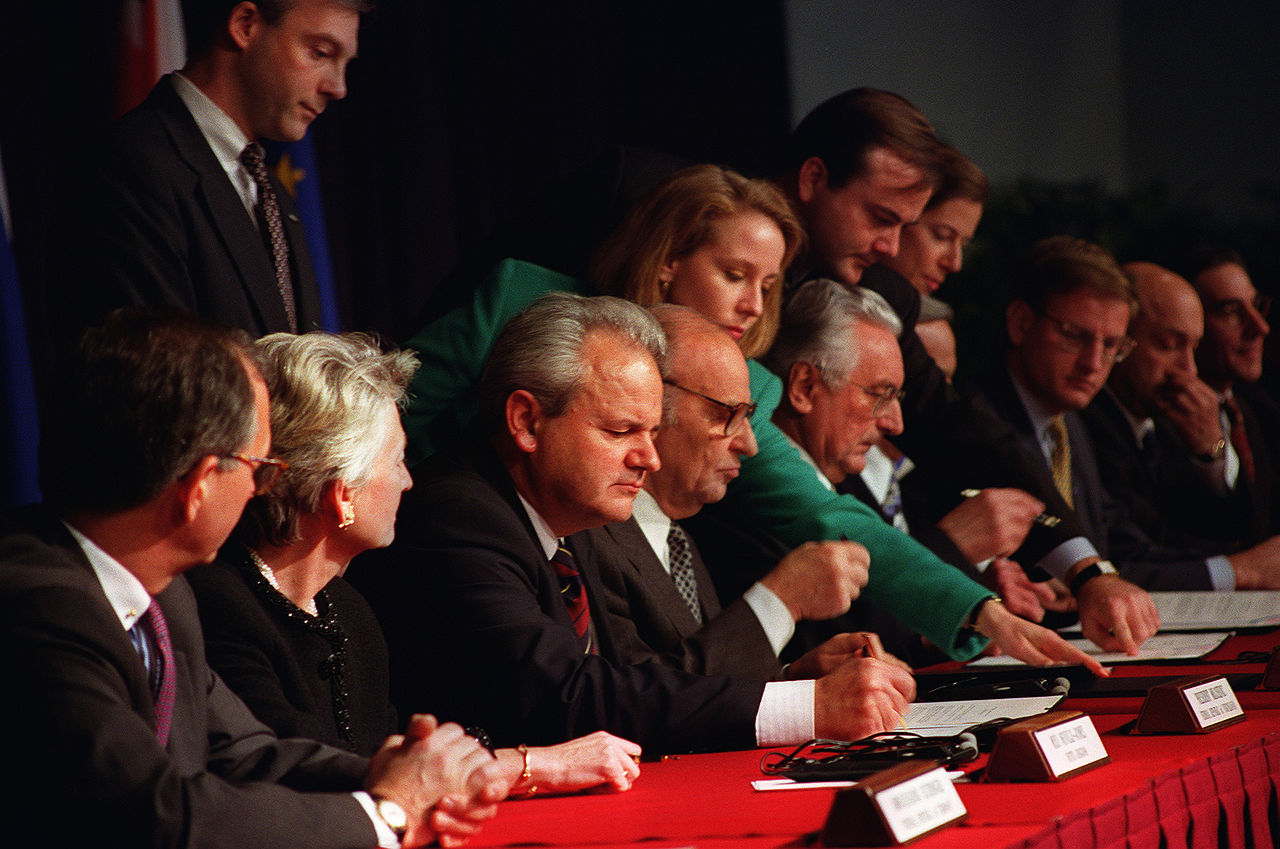


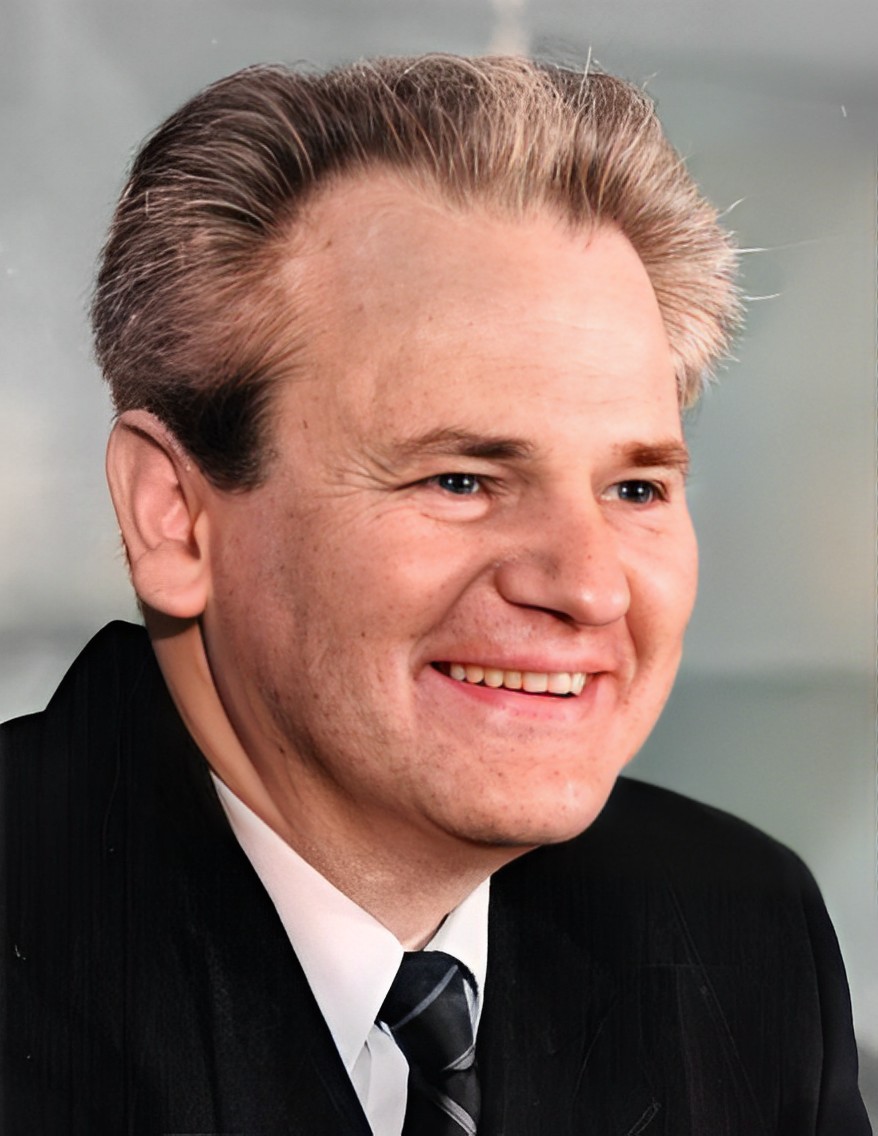

Political career and style
Milošević emerged from the ruling Communist structures of socialist Serbia and rose by cultivating a nationalist platform combined with appeals to social stability and state authority. He held the top offices in Serbia and later in the Federal Republic of Yugoslavia during the 1990s. His political style blended centralized control, close relations with party and security networks, and frequent use of televised appearances. Scholars and observers have described his approach as populist and authoritarian, with significant influence over state media and institutions.
Role in the Yugoslav conflicts
During the disintegration of Yugoslavia, Milošević’s policies and alliances affected conflicts in Slovenia, Croatia, Bosnia and Herzegovina, and Kosovo. International actors imposed economic sanctions on Serbia and Montenegro for their conduct in these conflicts, and in 1999 NATO launched an aerial campaign against Yugoslav targets related to the Kosovo crisis. Assessments of his responsibility for specific wartime actions were central to later legal proceedings.
Indictment, trial and death
In 2001 Milošević was transferred to the International Criminal Tribunal for the former Yugoslavia (ICTY) in The Hague to face charges including crimes against humanity, war crimes and genocide. His trial was one of the first major international prosecutions of a head of state. He defended himself for years before the tribunal; proceedings were lengthy and complex. Milošević died in custody in 2006 before the court issued a final judgment.
Legacy and assessments
The legacy of Milošević remains deeply contested. Supporters credit him with defending Serbian interests during a turbulent decade; critics hold him largely responsible for nationalism, repression at home, economic decline and for policies that contributed to mass suffering in the region. Historians, legal analysts and political scientists continue to debate his motives, the degree of his direct responsibility for atrocities, and the long-term effects of his rule on the Western Balkans. For broader context and documentary material see biographical resources, judicial records at international tribunals, and contemporary news archives at media summaries.
Notable facts
- His trial at the ICTY was among the first to focus on a former head of state.
- He left power after large-scale protests in 2000 that followed disputed elections.
- His rule coincided with international sanctions and a period of economic hardship in Serbia and Montenegro.
Questions and answers
Q: Who was Slobodan Milošević?
A: Slobodan Milošević was a Serbian, Yugoslav leader.
Q: What was Milošević's role in Serbia?
A: Milošević was the President of Serbia from 1989 to 1996.
Q: When did Milošević become President of the Federal Republic of Yugoslavia?
A: Milošević became President of the Federal Republic of Yugoslavia in 1996.
Q: How long did Milošević serve as President of the Federal Republic of Yugoslavia?
A: Milošević served as President of the Federal Republic of Yugoslavia from 1996 to 2000.
Q: When did Slobodan Milošević die?
A: Slobodan Milošević died on March 11, 2006.
Q: What was Milošević's full name and how is it pronounced?
A: Milošević's full name was Slobodan Milošević and it is pronounced [sloˈbodan miˈloʃevitɕ].
Q: How do you spell Milošević's first name in Serbian?
A: Milošević's first name is spelled "Слободан" in Serbian.
Author
AlegsaOnline.com Slobodan Milošević Leandro Alegsa
URL: https://en.alegsaonline.com/art/131005