
Sikandar Hayat Khan (1892–1942) — Punjabi statesman and Unionist leader
Leader of the Punjab Unionist Party and premier of Punjab (British India) from 1937–1942; a landed elite, retired army officer, and negotiator of the 1937 Sikandar–Jinnah agreement.
Sikandar Hayat Khan (1892–1942) was a leading Punjabi statesman during the final decade of British rule in India. A retired British Indian Army captain and a prominent landed magnate, he became the head of the Unionist Party in Punjab and served as the province's premier after the 1937 elections. He combined rural leadership with pragmatic cooperation with national parties and the colonial government.
Image gallery
3 Images
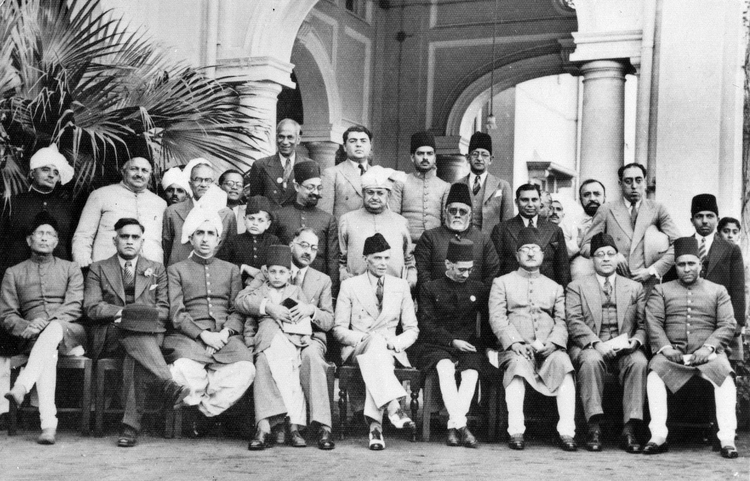

Background and political rise
Born in Punjab in 1892, Sikandar rose from a landed family to prominence through local influence, public service and military rank. Known by formal honorifics including Khan Bahadur and later a knighthood (KBE), he represented an agrarian constituency of Muslim, Sikh and Hindu landlords who sought stable provincial administration and protection of rural interests.
Offices and agreements
As leader of the Unionist Party he led a coalition that emphasized communal balance in provincial governance. His premiership after 1937 is marked by attempts to reconcile competing communal and class interests in Punjab. In 1937 he reached a notable accord with Muhammad Ali Jinnah, commonly referred to as the Sikandar–Jinnah understanding, which permitted cooperation between Muslim League efforts and Unionist local structures while preserving Punjab's cross-communal party.
Policies and style
Sikandar promoted policies favorable to rural landlords and sought administrative continuity during a volatile period. He is remembered for pragmatic, negotiated politics: maintaining law and order, protecting agrarian rights and balancing relations with both the provincial minorities and the British authorities. His style combined traditional authority with modern political organization.
Legacy and historical significance
He died in 1942 while still a central figure in Punjab politics. His passing created a leadership void that weakened the Unionist coalition in the run-up to the larger constitutional and communal crises of the 1940s. Historians view him as a key intermediary figure who bridged rural interests and emerging national movements.
- Titles and honors: Khan Bahadur, Captain (retired), Sir, KBE.
- Political affiliation: Leader of the Unionist Party in Punjab.
- Administrative role: Premier (Chief Minister) of Punjab under British India after the 1937 elections.
For further reading, consult contemporary histories of British India and studies of Punjab politics in the 1930s and 1940s that examine how provincial leaders like Sikandar Hayat Khan navigated communal tensions, colonial authority and the rise of nation‑wide parties.
Questions and answers
Q: Who was Sikandar Hayat Khan?
A: Sikandar Hayat Khan was an important Punjabi statesman and popular leader who served as the Governor and then Premier of a province in British India.
Q: When was Sikandar Hayat Khan born and when did he die?
A: Sikandar Hayat Khan was born in 1892 and he died in 1942.
Q: What was Sikandar Hayat Khan's title or rank?
A: Sikandar Hayat Khan's title or rank was Khan Bahadur Captain (retd) Sardar Sir.
Q: What did Sikandar Hayat Khan achieve during his lifetime?
A: Sikandar Hayat Khan achieved a lot during his lifetime, such as becoming a Governor and then Premier of a province in British India, as well as being an important Punjabi statesman and popular leader.
Q: What was the significance of Sikandar Hayat Khan's KBE title?
A: Sikandar Hayat Khan's KBE title indicated that he was honored as a Knight Commander of the Most Excellent Order of the British Empire.
Q: In what ways did Sikandar Hayat Khan serve his community?
A: Sikandar Hayat Khan served his community by being a Punjabi statesman and a popular leader, as well as by serving as Governor and then Premier of a province in British India.
Q: Why was Sikandar Hayat Khan an important figure in Punjabi history?
A: Sikandar Hayat Khan was an important figure in Punjabi history because of his many achievements, such as being a popular leader, a statesman, and a government official who served his community.
Author
AlegsaOnline.com Sikandar Hayat Khan (1892–1942) — Punjabi statesman and Unionist leader Leandro Alegsa
URL: https://en.alegsaonline.com/art/130927