
Septimius Severus (Roman emperor, 193–211 AD)
Roman emperor born in Leptis Magna who secured power in the Year of the Five Emperors, reformed the army, campaigned in Parthia and Britain, and founded the Severan dynasty.
Overview
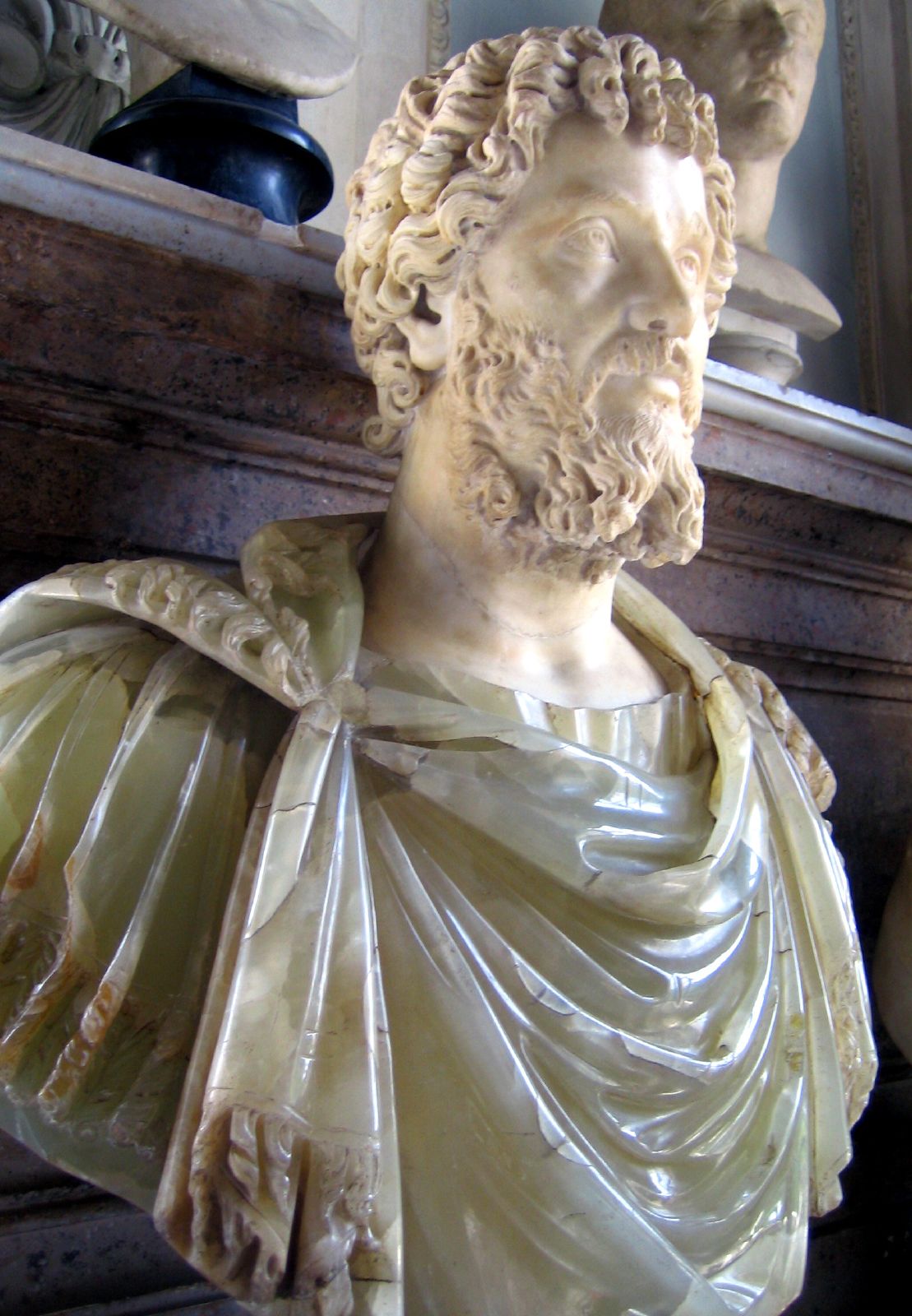
Lucius Septimius Severus (11 April 145 – 4 February 211) was a Roman emperor who ruled from 193 until his death in 211. He was born in the coastal city of Leptis Magna in the Roman province of Africa and married Julia Domna, a Syrian noblewoman, in 187. Severus rose from provincial aristocracy to control of the empire during a turbulent succession crisis and is remembered for his military emphasis, administrative changes, and cultural patronage.
Image gallery
10 Images



Rise to power
Severus advanced through military and civic posts during the later Antonine period, serving under emperors such as Marcus Aurelius and Commodus. After the short reign of Pertinax, the year 193 became known as the Year of the Five Emperors, when multiple contenders vied for the throne. Severus marched on Rome, deposed Didius Julianus, and secured his position by defeating rival claimants in the field — notably Pescennius Niger in the east and Clodius Albinus in the west — at decisive engagements such as Issus and Lugdunum.
Foreign campaigns and military policy
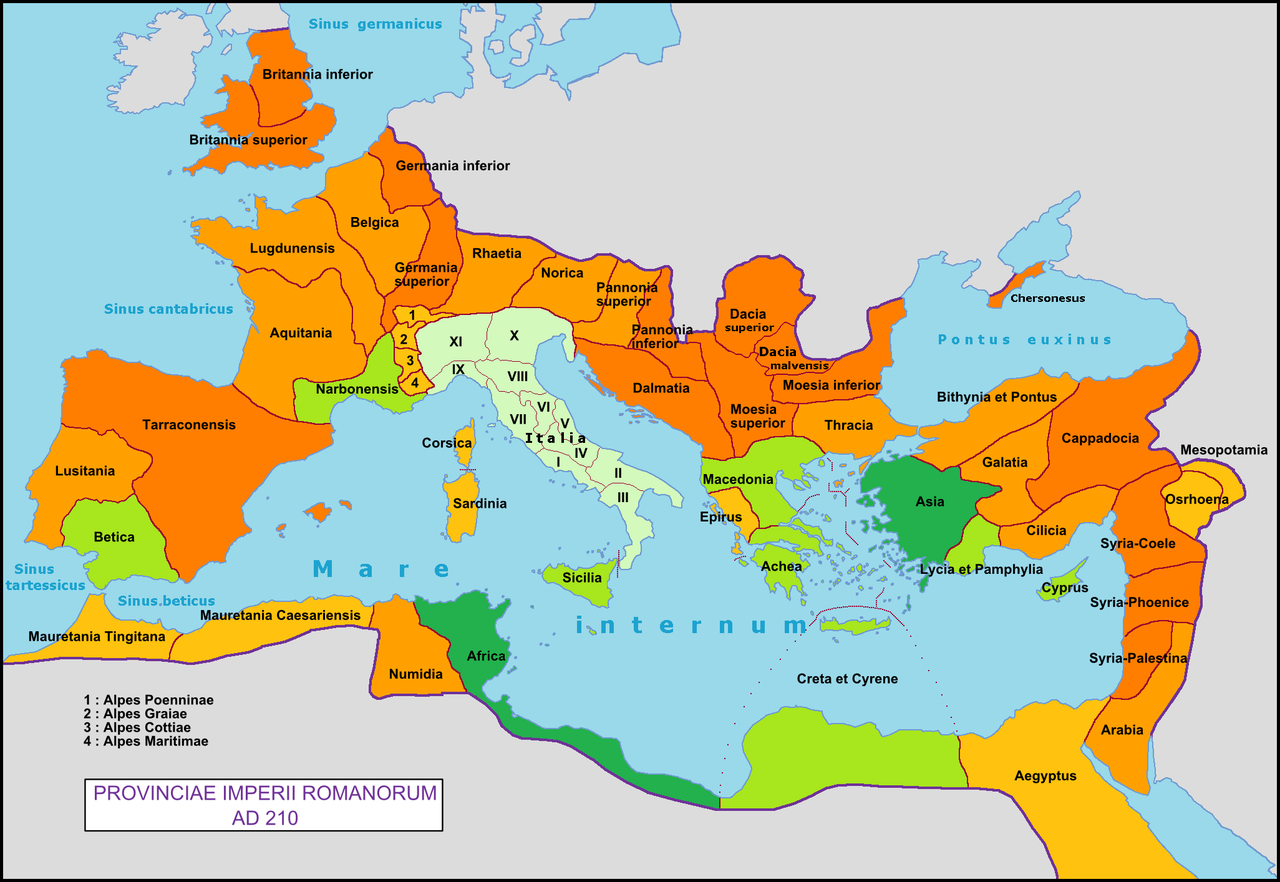
Severus placed the army at the center of imperial power. He led an eastern campaign against the Parthian realm, capturing and plundering Ctesiphon around 197, and later acted in North Africa to suppress regional threats and extend Roman control. In the final years of his life he campaigned in Britain, confronting northern tribes, including the Picts, and strengthening frontier defenses such as Hadrian's Wall. His reign emphasized higher pay, expanded recruitment and privileges for soldiers and an architecture of force that reshaped frontier policy.
Administration, family and dynasty
Domestically, Severus reorganized provincial administration, favored equestrian and military officers for key posts, and curtailed the political influence of the senatorial elite. His marriage to Julia Domna created a powerful imperial household that influenced intellectual and administrative life. On his deathbed he arranged succession for his two sons, creating the Severan dynasty, which ruled for several decades and marked a transition in imperial government toward military-backed hereditary succession.
Death, legacy and later consequences
Severus died in Eboracum (modern York) in 211 while on campaign. His arrangements for co-rule by his sons led quickly to friction and violence, and the dynasty he founded presaged deeper strains in imperial politics. The later decades of the third century saw intensified internal crises and external pressures often grouped under the term Crisis of the Third Century, a period during which the institutions Severus strengthened were both tested and transformed.
Notable aspects and cultural impact
Severus invested in monumental building projects and notably rebuilt and embellished his native Leptis Magna. Portraits and coinage from his reign emphasize a stern military image; some surviving works have been read as reflecting his African origins and multicultural imperial court. Julia Domna's role as a patron of letters and a political partner also left a mark on the cultural life of the age. Together, these elements make Severus a pivotal figure in the transition from the high empire of the second century to the more militarized politics of the third.
- Birthplace and early life: Leptis Magna
- Early service under: Marcus Aurelius, Commodus
- Key political moment: Year of the Five Emperors
- Major conflicts: against the Parthian kingdom and northern tribes in Britain including the Picts
- Frontier works: Hadrian's Wall reinforcement
- Dynastic outcome: Severan dynasty and later Crisis of the Third Century
Questions and answers
Q: Who was Septimius Severus?
A: Septimius Severus was a Roman Emperor who reigned from 193 AD to 211.
Q: Where was he born?
A: He was born in Leptis Magna, which is located in the province of Africa.
Q: Who did he marry?
A: He married Julia Domna, who hailed from Syria.
Q: What year did he seize power?
A: He seized power in 193 during the Year of the Five Emperors after the death of Emperor Pertinax.
Q: Who were his rival claimants?
A: His rival claimants were generals Pescennius Niger and Clodius Albinus.
A:He defeated Niger at the Battle of Issus in 194 and Albinus at the Battle of Lugdunum three years later.
Q:What other campaigns did he fight during his reign ?
A:During his reign, Severus waged a brief war against the Parthian Empire and sacked their capital Ctesiphon in 197. In 202, he campaigned in Africa against the Garamantes, briefly taking their capital Garama and expanding the southern frontier of the empire radically. Late in his reign, he fought against Picts in Caledonia and strengthened Hadrian's Wall in Britain.
Author
AlegsaOnline.com Septimius Severus (Roman emperor, 193–211 AD) Leandro Alegsa
URL: https://en.alegsaonline.com/art/130723