
Sergiu Celibidache: Romanian conductor and musical philosopher
Sergiu Celibidache (1912–1996) was a Romanian conductor celebrated for his live performances, intense rehearsal methods, philosophically informed approach to tempo and acoustics, and his ambivalence toward studio recordings.
Overview
Sergiu Celibidache (11 July 1912 [O.S. 28 June] – 14 August 1996) was a Romanian-born conductor who spent most of his adult life working in Germany and elsewhere in Europe. He is remembered both for his distinctive interpretations of late‑Romantic and classical repertoire and for a philosophically grounded view of musical performance that prioritized the live concert experience over recorded sound. Basic biographical summaries and references to his life can be found via biographical listings.
Image gallery
6 Images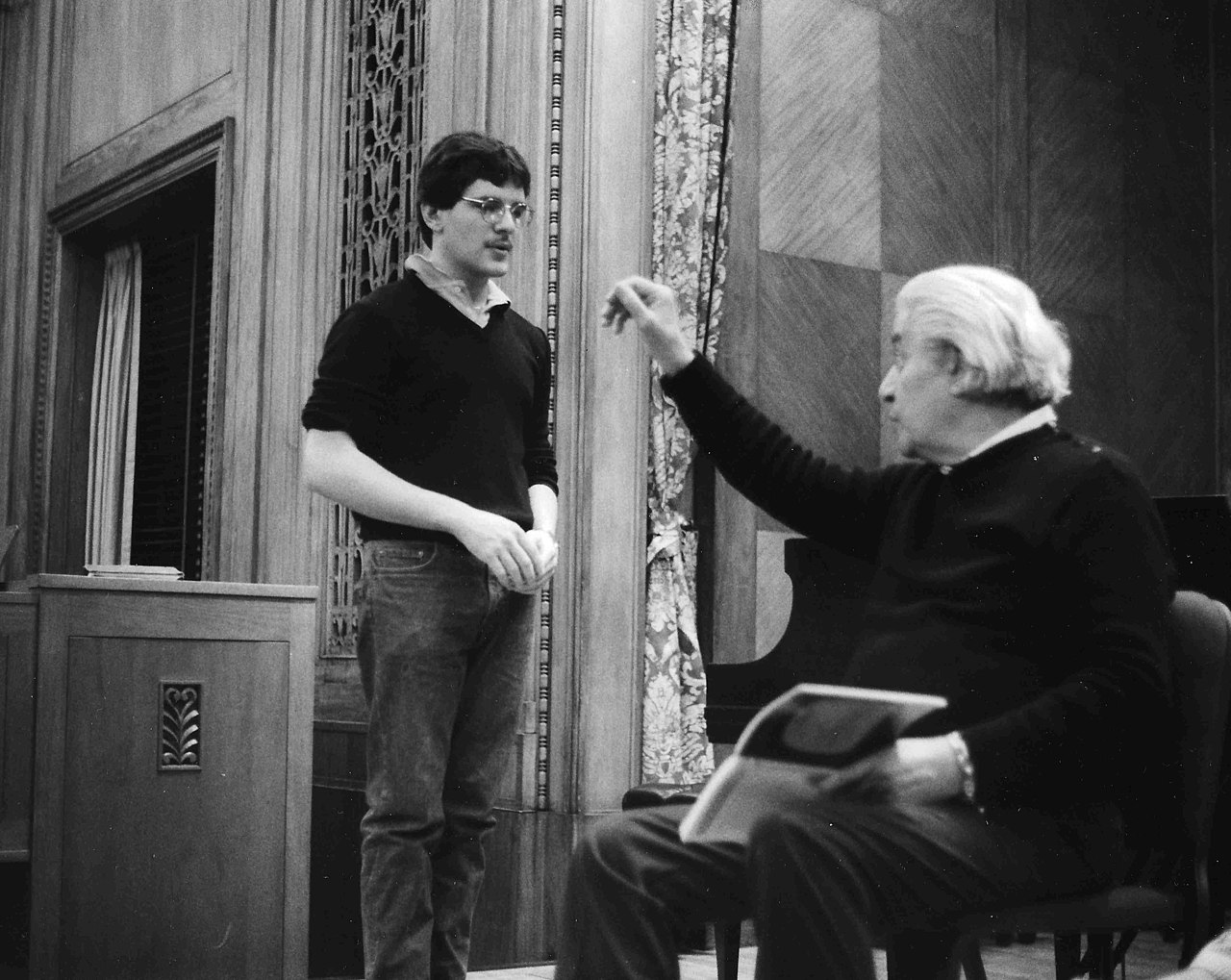


Career and development
Celibidache’s early career included work with major European ensembles in the aftermath of World War II; he conducted the Berlin Philharmonic in the immediate postwar period and later maintained a long association with the Munich Philharmonic. Over decades he attracted attention for rebuilding orchestral standards through extensive rehearsal and by insisting on a high degree of mutual listening among players. For concise overviews of his appointments and ensembles, see career summaries.
Musical approach and characteristics
He is often described as a musical phenomenologist: concerned with how sound unfolds in time, how acoustics shape perception, and how tempo, silence and ensemble balance create meaning in performance. Celibidache commonly rehearsed intensively, favored expansive tempi for certain repertoire (especially Bruckner), and aimed to shape an immediate, living sonic event. These priorities made his concerts distinctive and sometimes controversial.
Repertoire, recordings and legacy
His repertory ranged from Classical through late Romantic composers; his interpretations of Bruckner, Beethoven and other large symphonic works drew particular attention. Celibidache was famously skeptical of studio recording as a medium that cannot reproduce the totality of a live acoustic experience, so he avoided commercial studio sessions for much of his career. Many of his performances survive as live recordings and broadcasts that have been issued posthumously.
Notable facts and influence
- He emphasized rehearsal depth and ensemble listening over quick performances.
- He connected musical interpretation with ideas from philosophy and phenomenology.
- His views stimulated debate about tempo, interpretation and the value of recordings.
- Further reading and archival material are available through institutional pages and discography guides: resources and archives.
Though opinions about his methods vary, Celibidache remains a significant figure in 20th‑century conducting. His insistence on the primacy of the live musical event continues to influence conductors, performers and scholars who examine the relationship between sound, space and human perception.
Questions and answers
Q: Who was Sergiu Celibidache?
A: Sergiu Celibidache was a Romanian conductor who lived in Germany for his adult life.
Q: What was Sergiu Celibidache known for?
A: Sergiu Celibidache was known for being one of the great conductors of his time.
Q: When was Sergiu Celibidache born and when did he die?
A: Sergiu Celibidache was born on July 11, 1912 (June 28, 1912 Old Style) and he died on August 14, 1996.
Q: Where did Sergiu Celibidache live?
A: Sergiu Celibidache lived in Germany for his entire adult life.
Q: Did Sergiu Celibidache have any other professions besides conducting?
A: The text does not provide any information about whether Sergiu Celibidache had other professions besides conducting.
Q: How is Sergiu Celibidache's name pronounced?
A: Sergiu Celibidache's name is pronounced as "serd͡ʒju t͡ʃelibiˈdake."
Q: What nationality was Sergiu Celibidache?
A: Sergiu Celibidache was Romanian.
Author
AlegsaOnline.com Sergiu Celibidache: Romanian conductor and musical philosopher Leandro Alegsa
URL: https://en.alegsaonline.com/art/130707