
Sergey Nechayev — Russian nihilist revolutionary
Sergey Nechayev (1847–1882) was a Russian radical associated with nihilist and conspiratorial revolutionary currents, known for his uncompromising creed in the Catechism of a Revolutionary and a notorious criminal affair.
Sergey Nechayev was a Russian radical active in the late 1860s and 1870s who became a symbol of revolutionary fanaticism. Born in 1847 and dying in 1882, he is best remembered for advocating a form of conspiratorial, ends-justify-the-means activism and for authoring the influential and controversial document commonly called the "Catechism of a Revolutionary." His life and methods provoked intense debate among contemporaries and later writers.
Image gallery
3 Images

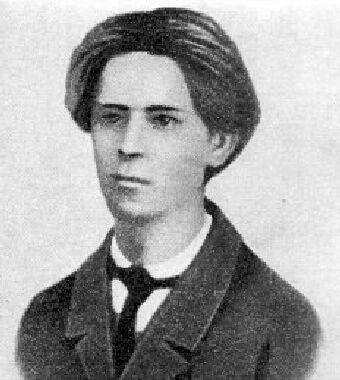
Ideas and writings
Nechayev promoted a strict, disciplined conception of revolutionary duty in which personal interests and moral scruples were subordinated to the cause. The "Catechism" lays out a code demanding total loyalty, secrecy and readiness to use any means necessary to secure the movement's aims. Though the document circulated anonymously, it came to be identified with Nechayev and shaped how opponents and sympathizers understood radical conspiratorial practice.
Activities and controversy
Nechayev worked with small underground circles and cultivated a reputation for ruthless organization. His behavior produced a famous scandal when he was implicated in the killing of a former associate; the resulting affair split parts of the revolutionary milieu and damaged alliances, including a bitter rupture with older anarchist figures who had briefly associated with him. That episode, often referred to in accounts as the "Nechayev affair," reinforced his notoriety.
He spent years pursued by authorities, and his later life was marked by arrest, trial and imprisonment or internal exile under the Tsarist regime; sources differ on some details of his final years and the exact date of his death in 1882. Whatever the particulars, his end came in custody after a life of clandestine activity.
Influence and legacy
Nechayev's uncompromising tactics prompted both condemnation and imitation. He had a profound cultural impact beyond clandestine circles: his methods and personality informed contemporary critiques of radicalism and are widely seen as an inspiration for fictional characters in 19th-century Russian literature, most famously in the work of Fyodor Dostoevsky, who explored similar themes of fanaticism and moral corruption.
Key characteristics
- Conspiratorial organization: emphasis on secret cells and strict discipline.
- Instrumental ethics: readiness to employ deception and violence for revolutionary ends.
- Controversial legacy: subject of legal scandal and literary depiction.
For concise biographical summaries and primary-text discussion, see further reading on Nechayev and his circle.
Questions and answers
Q: Who is Sergey Nechayev?
A: Sergey Nechayev was a Russian revolutionary terrorist and a leader in the Nihilist movement.
Q: When was Sergey Nechayev born?
A: Sergey Nechayev was born on October 2, 1847.
Q: When did Sergey Nechayev pass away?
A: There is some uncertainty regarding Sergey Nechayev's date of death - he either died on November 21 or December 3, 1882.
Q: What was Sergey Nechayev known for?
A: Sergey Nechayev was known for his single-minded pursuit of revolution and his willingness to resort to any means necessary, including murder.
Q: What was the Nihilist movement?
A: The Nihilist movement was a Russian political and social movement that emerged in the 1860s and sought to overthrow the Tsarist government and bring about radical social and political change.
Q: Was Sergey Nechayev a significant figure in the Nihilist movement?
A: Yes, Sergey Nechayev was a significant figure in the Nihilist movement and was considered one of its leaders.
Q: What was Sergey Nechayev's approach to revolution?
A: Sergey Nechayev was committed to the goal of revolution and believed that any means necessary, including violence and murder, were justified in achieving it.
Author
AlegsaOnline.com Sergey Nechayev — Russian nihilist revolutionary Leandro Alegsa
URL: https://en.alegsaonline.com/art/130694