
Senigallia: coastal town and seaside resort in the Marche, Italy
Senigallia is a historic seaport on the Adriatic coast of the Marche region, known for its long sandy 'Velvet Beach', Renaissance fortress, Rotonda a Mare pavilion and lively cultural festivals.
Overview
Senigallia is a comune and active port in Italy, situated on the eastern shore along the Adriatic Sea. It lies within the province of Ancona in the Marche region, and is one of the larger towns of the province, second in population after the provincial capital. The town combines a working harbor, a long seaside boulevard and an active local economy centered on tourism, services and small industry.
Image gallery
8 Images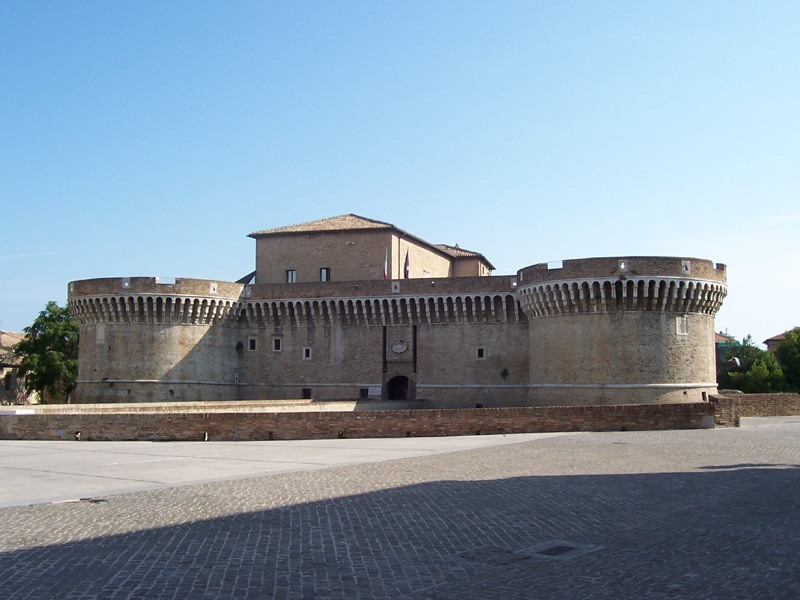


Geography and coastal features
Senigallia faces wide sandy beaches and shallow offshore waters that have made it a popular bathing destination. The main shoreline is famed locally as the Spiaggia di Velluto — literally "Velvet Beach" — a nickname that reflects the fine texture of its sand and its reputation as a pleasant resort stretch. The town's seafront includes promenades and a distinctive circular seaside pavilion known as the Rotonda a Mare, which serves as a visual landmark and venue for public events.
History and development
The site has ancient origins, once identified with a Roman settlement that developed as a coastal trading point. Over the centuries Senigallia passed through medieval and Renaissance phases of growth, with fortifications and public buildings added by regional rulers. Remnants of this past include a well-known Renaissance fortress and other historic structures in the town centre, reflecting its strategic and commercial role along the Adriatic littoral.
Culture, events and gastronomy
Senigallia has a lively cultural calendar that complements its beach season. Among contemporary attractions are music festivals devoted to vintage rock'n'roll and swing, as well as art and food events that draw regional and international visitors. Local cuisine emphasizes seafood and Marche specialties — olive oil, cured meats and wines from nearby hills — enjoyed in restaurants along the waterfront and in the historic centre.
Main sights and practical information
- Rocca Roveresca — a prominent Renaissance fortress and museum complex.
- Cathedral and historic centre — churches and streets dating from medieval and early modern periods.
- Rotonda a Mare — the circular seafront pavilion and events venue.
- Corso II Giugno and seaside promenade — shopping, cafes and access to the Spiaggia di Velluto.
- Harbour and marina — active port facilities and pleasure-boat moorings.
Senigallia is served by regional roads and rail connections that link it to Ancona and other cities on the Adriatic corridor, making it accessible for day trips or longer stays. It is marketed locally as a seaside resort that combines beach amenities with a rich urban fabric. The town's popular beach name appears in many guides as the "Velvet" shore: Velvet.
For further municipal details, travel planning and cultural listings consult official or regional resources and local tourism pages: municipal information, provincial portals and regional visitor sites often carry updated event calendars and practical advice for visitors.
Questions and answers
Q: What is Senigallia?
A: Senigallia is a comune and seaport in Italy.
Q: Where is Senigallia located?
A: Senigallia is located on the Adriatic coastline, in the province of Ancona, in the Marche region.
Q: Is Senigallia the capital of the province?
A: No, Senigallia is not the capital of the province. It is the second city of the province, after the capital, by the number of people living there.
Q: What is Senigallia known for?
A: Senigallia is known as an important seaside resort in the Marche region, and is visited every year by many people. Its beach is known as Spiaggia di Velluto (Velvet Beach).
Q: Which region is Senigallia in?
A: Senigallia is in the Marche region.
Q: What is the name of Senigallia's beach?
A: Senigallia's beach is known as Spiaggia di Velluto (Velvet Beach).
Q: How many people live in Senigallia?
A: It is not specified in the text how many people live in Senigallia, but it is mentioned that it is the second city of the province, after the capital, by the number of people living there.
Author
AlegsaOnline.com Senigallia: coastal town and seaside resort in the Marche, Italy Leandro Alegsa
URL: https://en.alegsaonline.com/art/130671