
Schöneberg — locality of Berlin in Tempelhof‑Schöneberg
Schöneberg is a central borough locality in Berlin, known for its markets, LGBTQ+ history, historic Rathaus, cultural scene and its 2001 merger into the Tempelhof‑Schöneberg borough.
Overview
Schöneberg is a well‑known locality in the German capital, often described as a lively, historically layered quarter of Berlin. It occupies a central-west position within the city and blends residential streets, marketplaces and cultural venues. Until a municipal reorganization in 2001 Schöneberg functioned as an independent borough that included the neighbouring locality of Friedenau.
Image gallery
10 Images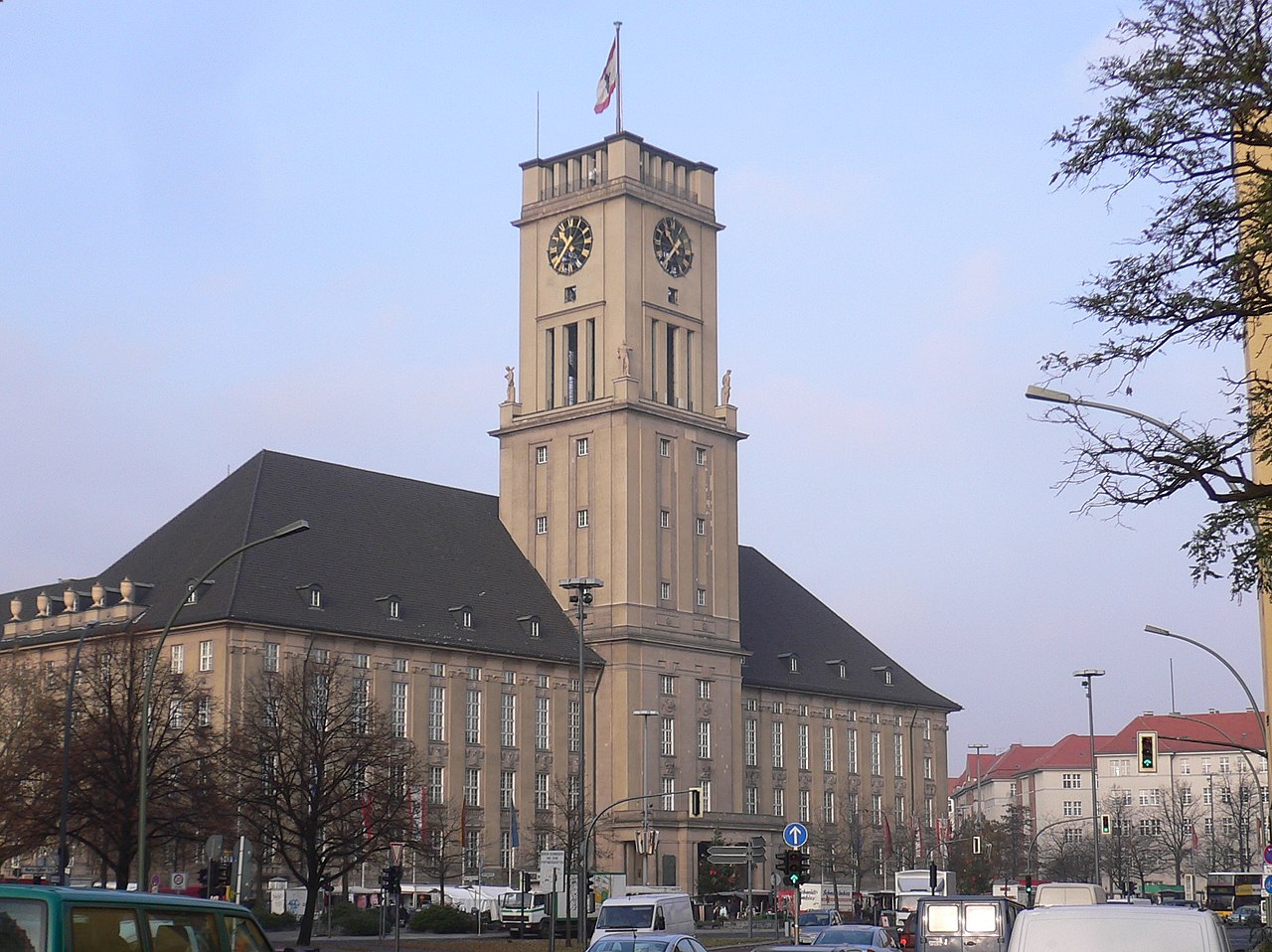


Geography and character
The neighbourhood contains a mix of 19th‑ and 20th‑century apartment blocks, green squares and shopping streets. Public markets, cafés and small businesses give the area a local, urban feel. Parts of Schöneberg have long been known for a lively nightlife and for being a focal point of Berlin’s LGBTQ+ community, notably around Nollendorfplatz.
History and administration
Schöneberg’s civic identity was shaped by rapid urban growth in the late 19th century and its role in 20th‑century Berlin. In 2001 an administrative reform merged the former borough of Schöneberg with Tempelhof; the combined entity is now the borough of Tempelhof‑Schöneberg. The area also witnessed important Cold War events: the Rathaus Schöneberg became a symbolic stage for visiting leaders and public addresses.
Notable sites and culture
Visitors and residents enjoy several attractions: lively markets such as Winterfeldtplatz, cultural venues, period architecture and department stores including the Kaufhaus area near Tauentzienstraße. Literary and musical figures have long been associated with the quarter. The district’s Rathaus is remembered for high‑profile speeches that underscored Berlin’s postwar identity.
Transport and local life
Schöneberg is well served by Berlin’s public transport network and offers easy connections to other central districts. Local life centers on markets, neighbourhood cafés and cultural events; community festivals and weekly markets remain important meeting places for residents and visitors alike.
Distinctive facts
- Before 2001 Schöneberg was an independent borough that included Friedenau.
- Its Rathaus played a prominent ceremonial role in 20th‑century Berlin politics.
- The locality now belongs to the larger Tempelhof‑Schöneberg borough.
Schöneberg continues to be valued for its combination of everyday neighbourhood life and layers of historical and cultural significance, making it both a residential area and a popular destination within Berlin.
Questions and answers
Q: What is Schöneberg?
A: Schöneberg is a locality of Berlin.
Q: Was Schöneberg a separate borough before 2001?
A: Yes, Schöneberg was a separate borough before 2001.
Q: What other locality was included in the Schöneberg borough?
A: The locality of Friedenau was included in the Schöneberg borough.
Q: What happened in Berlin's administrative reform in 2001?
A: In Berlin's 2001 administrative reform, Schöneberg and the former borough of Tempelhof were combined to form the new borough of Tempelhof-Schöneberg.
Q: Is Schöneberg now part of a new borough?
A: Yes, Schöneberg is now part of the new borough of Tempelhof-Schöneberg.
Q: Did Schöneberg lose any territory in the administrative reform?
A: Yes, Schöneberg lost the territory of the former borough of Tempelhof in the administrative reform.
Q: Is there any other information about Schöneberg provided in the text?
A: No, there is no other information about Schöneberg provided in the text.
Author
AlegsaOnline.com Schöneberg — locality of Berlin in Tempelhof‑Schöneberg Leandro Alegsa
URL: https://en.alegsaonline.com/art/130564