
Sardar Vallabhbhai Patel: Leader, Statesman and Architect of Indian Unity
Biography of Sardar Vallabhbhai Patel (1875–1950), Indian independence leader and first Home Minister, known for integrating princely states, establishing administrative institutions, and a pragmatic political style.
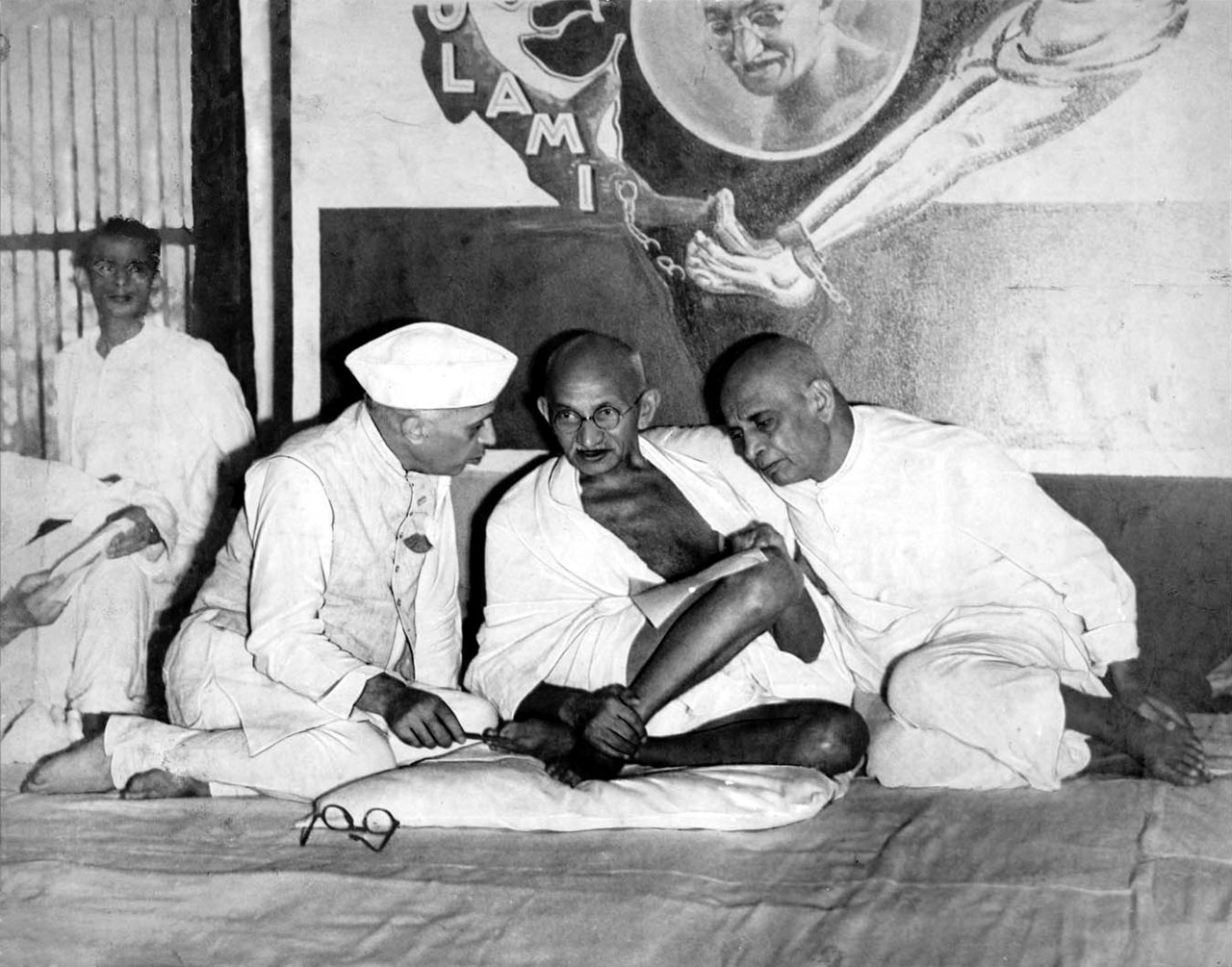
Sardar Vallabhbhai Patel (31 October 1875 – 15 December 1950) was an Indian lawyer turned political leader who played a central role in the country's struggle for independence and its early governance. Trained as a barrister, Patel emerged as a pragmatic organizer and negotiator within the Indian National Congress. He worked closely with Mahatma Gandhi and other leaders to mobilize mass movements and later to create a functioning, unified state from the mosaic of British provinces and princely realms.
Image gallery
10 Images





Early life and political rise
Born in present-day Gujarat, Patel practiced law before entering public life. His legal background informed a direct, disciplined approach to organization and public administration; for a concise account of his professional background see legal career. Patel first gained broad recognition for leading peasant and anti-colonial campaigns in Gujarat, where he combined nonviolent protest with firm local leadership. Over time he became a senior figure in the Congress and a trusted lieutenant of Mahatma Gandhi, though his style was more administrative and less philosophical than Gandhi’s.
Role at independence and government service
At the moment of independence in 1947, India faced the urgent problem of integrating hundreds of semi-autonomous princely states into a single nation. As India’s first Home Minister and a deputy to the government’s political leadership, Patel led the effort to persuade, cajole and occasionally coerce rulers to join the Indian Union. The instruments and arrangements he negotiated—combined with selective use of force in a few cases—were instrumental in bringing the country together.
Major actions and institutions
- Political integration: Patel oversaw accession agreements and administrative mergers that transformed more than 500 princely territories into Indian provinces and states.
- Administrative consolidation: He championed the retention and Indianization of the civil service, contributing to the development of a unified administrative cadre that became the Indian Administrative Service (IAS).
- Law and order: As Home Minister he addressed internal security and the administrative tasks of a newly independent state, including rehabilitation after partition.
Relationship with other leaders and major events
Patel and Jawaharlal Nehru were key collaborators in government, though they represented different temperaments: Patel was seen as pragmatic and disciplinarian, Nehru as idealistic and internationalist. At a crucial political moment Patel stepped aside from contesting the Congress presidency—an act often linked to the selection of the country’s first head of government—see discussion of the choice for first Prime Minister. This episode is part of a complex political history that shaped the early years of the republic.
Legacy and notable facts
Patel’s reputation as the "Iron Man of India" reflects the perception of his will to preserve national unity and to build effective institutions. He died in 1950, leaving a legacy of pragmatic statecraft: a largely unified Indian territory, an administrative framework capable of governing a diverse society, and a model of disciplinarian leadership. His life and decisions remain studied for their blend of negotiation, legal technique and occasional resort to force—measures that continue to prompt both admiration and debate among historians.
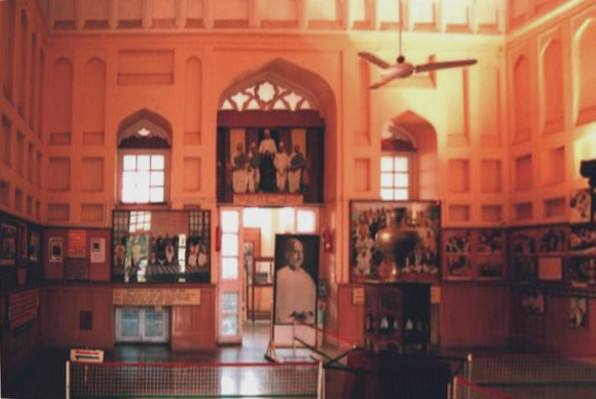
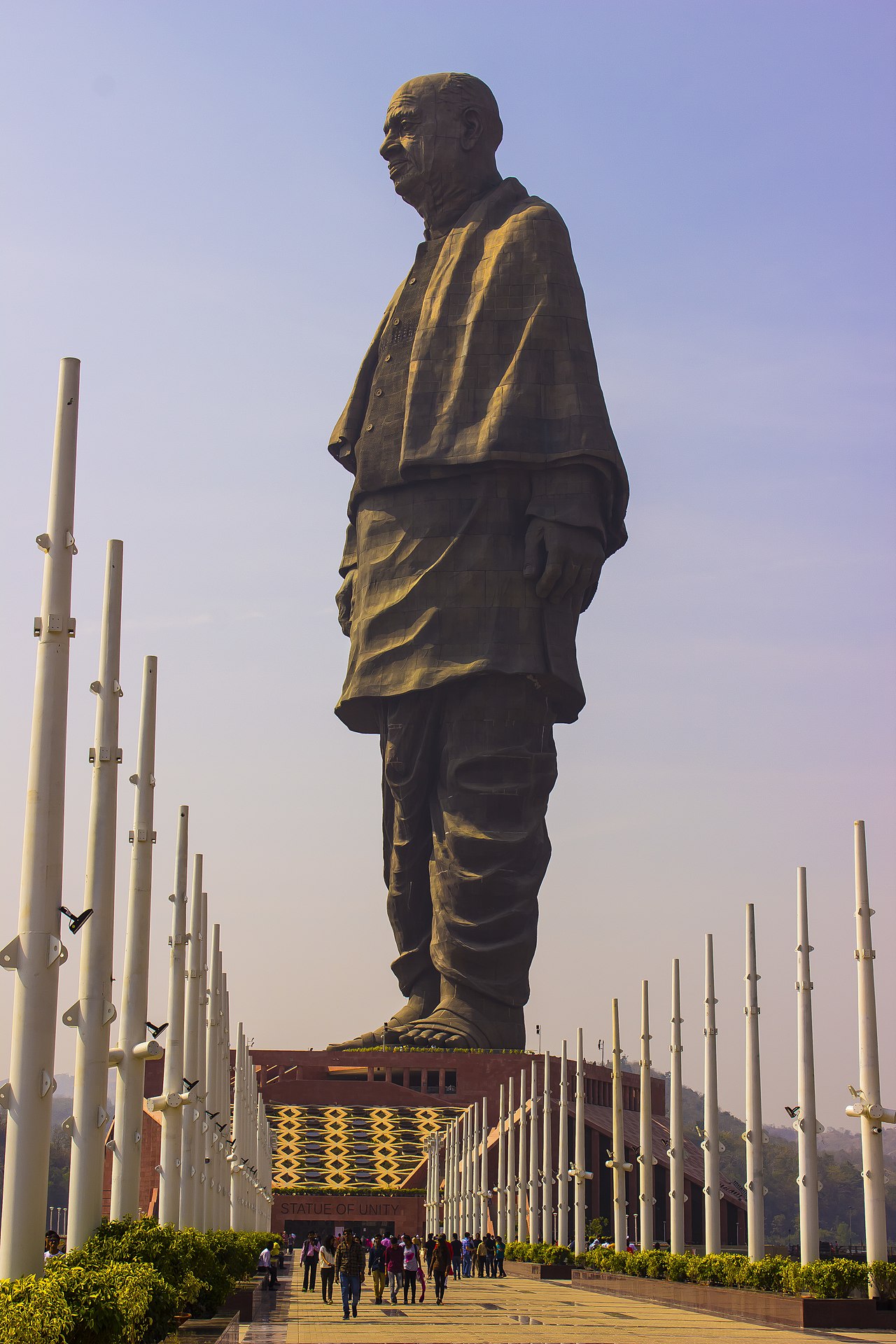
Today Patel is commemorated in India in multiple ways, including statues, memorials and public discourse about national unity and governance. His career illustrates how legal training, grassroots organizing and statecraft combined to influence the emergence of modern India.
Questions and answers
Q: Who was Sardar Vallabhbhai Patel?
A: Sardar Vallabhbhai Patel was a lawyer and influential political leader in the Indian independence movement.
Q: What role did he play after India gained independence?
A: After India gained independence, he played an important role in the integration of over 500 princely states into the Indian Union.
Q: How was he influenced by Mahatma Gandhi?
A: He was deeply influenced by Gandhi’s ideology and principles, having worked very closely with the leader.
Q: Why did he step down from candidacy for Congress President?
A: On the request of Mahatma Gandhi, Sardar Patel stepped down from the candidacy of Congress President, which ultimately turned out to be the election to choose the first Prime Minister of independent India.
Q: What title did he earn for his efforts towards consolidation of India?
A: He earned the title "Iron Man of India" for his uncompromising efforts towards consolidation of the country.
Q: When was Sardar Vallabhbhai Patel born?
A: He was born on 31 October 1875.
Q: When did he pass away?
A: He passed away on 15 December 1950.
Author
AlegsaOnline.com Sardar Vallabhbhai Patel: Leader, Statesman and Architect of Indian Unity Leandro Alegsa
URL: https://en.alegsaonline.com/art/130528