
Sarah Siddons — Leading 18th-Century Tragic Actress
Sarah Siddons (1755–1831) was a Welsh-born actress famed for her tragic portrayals, especially Lady Macbeth. She rose to prominence in London theatre and shaped standards of dramatic acting in her era.
Sarah Siddons (5 July 1755 – 8 June 1831) was a Welsh-born actress who became the most celebrated tragedienne of the late eighteenth and early nineteenth centuries. Born into the theatrical Kemble family, she developed a public reputation for dignified, powerful performances that made her the age's best-known interpreter of tragic heroines. Her name became virtually synonymous with the role of Lady Macbeth, which critics and audiences repeatedly praised for its intensity and moral depth.
Image gallery
10 Images



Career and public image
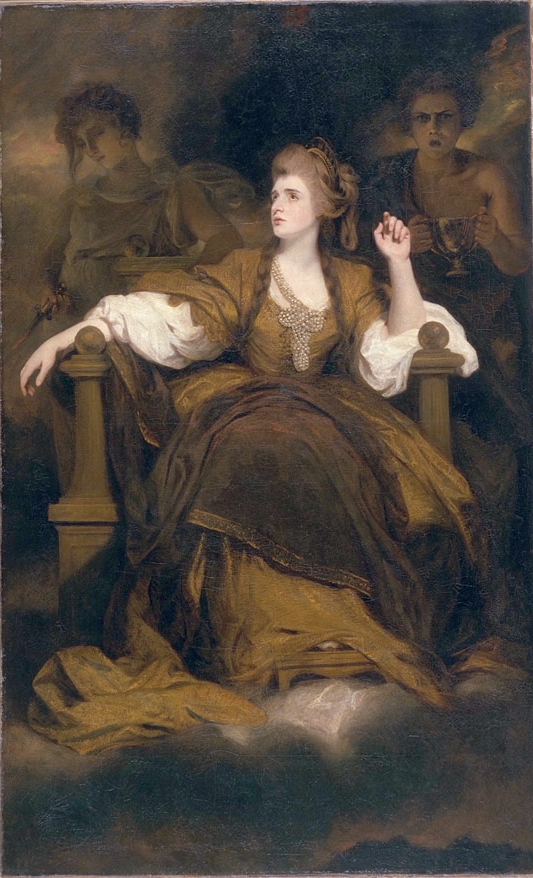
Siddons began her stage life in provincial company work and rose to national prominence through sustained success on the London stage, where she regularly appeared at major houses such as Drury Lane and Covent Garden. Her performances attracted the attention of leading artists and writers of the day; portraits and critical essays contributed to a cultivated image of Siddons as both a serious artist and a public personality. Sir Joshua Reynolds and other prominent painters depicted her in dramatic costume and in allegorical works that reinforced her theatrical stature.
Acting style and notable roles
Her approach combined measured declamation, controlled gestures, and an expressive face that conveyed psychological nuance at a time when acting tended toward grand gesture. While Lady Macbeth remained her signature role, Siddons also took on other Shakespearean parts and leading tragic heroines, offering sympathetic and often introspective readings rather than mere spectacle. Audiences valued her for a consistency of high standards and a seriousness of purpose that helped elevate the status of the profession.
Legacy and influence
Siddons left a lasting mark on theatrical taste and on the Kemble theatrical dynasty; her brothers and sisters were themselves prominent on the stage, contributing to a family reputation that lasted for decades. Critics and later historians credit her with helping to professionalize acting and with shaping Romantic ideas about the tragic heroine. Her life and work were chronicled in memoirs, reviews, and numerous portraits, ensuring that her influence extended beyond her lifetime.
Notable facts and further reading
- She was a member of the Kemble family, which included actors John Philip Kemble and Charles Kemble and writers such as Ann Hatton and Elizabeth Whitlock.
- Her performances were frequently the subject of contemporary portraits and essays that debated the nature of tragic acting.
- For biographical overviews and collections of contemporary criticism, see further reading and archival material at theatrical repositories: more resources.
Siddons remains a central figure in studies of Georgian and Regency theatre: a performer whose combination of stagecraft, public dignity, and interpretive depth exemplified evolving standards of dramatic art in Britain.
Questions and answers
Q: Who was Sarah Siddons?
A: Sarah Siddons was a Welsh actress.
Q: What kind of plays did Sarah Siddons act in?
A: Sarah Siddons was best-known for acting in tragedies of the 18th century.
Q: Was Sarah Siddons related to other famous actors?
A: Yes, Sarah Siddons was the older sister of John Philip Kemble, Charles Kemble, Stephen Kemble, Ann Hatton, and Elizabeth Whitlock.
Q: What Shakespearean character did Sarah Siddons become famous for playing?
A: Sarah Siddons became famous for playing the character of Lady Macbeth.
Q: Did Sarah Siddons like playing the character of Lady Macbeth?
A: Yes, Sarah Siddons grew to liking the character of Lady Macbeth very much.
Q: When was Sarah Siddons born and when did she die?
A: Sarah Siddons was born on 5 July 1755 and died on 8 June 1831.
Q: What was Sarah Siddons famous for?
A: Sarah Siddons was famous for her skills in acting tragedies and for playing the character of Lady Macbeth.
Author
AlegsaOnline.com Sarah Siddons — Leading 18th-Century Tragic Actress Leandro Alegsa
URL: https://en.alegsaonline.com/art/130511