
Sarah Bernhardt: life and legacy of a 19th-century theatrical star
French stage actress Sarah Bernhardt (1844–1923) became an international celebrity, famed for tragic and comic roles, international tours, bold self-promotion and lasting influence on modern theatre.
Sarah Bernhardt (born Henriette-Rosine Bernard; 1844–1923) was a French stage actress whose name came to symbolize international theatrical stardom. During her long career she earned extraordinary public recognition and has often been described as "the most famous actress in the history of the world". Critics and audiences admired her intensity and dramatic presence, and she was widely known by the sobriquet "The Divine Sarah".
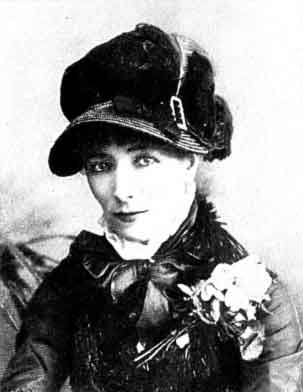
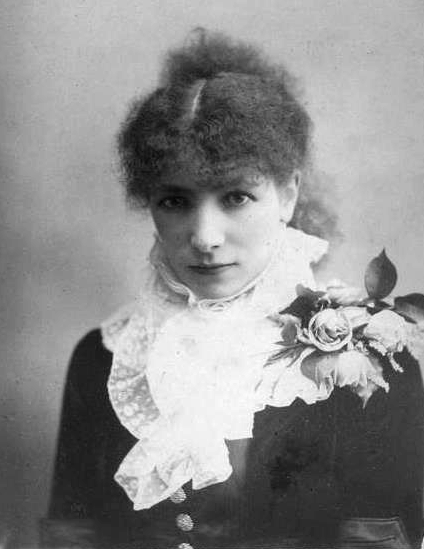
Bernhardt trained in Paris and rose to prominence on the city's leading stages. Early appointments and acclaimed performances established a reputation as a serious interpreter of both classical tragedies and contemporary dramas; she cultivated a theatrical image that combined rigorous technique with flamboyant theatricality. Over time she became adept at shaping public perception of her work, using the press and portraits to maintain visibility and mystique. Her public persona and career management contributed to her reputation as one of the era's defining performers.
Image gallery
10 Images



Career, tours and international reach
From the 1870s onward Bernhardt toured widely. She played to audiences across continental Europe and made repeated visits to the United States, where she introduced many Americanat audiences to French and modern drama. Her tours helped make theatrical performances into mass entertainment and established a model for future international companies. She also led her own troupes and managed productions, combining artistic control with commercial enterprise.
Signature roles and style
Bernhardt was celebrated for both classical and modern parts. Her repertoire emphasized strong, often tragic heroines as well as daring choices that challenged gender expectations on stage. Typical roles associated with her include:
- Classic tragedies by Racine and other dramatists (notably Phèdre in the French repertory)
- Popular 19th-century plays and adaptations, including works by Alexandre Dumas fils and Victorien Sardou
- Iconic male parts she undertook for dramatic effect, such as Hamlet, which highlighted her versatility
She was also among the first celebrated stage actors to appear in early motion pictures and photographic portraits, extending her reach beyond the theatre and into new visual media.
Legacy and cultural influence
SARah Bernhardt's influence extends beyond individual performances. She helped professionalize celebrity culture in the arts, inspired painters, sculptors and photographers, and left a model for actor-managers who combined interpretive skill with entrepreneurial initiative. Her life—marked by ambitious tours, bold role choices and a cultivated personal mythology—remains a subject of theatre history and popular fascination. For further reading and archival materials see sources and collections linked by theatrical scholars and institutions.
Notable facts and distinctions:
- International touring artist who made the stage a transnational spectacle
- Crossed conventional gender boundaries by performing male roles
- Early adopter of photographic and film media to sustain public profile
Her career illustrates the transformation of theatre in the late 19th and early 20th centuries into a modern, celebrity-driven art form that reached global audiences and influenced later generations of performers and producers.
For more detailed archival material and biographies consult specialized collections and academic studies on 19th-century theatre and performance history.
Questions and answers
Q: Who was Sarah Bernhardt?
A: Sarah Bernhardt was a French stage actress.
Q: When was Sarah Bernhardt born?
A: Sarah Bernhardt was born on October 22 or 23, 1844.
Q: What was Sarah Bernhardt's nickname?
A: Sarah Bernhardt's nickname was "The Divine Sarah."
Q: Why was Sarah Bernhardt famous?
A: Sarah Bernhardt was famous for her work as a stage actress in both Europe and the United States.
Q: In what decade did Sarah Bernhardt achieve fame on the stages of Europe?
A: Sarah Bernhardt achieved fame on the stages of Europe in the 1870s.
Q: What has Sarah Bernhardt been called in relation to her acting career?
A: Sarah Bernhardt has often been called "the most famous actress in the history of the world."
Q: When did Sarah Bernhardt pass away?
A: Sarah Bernhardt passed away on March 26, 1923.
Author
AlegsaOnline.com Sarah Bernhardt: life and legacy of a 19th-century theatrical star Leandro Alegsa
URL: https://en.alegsaonline.com/art/130492