
Louis IX of France (Saint Louis) — King, Crusader, and Canonised Saint
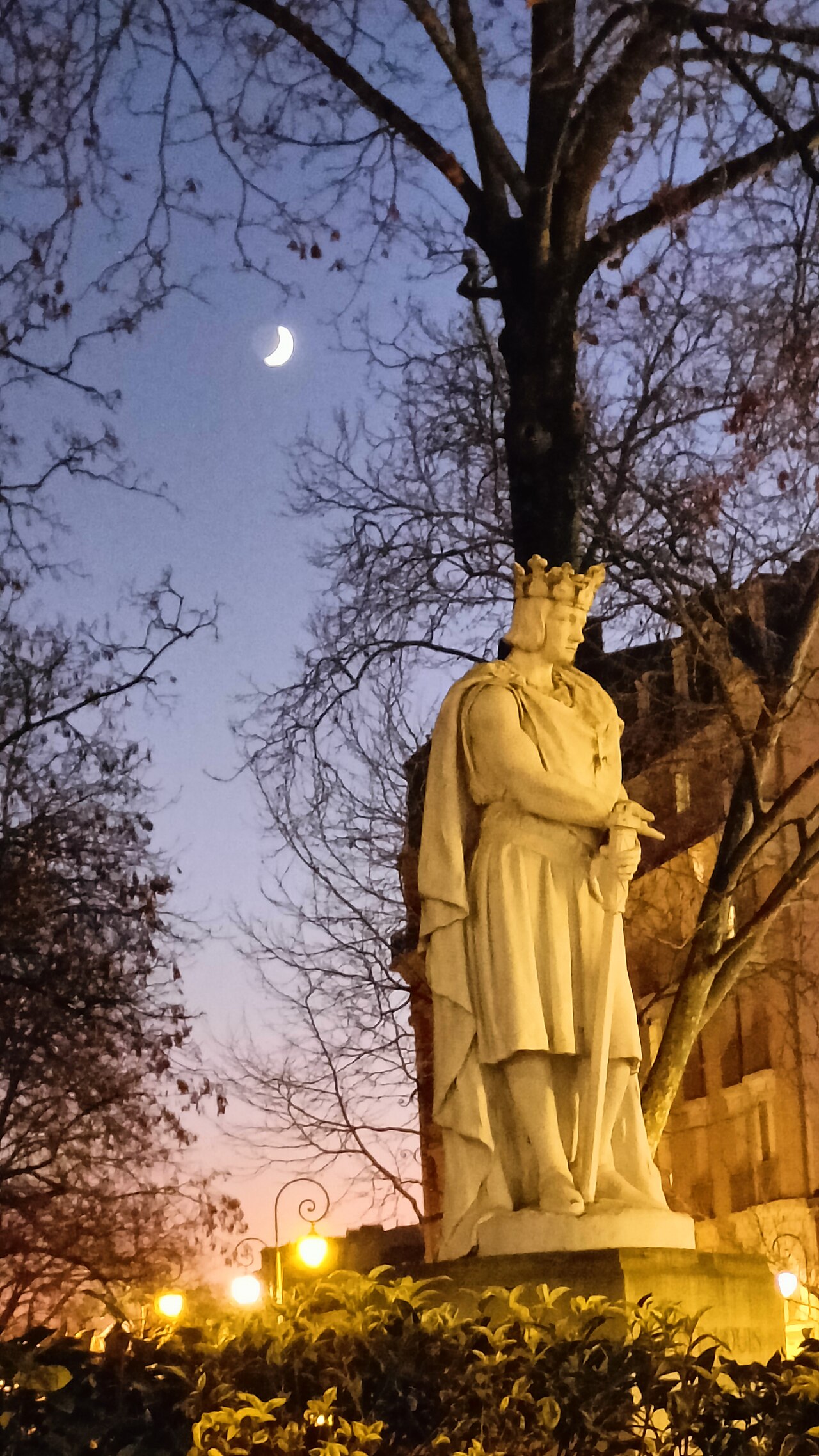
Louis IX (1214–1270), called Saint Louis, ruled France from 1226. He is remembered for deep personal piety, judicial and administrative reforms, leadership on two Crusades, cultural patronage and canonisation in 1297.
Louis IX (25 April 1214 – 25 August 1270), commonly called Saint Louis, was the King of France from 1226 until his death. He became monarch as a child and for several years his mother, Blanche of Castile, served as regent and shaped the early policies of his reign. Louis married Margaret of Provence and established a court noted for both religious devotion and administrative attention to royal authority.
Personal character and faith. Louis was famous in his lifetime for austere personal piety, an insistence on moral conduct, and a habit of judging disputes in person. His reputation for holiness led to widespread veneration after his death and eventual canonisation by Pope Boniface VIII in 1297. Contemporary and later observers praised his charity and concern for justice, though some of his religious policies have been criticized by modern historians.
Image gallery
10 Images



Reign and reforms
Politically, Louis worked to strengthen royal administration and the law. He developed a system of royal judges and provincial officials to extend centralized justice, and he is traditionally associated with the growth of the Parlement of Paris as a regular centre for royal appeals. His government promoted consistent legal procedures, oversight of local officials, and measures to stabilize currency and trade.
Military ventures and the Crusades. Louis is also remembered as a Crusader. He led an expedition to the eastern Mediterranean in the mid-13th century that met with mixed results, and later launched a final campaign in 1270 to North Africa, during which he died of illness. These campaigns were motivated by religious zeal and the politics of Christendom; they had substantial human and financial costs and shaped his historical reputation.
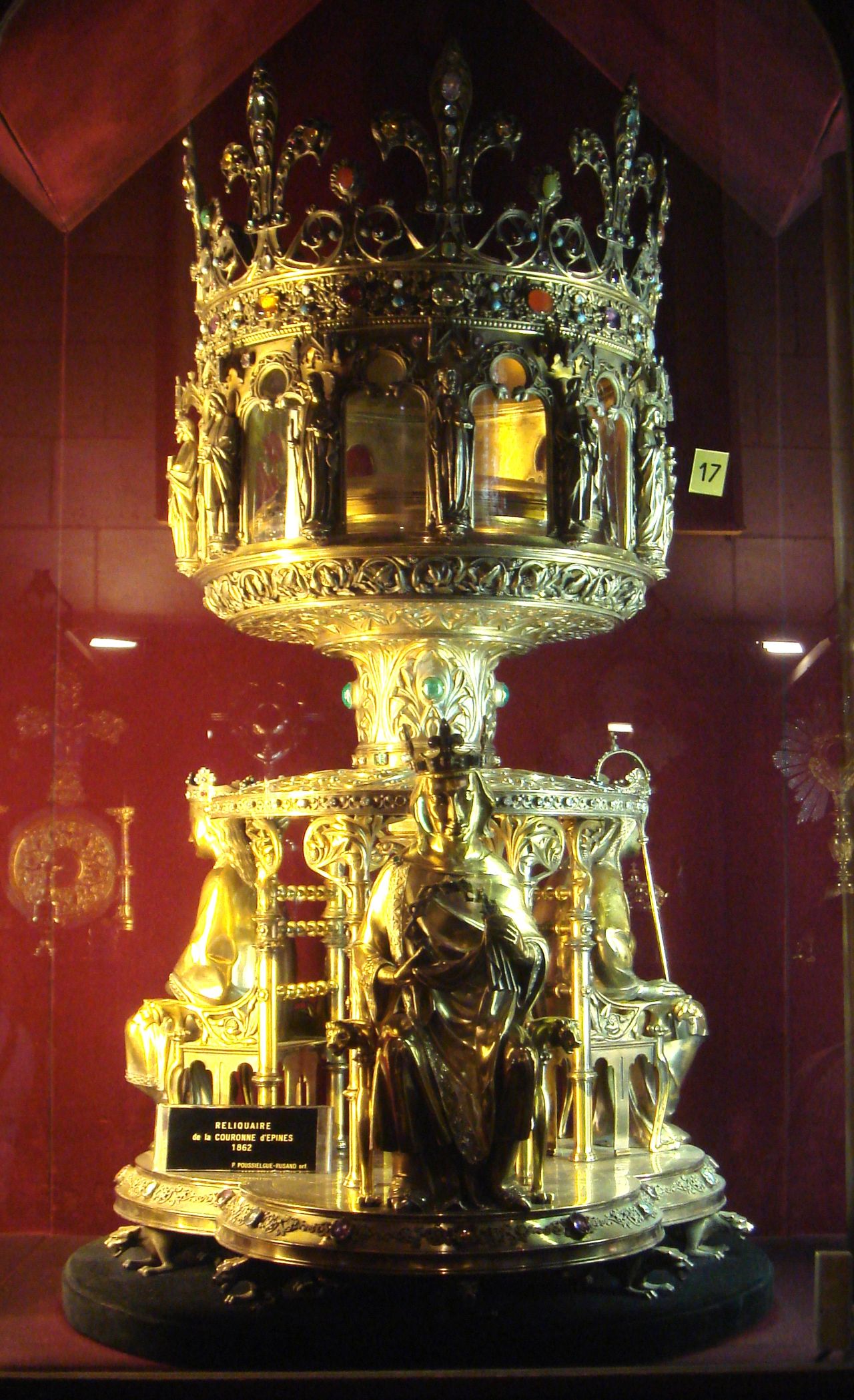
Patronage, architecture and legacy. A patron of art and architecture, Louis ordered the building of distinguished religious works to house relics and to reflect royal piety. The reign saw notable developments in Gothic architecture and court culture. His rule left a durable legacy: a stronger sense of centralized monarchy, clearer legal procedures, and a model of a pious Christian ruler. At the same time, some of his policies toward religious minorities and juristic practices are subjects of critical reassessment.
- Born 1214; reigned 1226–1270; succeeded by his son, Philip III.
- Canonised in 1297 by Pope Boniface VIII and widely venerated as Saint Louis.
- Associated with the rise of the Parlement in Paris as a central court of appeals.
- Led two major Crusading expeditions that affected France’s resources and prestige.
- Remembered for patronage of religious architecture and for reforms that strengthened royal justice.
Overall, Louis IX stands out in medieval history as a monarch whose religious convictions and administrative efforts combined to shape the French monarchy’s development, while his military ventures and some domestic policies remain debated aspects of his long and influential reign.
Questions and answers
Q: Who was Louis IX of France?
A: Louis IX of France, also known as Saint Louis, was the King of France from 1226 until his death in 1270.
Q: What was the Parlement of Paris?
A: The Parlement of Paris was a court system that Louis IX established during his reign as King of France.
Q: When was Louis IX born?
A: Louis IX was born on April 25th, 1214.
Q: When did Louis IX die?
A: Louis IX died on August 25th, 1270.
Q: Why was Louis IX declared a saint?
A: Louis IX was declared a saint by Pope Boniface VIII in 1297 due to his piety and work for the church.
Q: What was Louis IX known for during his reign as King of France?
A: Louis IX was known for establishing the Parlement of Paris, his devotion to Christianity, and his efforts to improve the well-being of his subjects, particularly the poor.
Q: Who declared Louis IX a saint?
A: Pope Boniface VIII declared Louis IX a saint in 1297.
Author
AlegsaOnline.com Louis IX of France (Saint Louis) — King, Crusader, and Canonised Saint Leandro Alegsa
URL: https://en.alegsaonline.com/art/130315