
Rupert Everett: actor, writer and public figure
Overview of Rupert Everett’s life and career — from early theatre breakthrough to film roles, writing and public statements on art and personal life.
Rupert James Hector Everett (born 29 May 1959) is an English performer and author known for stage work, film roles and occasional musical projects. He has built a career that spans theatre and screen, combining classical training with a flair for comic and dramatic parts. Everett is often described in the press as an actor, and has also pursued work as a singer and writer. Critics and audiences have followed his varied choices, from stage dramas to mainstream Hollywood comedies; commentary sometimes treats his public persona as inseparable from his artistic output, including reflections on his acting style and public image.
Image gallery
5 Images

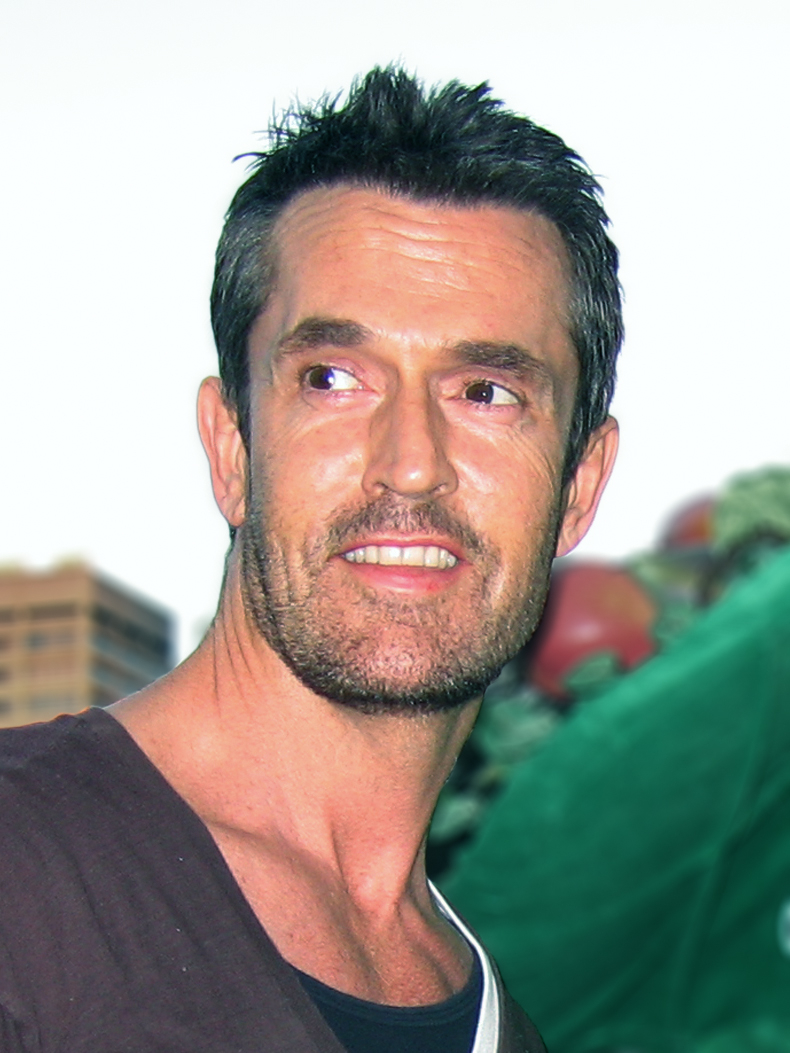

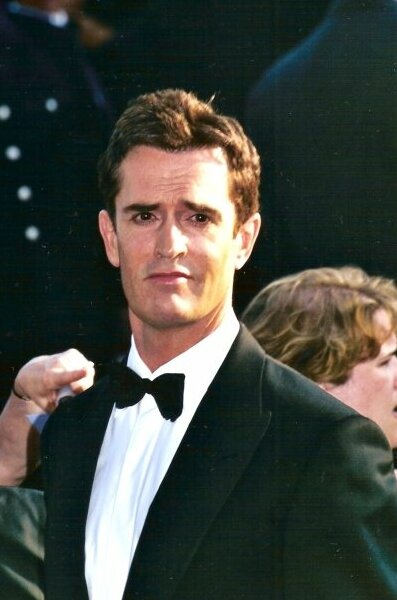
Early life and theatrical beginnings
Everett left formal schooling at a young age and moved to London to pursue performing. He has spoken candidly about difficult early years, which included periods of financial insecurity and risky choices while seeking work. After training was interrupted — he did not complete his course at the Central School of Speech and Drama — he found steady theatre work in other parts of Britain, including time spent in Scotland where he joined the company at the Citizens Theatre in Glasgow. That stage experience helped him develop a reputation for precise delivery and stagecraft.
Breakthrough: Another Country and early prominence
Everett first came to wide public attention through Julian Mitchell’s play and later film version of Another Country. The movie adaptation, credited in many accounts as a career turning point, presented Everett in a central role in which questions of class, loyalty and personal identity were central; the film version is often cited alongside the stage production in discussions of his rise. The film iteration, sometimes simply referred to as Another Country, attracted notice for its period setting and for portraying an openly homosexual student at an English public school, a role that marked Everett out for parts that engaged with social themes.
Film, television and later stage work
Following that breakthrough, Everett appeared in a mix of British and international films, moving between supporting and leading roles. He reached a broader international audience with appearances in romantic comedies and studio projects — among them widely seen ensemble films and comedies — and he has contributed voice work and character parts to animated sequels, including entries in the Shrek series and its sequels. Across film and television he has been noted for combining urbane delivery with a dry wit, and for choosing projects that mix satire with sentimental elements.
Writing, journalism and screenwriting
In addition to acting, Everett has pursued writing. He has contributed journalism and essays to publications such as Vanity Fair and The Guardian, discussing culture, film and personal reflections. He has also worked on film projects from the writer’s side, including a screenplay treatment concerning the later life of Oscar Wilde. His interest in literary figures and theatrical history recurs in interviews and longer pieces.
Personal life, memoir and public views
Everett published a memoir titled Red Carpets and Other Banana Skins which collects anecdotes, recollections and reflections on his life in the public eye; it received attention for its frankness about relationships and the pressures of celebrity. In that and other accounts he has discussed an affair with television presenter Paula Yates and has regularly commented on his sexuality in ways that resist simple labels — some sources describe him as bisexual, and he has said that a mixture of curiosity and circumstance shaped his private life. In interviews he has sometimes challenged mainstream assumptions about family and marriage; for example, he has voiced reservations about formalising relationships in the same way as traditional institutions, remarks which sparked conversation and debate when made on programmes such as one hosted by Jonathan Ross.
Legacy and notable facts
Everett’s career is notable for its combination of stage credibility and high-profile film work, alongside a public voice as a columnist and memoirist. He remains a figure who elicits interest both for his artistic choices and for candid commentary on fame, sexuality and the entertainment industry. He has at times courted controversy by expressing opposition to legal or social reforms such as same‑sex marriage, a stance that generated debate within both artistic and public spheres. Selected works and further reading can be found below.
Questions and answers
Q: What is Rupert Everett's full name?
A: Rupert James Hector Everett.
Q: What was the play and movie that made him famous?
A: He became famous when he appeared in Julian Mitchell's play and movie Another Country playing an openly homosexual student at an English public school in the 1930s.
Q: What other works has he been involved in?
A: He has since appeared in many other works, including My Best Friend's Wedding, The Next Best Thing and the Shrek sequels.
Q: How did Everett support himself when he left school at 16?
A: In order to support himself, he worked as a prostitute for drugs and money—he disclosed this information in an interview for US magazine in 1997.
Q: What did Everett do after being dismissed from Central School of Speech and Drama?
A: After being dismissed from the Central School of Speech and Drama, he travelled to Scotland and got a job at the Citizens Theatre in Glasgow.
Q: What writing work has Everett done recently?
A: In the 21st century, Everett has been writing. He has been a Vanity Fair contributing editor, has written for The Guardian and wrote a film screenplay on playwright Oscar Wilde's final years. In 2006 Everett published a memoir, Red Carpets and Other Banana Skins, in which he reveals his six-year affair with British television presenter Paula Yates.
Q: Has Everett ever described himself as bisexual or homosexual?
A: Although he is sometimes described as bisexual, as opposed to homosexual, he described his heterosexual affairs during a radio show with Jonathan Ross as the result of adventurousness "I was basically adventurous, I think I wanted to try everything".
Author
AlegsaOnline.com Rupert Everett: actor, writer and public figure Leandro Alegsa
URL: https://en.alegsaonline.com/art/130184